Fortress Windows
Fortress Windows
Fortress Windows
Engineering excellence serving residential, commercial, and hospitality developments in Manama, Riffa, and across the Kingdom of Bahrain.
The architectural skyline of the Kingdom of Bahrain requires fenestration systems capable of surviving extreme ambient environments. Characterized by high solar radiation, temperatures exceeding 48°C in summer, coastal salinity levels reaching up to 40‰, and persistent airborne dust/sand particles, the structural demands on windows are uncompromising.
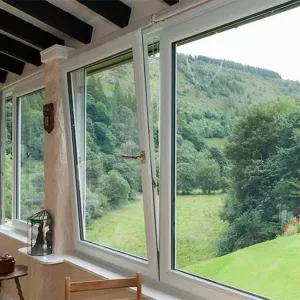
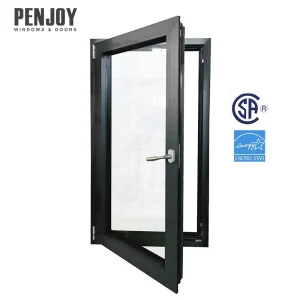
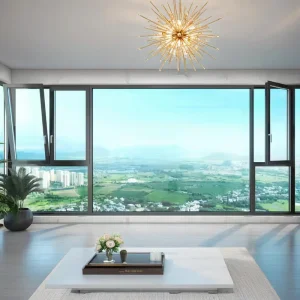
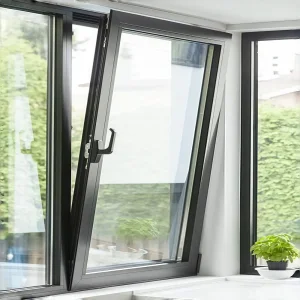
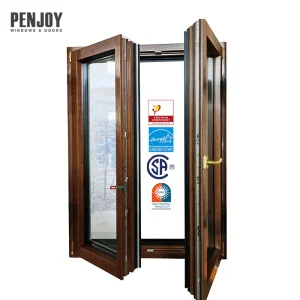
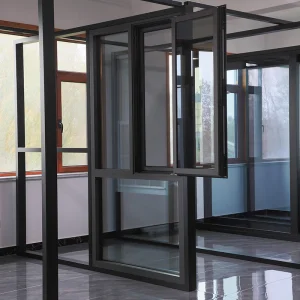
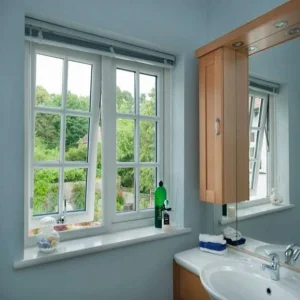
Historically, traditional sliding and casement systems have fallen short due to dust infiltration in sliding tracks and wind-induced hardware failures in top-hung units. Tilt-turn windows solve these regional challenges. Combining an inward-tilting mechanism for secure micro-ventilation with a side-hung swing mechanism for ease of cleaning and maximum airflow, this European-engineered profile is the premium standard for projects in Manama, Seef, and Amwaj Islands.
Unlike sliding windows that rely on dynamic felt brushes—which wear out rapidly under Bahrain's fine sand particles—tilt-turn windows compress heavy-duty EPDM multi-chamber gaskets around the frame perimeter. This creates an airtight seal that eliminates sand ingress, reduces HVAC workload, and improves interior air quality during summer dust storms.
For global developers sourcing fenestration systems for Bahrain, understanding local building regulations is critical. Our manufacturing plant adheres strictly to Gulf Building Codes (GSO) and the latest energy efficiency standards dictated by the Electricity & Water Authority (EWA).
In Bahrain, solar heat gain is the main driver of building energy consumption. To meet EWA specifications, our systems utilize advanced Thermal Break Technology. High-performance polyamide structural struts (PA66GF25) isolate the exterior aluminum frame from the interior. Combined with Double or Triple Glazed low-emissivity (Low-E) glass units containing argon gas, our systems achieve overall U-Values as low as 1.4 W/m²·K.
High-rise residential towers along the Manama waterfront must withstand severe wind loads. Our tilt-and-turn configurations feature multi-point locking hardware systems that pull the sash tight against the frame at 6 to 10 distinct locking nodes. This enables wind pressure resistance ratings up to Class C5 (EN 12210), resisting structural wind loads up to 3000 Pa.
| Performance Metric | Standard Testing Protocol | Typical Bahrain Architectural Requirement | Our Factory Specifications |
|---|---|---|---|
| Thermal Transmittance (Uf) | ISO 10077-2 | < 2.2 W/m²·K | 1.4 - 1.8 W/m²·K |
| Air Permeability | EN 1026 / EN 12207 | Class 3 | Class 4 (Highest Seal Capacity) |
| Water Tightness | EN 1027 / EN 12208 | Class 7A (300 Pa) | Class E900 (900 Pa Extreme Performance) |
| Acoustic Insulation (Rw) | EN ISO 717-1 | 35 dB - 40 dB | Up to 45 dB with Acoustic Glass |
| Anti-Corrosion Durability | ISO 9227 (Salt Spray) | 1000 hours minimum | Qualicoat Class 2 (Up to 3000 Hours) |
Salinity is highly destructive to metallic architectural elements. We use marine-grade T5 and T6 structural aluminum alloys. Our surface treatment options include specialized PVDF (Polyvinylidene Fluoride) coatings and Qualicoat Class 2 / Class 3 powder coatings. This prevents oxidation, chalking, and discoloration under high UV levels and coastal salt mist.
Managing procurement projects requires dependable logistics and transparent project management. As a leading manufacturer serving the GCC, we provide turnkey services from CAD/BIM drawing approval through to delivery at Khalifa Bin Salman Port (KBSP).
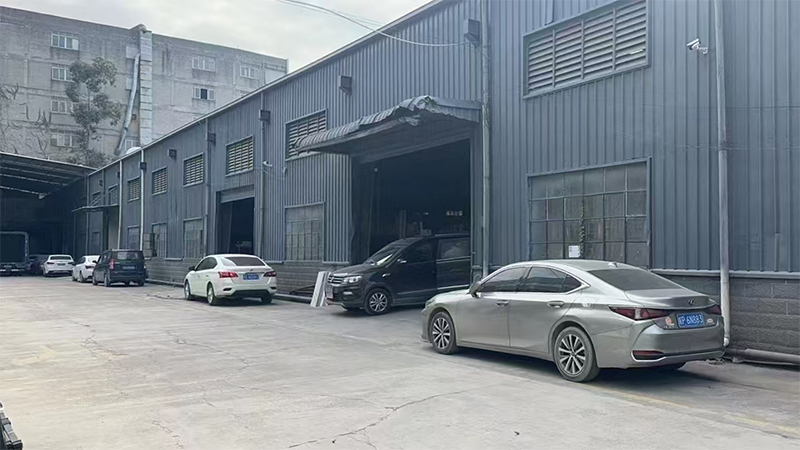
Operating through integrated state-of-the-art production facilities, Tianjin Fortress Doors and Windows Co., Ltd. and our joint brand partners specialize in high-quality architectural doors and windows. Our product ranges encompass solid wood systems, wood-plastic composites, and high-strength thermal break aluminum configurations. Equipped with advanced European machinery and expert technicians, we offer durable, eco-friendly, moisture-proof, and sound-insulated systems.
By leveraging our production capability, we implement brand-focused development under the service tenet of "highest quality, sincere service". We provide tailormade solutions designed to meet the demands of modern home fashion and commercial construction.
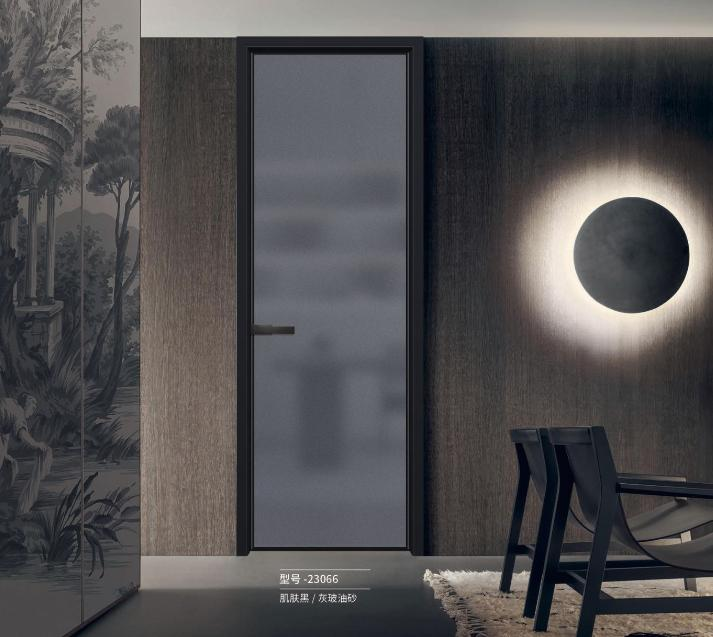
Select from our comprehensive list of tested tilt-turn, swing, and heavy-duty hurricane-impact window profiles.
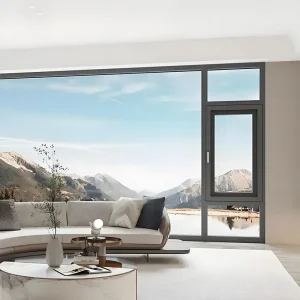
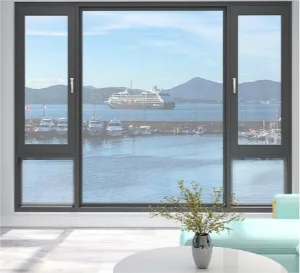
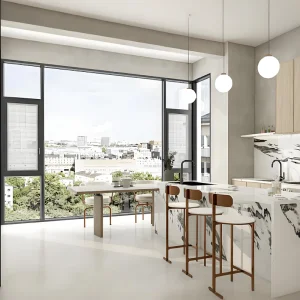
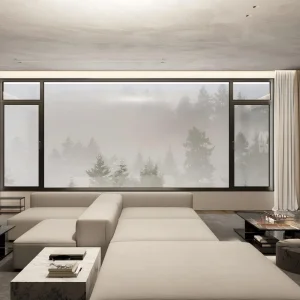
Whether designing luxury villas in Jasra or commercial office spaces in Seef District, selecting the correct glazing system affects both structural integrity and operating costs. Modern architecture in the Middle East has shifted away from massive concrete walls towards expansive glazed facades. While this maximizes natural light, it creates challenges for indoor temperature management.
Integrating tilt-turn windows allows designers to maintain modern, glass-dominant facades without compromising energy performance. The thermal performance benefits from incorporating state-of-the-art details:
Standard float glass allows significant infrared radiation to enter. Our double and triple glazed units feature microscopically thin metal oxide layers (Low-E coatings) that block radiant heat transfer while allowing visible light transmittance. This lowers the Solar Heat Gain Coefficient (SHGC) to under 0.25, keeping building interiors cool.
Aluminium is naturally conductive. To mitigate this, our structural profiles are designed with multi-chamber frame geometries. When combined with polyurethane foam-filled insulation chambers and glass fiber reinforced polyamide thermal barriers, our profiles minimize heat transfer, preventing condensation on indoor surfaces.
In skyscraper applications, high winds generate positive and negative pressure zones. Standard sliding windows can rattle or experience frame deflection, resulting in structural failures and water ingress during heavy rains. The structural composition of our tilt-turn systems compresses the sash against the frame when closed, reinforcing wind load capacity.
| Parameters | Standard Sliding Windows | Standard Casement Windows | Our Tilt & Turn Premium Systems |
|---|---|---|---|
| Airtight Seal Performance | Low (Felt Brush dependent) | Medium (Dual Compression) | High (Triple EPDM Gasket Compression) |
| HVAC Optimization Savings | 10% - 15% Reduction | 20% - 25% Reduction | 35% - 40% Reduction (EWA Compliant) |
| Acoustic Rating (dB) | 28 dB - 32 dB | 34 dB - 38 dB | 40 dB - 45 dB (Excellent for noisy urban areas) |
| Ease of Maintenance | Hard (Requires exterior access) | Hard (Requires exterior access) | Easy (Inward swing allows safe indoor cleaning) |
Ensuring quality throughout the supply chain requires careful attention to packaging and transport conditions. Exporting large architectural glazing components to the Middle East requires protective measures to prevent damage during transit.
Our logistics workflow includes several key steps:
Get in touch with our engineering team for technical drawings, U-value calculations, and customized quotes for the Bahrain market.
Send Inquiry Now