Fortress Windows
Fortress Windows
Fortress Windows
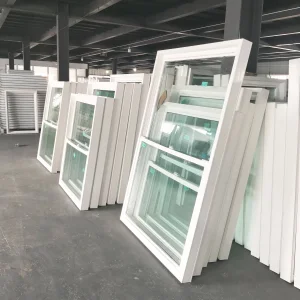
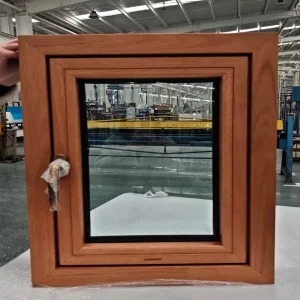
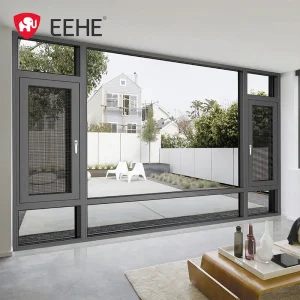
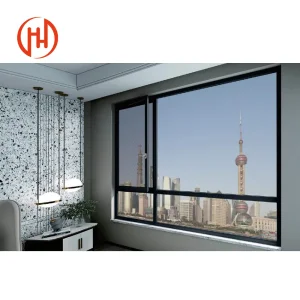
Explore our specialized range of high-efficiency soundproof configurations, double-glazed window units, and robust structural access systems engineered to mitigate ambient noise transfer.
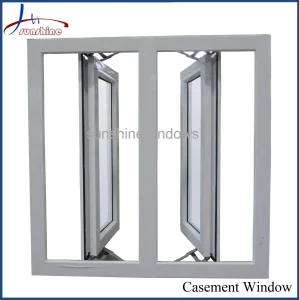
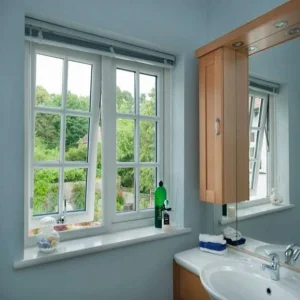
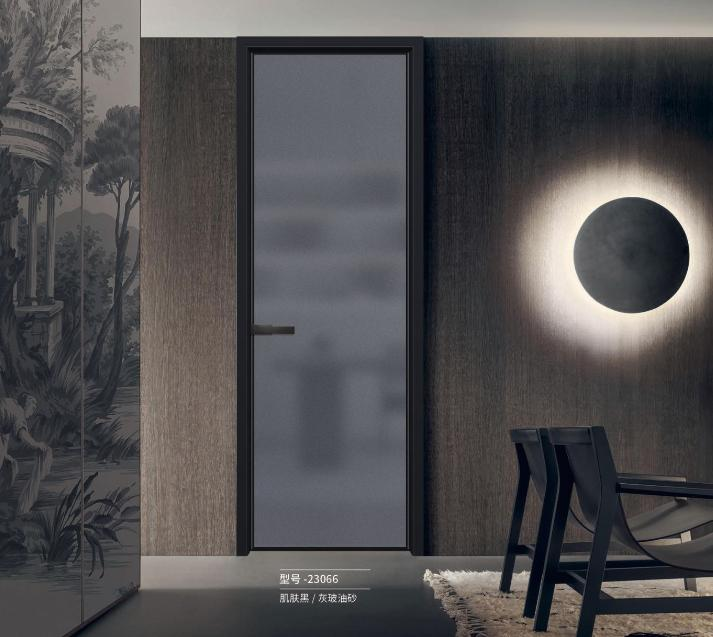
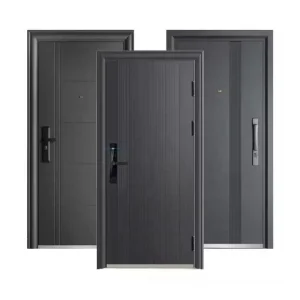
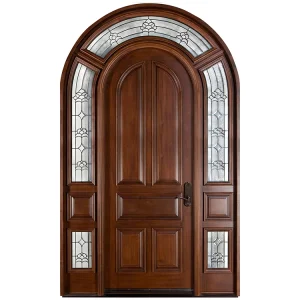
Tianjin Fortress Doors and Windows Co., Ltd. specializes in high-quality doors, structural partitions, and bespoke architectural elements. Our manufacturing capabilities encompass log doors, solid wood acoustic configurations, advanced carbon crystal panel systems, multi-layer high-density composite panels, and engineered wood plastic composites (WPC).
Equipped with advanced European machinery and a dedicated team of acoustic engineering technicians, we specialize in supplying eco-friendly, durable, moisture-resistant, and high-performance sound-insulated products. Tailored for commercial development, hotel infrastructure, and high-end residential estates globally, our products represent the convergence of modern acoustic science and sustainable structural design.
In modern architecture, open-plan workspaces have redefined interaction and spatial utility. However, this shift has brought a major challenge: acoustic distraction. Studies indicate that corporate employees lose up to 86 minutes of productivity daily due to ambient noise disruptions. Consequently, the demand for engineered interior sound barriers has escalated, moving from a niche architectural choice to an essential commercial specification.
From a regulatory standpoint, developers, design-build firms, and facility owners must comply with local code provisions, green building frameworks, and worker safety criteria. High-performance sound mitigation is crucial under green certifications like LEED (Leadership in Energy and Environmental Design) and the WELL Building Standard, which prioritize indoor environmental quality (IEQ) and occupant comfort. In addition, privacy protocols under the HIPAA (Health Insurance Portability and Accountability Act) in medical contexts, alongside security requirements for executive workspaces, demand certified sound reduction performance.
Acoustic performance in building partitions is quantified by STC (Sound Transmission Class) in North America, and Rw (Weighted Sound Reduction Index) in Europe and ISO frameworks. An office partition system's acoustic performance is only as strong as its weakest point—which is often the door assembly.
Selecting the correct acoustic rating for office doors requires understanding decibel attenuation targets. Every 10 dB drop in sound transmission reduces the perceived loudness by approximately half. The table below outlines how different sound insulation levels perform in commercial settings:
Standard hollow-core wooden doors lack the mass and dampening properties to block sound waves, typically yielding a low STC rating of 15 to 20. High-performance acoustic office doors require specialized, multi-layered core compositions:
By sandwiching materials of varying densities, soundwaves are forced to pass through different mediums. The transition between high-mass materials (such as dense mineral wool, acoustic gypsum boards, or heavy wood composites) and dampening elastomers disperses sound energy as heat, preventing resonance.
Advanced polymers like Wood-Plastic Composites (WPC) and carbon crystal panel surfaces offer excellent dimensional stability. These materials resist structural warping from changes in humidity, ensuring a tight seal against the frame over time. They also provide the structural mass needed for effective sound insulation.
Even a tiny gap of 1% in a door's surface area can let through up to 50% of sound energy. High-quality acoustic assemblies use multi-point perimeter seals and automatic mechanical drop seals that lower into place when the door is closed, sealing the gap between the door and the floor.
As a leading custom OEM acoustic office doors supplier, Tianjin Fortress Doors and Windows Co., Ltd. helps architects, builders, and developers specify and build systems to meet their exact project goals.
We configure solid wood, carbon crystal, multi-layer engineered panels, and WPC cores to hit target STC levels from 30 to over 48 dB.
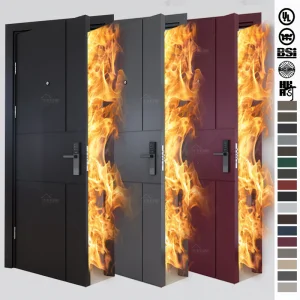
We combine acoustic attenuation with fire protection. Our composite doors offer up to 90-minute fire ratings, compliant with global commercial safety codes.
Our facility uses European CNC tooling, automated edge-banding machinery, and precision spraying lines to guarantee tight tolerances down to 0.5mm.
Our 3000m² factory in China delivers significant supply chain advantages. By using automated processes, sourcing raw materials locally, and utilizing advanced manufacturing tech, we keep costs competitive without compromising quality. We provide complete pre-hung systems—including matched frames, seals, and hardware prep—to reduce on-site installation time and labor costs globally.
Procuring large quantities of acoustic doors requires close attention to detail. We work directly with procurement officers, estimators, and developers to ensure smooth project delivery:
Technical answers to help architects, engineers, and buyers specify acoustic doors correctly.
Standard interior doors are often hollow-core or made of low-density fiberboard, letting noise pass through easily. Certified acoustic doors use layered, high-density cores (such as solid timber, acoustic mineral boards, and dense polymers) along with specialized compression seals around the frame to block and absorb sound waves.
Sound behaves like water; it will leak through any open path. The largest gap in any door is usually at the bottom. An automatic mechanical drop seal drops down to seal this gap when the door closes, preventing sound leakage and ensuring the door achieves its rated STC level.
We use European imported CNC machinery to ensure precise sizing and routing. Every production batch is inspected for thickness, structural flatness, and seal alignment to guarantee that all delivered systems match the required architectural specifications.
Yes, we offer complete OEM customization. We provide wood veneers, high-pressure laminates (HPL), carbon crystal panels, and custom paint finishes. Doors can also be pre-cut to accommodate specific locks, handles, card readers, and other commercial hardware.
Lead times generally range from 25 to 40 days, depending on the complexity of the custom order and batch size. Shipping times vary by destination port, and we provide end-to-end tracking for all international deliveries.
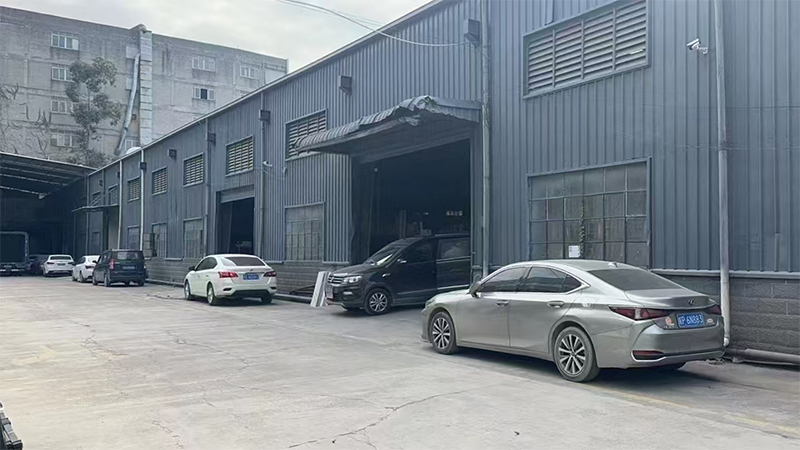
Our brand development strategy is built on our core philosophy: "highest quality, sincere service." We combine modern design concepts with advanced machinery to manufacture high-performance doors that stand up to daily use in busy commercial environments.
We work closely with structural engineers, project designers, and quality inspectors to ensure every system meets key performance criteria. By optimizing our manufacturing processes and keeping material waste low, we supply high-quality, cost-effective doors for contemporary workspaces around the world.
Explore our technical hardware systems, security-rated configurations, and composite window systems built for commercial environments.