Fortress Windows
Fortress Windows
Fortress Windows
Engineered core systems and custom protective finishes suited to combat high-humidity conditions in the Gilbert and Line Islands.
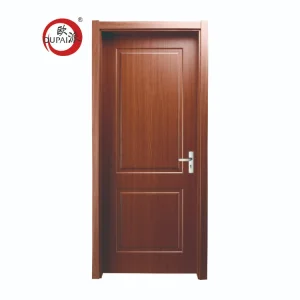
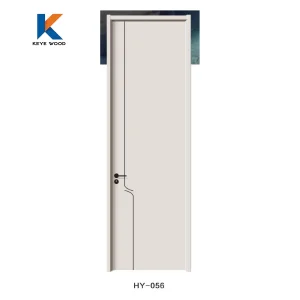
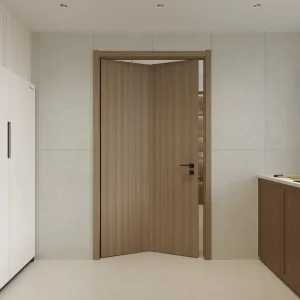
Kiribati, a nation consisting of 32 atolls and one raised coral island spanning across the equator, presents a highly unique set of challenges for construction materials, particularly wooden products. For local developers, government agencies, and resort builders in South Tarawa, Betio, and Kiritimati, importing interior doors requires a strategic focus on durability, wood stabilization, and protective barrier coatings.
The Marine Atmospheric Attack: With relative atmospheric humidity hovering consistently between 75% and 90% year-round, and ambient salt air loaded with corrosive sodium chloride, standard untreated lumber or poor-quality fiberboard (MDF/HDF) panels will experience rapid moisture intake. This leads to swelling, core delamination, structural warping, and hardware oxidation within months of installation.
To establish long-term reliability, architectural project managers in Kiribati are shifting from traditional raw solid timber doors to advanced Wood-Plastic Composites (WPC) and multi-layered engineered composite cores. These materials minimize the moisture expansion coefficient while offering excellent resistance against subterranean termites, which are highly active in Pacific coastal soils.
Tailored doors engineered with reinforced inner cores, sound mitigation layers, and anti-warping stabilizers.
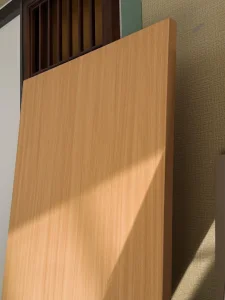
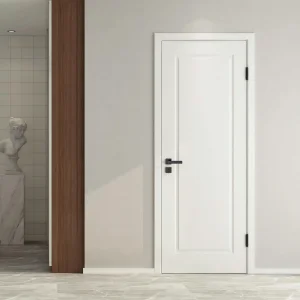
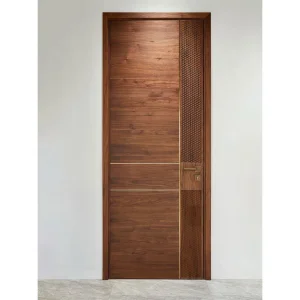
Understanding structural compositions allows engineers to specify the correct interior door class for long-term service.
Wood-Plastic Composite (WPC) structures blend high-density polymers with natural wood fibers. The resulting hybrid matrix provides 100% moisture barrier properties, eliminating water absorption and fungal growth, which is critical in coastal developments throughout Kiribati.
Laminated Veneer Lumber (LVL) cross-banded configurations balance internal structural stresses. LVL framing prevents the door leaf from twisting, bending, or bowing when exposed to temperature differentials between air-conditioned interiors and humid exteriors.
Using polyurethane (PUR) hot-melt adhesive systems provides an exceptionally strong bond resistant to moisture, high temperatures, and chemical exposures. This ensures edge banding remains intact and does not peel off over time in ocean climates.
Selecting the appropriate core and skin composite structure determines the ultimate service lifespan of an interior door in Kiribati. The following technical comparison details performance attributes under extreme tropical marine conditions:
| Door Core / Surface Type | Moisture Resistance | Termite & Rot Defense | Structural Stability (Anti-Wrap) | Typical Applications (Kiribati) |
|---|---|---|---|---|
| Wood-Plastic Composite (WPC) | Exceptional (100% Waterproof) | Immune to Biodegradation | High Dimensional Stability | Bathrooms, Kitchens, High-Moisture Rooms |
| Solid Core Engineered LVL | Moderate-High (Sealed Finish) | Requires Chemical Treatment | Excellent Longitudinal Resistance | Hotel Main Entrances, Office Suite Doors |
| Carbon Crystal Panel | High (Hydrophobic Overlays) | Excellent Resistance | Very High (Metallic Polymer Core) | Modern Commercial Offices, Classrooms |
| Hollow Core MDF/HDF | Moderate (Requires Edge Seal) | Requires Pre-Treatment | Good (For Standard Living Areas) | Budget Housing Bedrooms, Guest Closets |
Years of Manufacturing Excellence
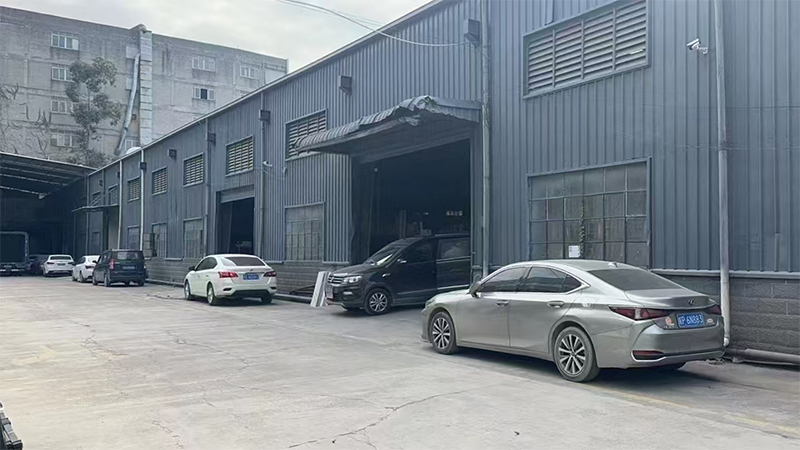
State-of-the-Art Plant Area
Global Industrial Partners
Active Logistics & Technical Support
Ensuring cargo integrity over long shipping routes from Asian production facilities to the Port of Betio, Tarawa.
One of the primary concerns for purchasing directors sourcing doors for Kiribati is shipping safety. The transit duration from Chinese ports to South Tarawa can range from 30 to 45 days, requiring multi-layered protection protocols to protect the load inside shipping containers.
Advanced Container Preservation Protocols: To prevent moisture buildup inside containers during transit across equatorial waters, we implement strict packaging standards:
By using these shipping techniques, we ensure that every wooden interior door reaches Kiribati in optimal condition, flat, dry, and ready for immediate on-site installation.
Explore our comprehensive range of high-performance internal doors for commercial, multi-residential, and resort projects.
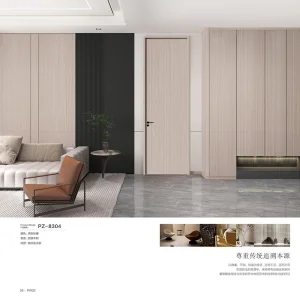
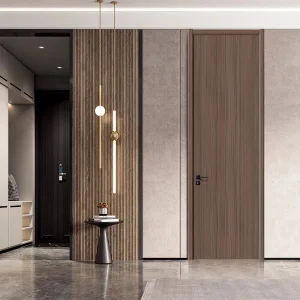
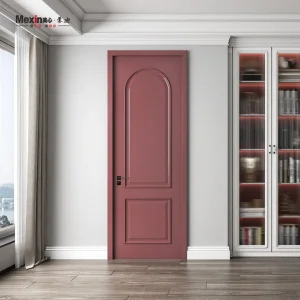
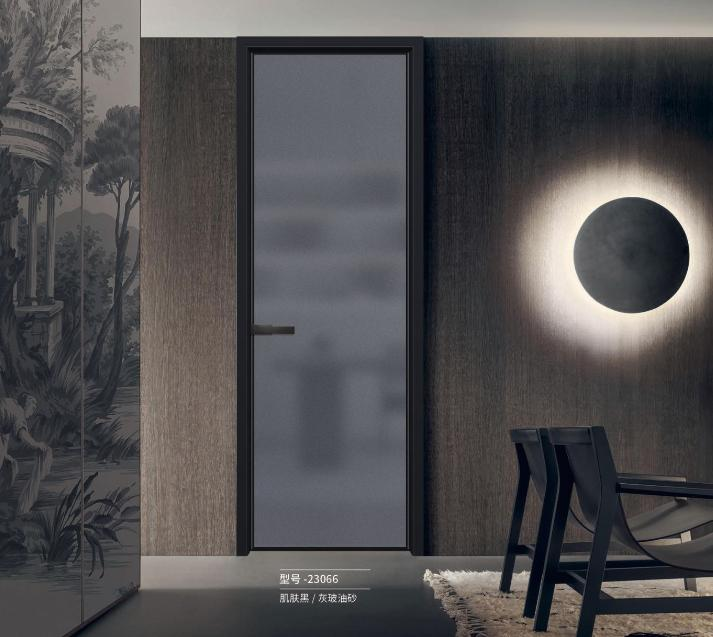
Tianjin Fortress Doors and Windows Co., Ltd. is a leading manufacturer specializing in high-performance door systems. Our comprehensive line includes original wood doors, engineered solid core wood doors, carbon crystal panels, multi-layer composite structures, and wood-plastic composite (WPC) doors. We provide tailored solutions to builders and distributors worldwide, with specialized options developed for high-humidity coastal zones like the Pacific Islands.
Equipped with advanced European precision machinery and utilizing computerized CNC cutting and edge-banding technology, our manufacturing facility operates to ISO 9001 and environmental protection standards. Our production methods ensure dimensional consistency, tight edge sealing, and durable finishes, allowing us to supply large-scale hospitality, healthcare, residential, and institutional developments.
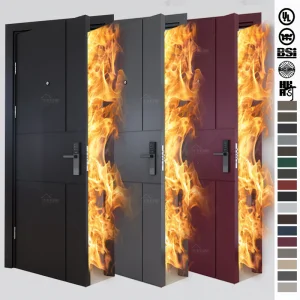
Through our dedicated R&D division, we continuously refine moisture barrier coatings, structural stability, and fire retardant properties. Partnering with Tianjin Fortress guarantees reliable sourcing, direct factory pricing, and comprehensive quality assurance for demanding building projects.
A step-by-step framework to ensure seamless door supply cycles from initial factory design to final installation.
Provide wall opening dimensions, wall thickness, and opening direction requirements. Our technical team generates shop drawings, adjusting core composition and moisture seal parameters to match Kiribati's coastal conditions.
Specify grade 304 or 316 stainless steel hinges, locks, and handles to prevent rust. We can pre-drill and pre-cut lock mortises during production, ensuring clean fitment and minimizing on-site adjustments.
Our export documentation matches customs requirements at the Port of Betio, Tarawa. We provide Certificates of Origin, detailed commercial invoices, packing lists, and certified test reports (AS/NZS or equivalent).
Addressing engineering, logistic, and installation concerns for wooden interior door imports in Kiribati.