Fortress Windows
Fortress Windows
Fortress Windows
Engineered premium systems tailored to resist heat transmission, wind load, and Saharan sand intrusion.
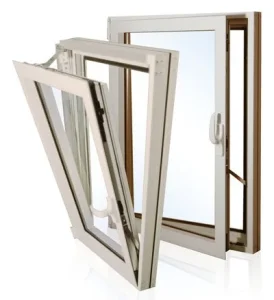
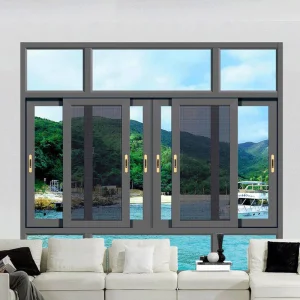
The Libyan construction sector is undergoing a profound phase of structural revitalization and modernization. As urban environments in cities like Tripoli, Benghazi, Misrata, and Tobruk expand, architectural requirements are pivoting from basic structures to complex, energy-efficient, and long-lasting facades. One of the most critical elements in this transition is the specification of architectural aluminum windows and doors.
Unlike temperate zones, Libya's geography introduces severe atmospheric parameters. The coastal regions encounter extreme humidity, high salinity from the Mediterranean Sea, and corrosive ambient environments. Conversely, the inland and southern regions face hyper-arid desert conditions characterized by dramatic thermal fluctuations (exceeding 45°C during the day and falling rapidly at night) and the scouring effects of the Ghibli wind—a hot, dry sandstorm carrying high-velocity abrasive particles.
To ensure structural longevity and reduce cooling system energy loads, building envelopes in Libya must satisfy stringent engineering benchmarks:
Chinese manufacturers represent a critical supply partner for the Libyan reconstruction program. By integrating vertical supply chains—from bauxite extraction and billet casting to custom die extrusion, surface treatment, and precision hardware assembly—China-based factories deliver world-class aluminum window systems at optimized cost structures. Tianjin Fortress Doors and Windows Co., Ltd., in alignment with cutting-edge production partners, implements advanced CNC machinery and European spraying systems to guarantee architectural systems that perfectly suit the Middle East and North Africa (MENA) regulatory and climatic frameworks.
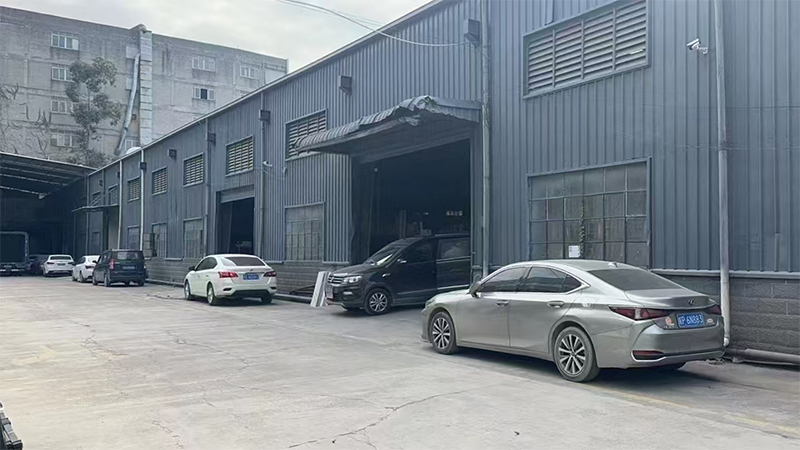
Tianjin Fortress Doors and Windows Co., Ltd. specializes in high-quality architectural structural components including engineered doors (log, solid wood, carbon crystal panels, multi-layer panels, and wood plastic composite options) alongside state-of-the-art aluminum fenestration systems. Utilizing advanced European-imported processing machinery and precision technical staff, our plants offer eco-friendly, durable, moisture-proof, and sound-insulated architectural systems.
Through our strategic integration with high-end aluminum fabrication facilities like Foshan Dransdy Door & Window Co., Ltd., we serve international commercial construction grids, offering customizable solutions tailored to withstand extreme thermal conditions. Adhering to the service tenet of "highest quality, sincere service," we work to create a new fashion for 21st-century architectural projects.
Libyan architectural configurations vary depending on regional geography. The coastal belt relies on high-density residential apartments and glass curtain-wall office complexes, whereas inland regions depend on low-rise residences and industrial complexes. The following three scenarios represent typical installations of our aluminum window solutions:
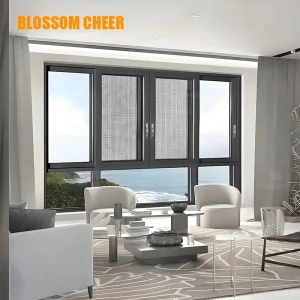
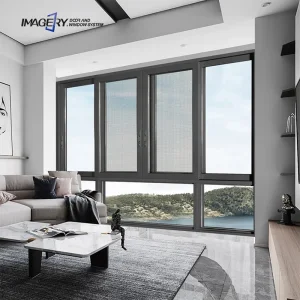
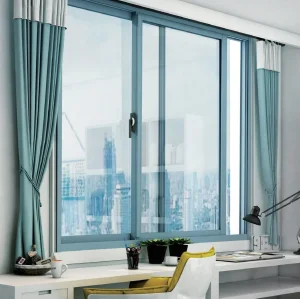
Residential architecture in coastal cities requires corrosion-resistant frame treatments like PVDF or deep anodization. Sliding patio doors and outward casements must resist highly humid atmospheres. By integrating multi-point security locks and thick double-glazed tempered glass, these systems insulate residences from high ambient noise and prevent micro-fissure damage from salt crystallization.
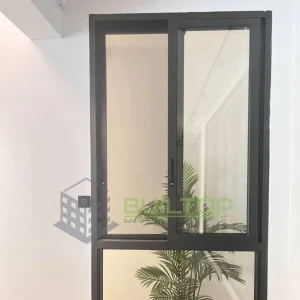
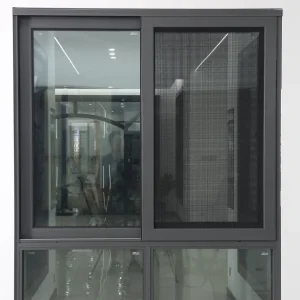
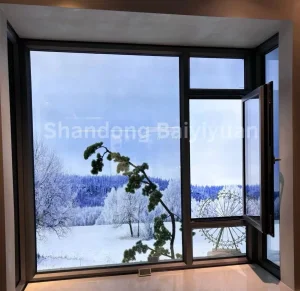
Inland construction demands maximum thermal performance. High-performance thermal break windows with internal mosquito netting and dust seals prevent microscopic desert sand from entering spaces. Awning louvres are frequently integrated into these setups to direct internal airflow while shielding interiors from direct solar radiation.
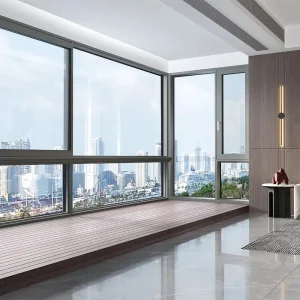
Modern administrative and commercial structures in central Tripoli require structural glass facades and large-span window configurations. Wind-resistant systems featuring heavy-duty 2.0mm profile thicknesses are mandatory to support structural integrity against oceanic wind shear, combined with energy-saving low-emissivity (Low-E) glass to optimize interior HVAC loads.
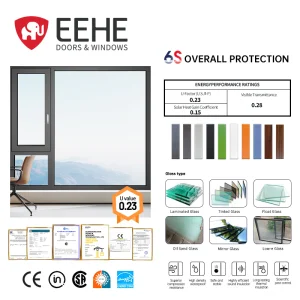
Procurement departments sourcing aluminum window profiles for Libyan public bids or private commercial contracts must evaluate specific engineering indicators during factory auditing:
Integrating low-emissivity (Low-E) coatings block up to 70% of infrared radiation and solar heat while transmitting visible light. In hot Mediterranean and desert zones like Libya, this translates to an estimated 25-30% reduction in monthly cooling expenses.
Essential insights for procurement managers and contractors coordinating project installations in Libya.
Engineered window systems for custom residential renovations, coastal developments, and commercial high-rises.