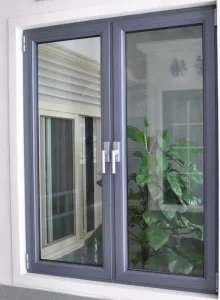
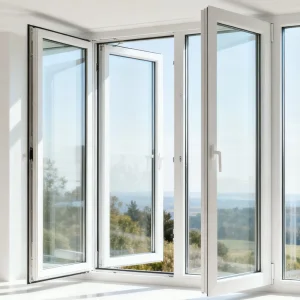
Fortress Windows
Fortress Windows
Fortress Windows
Explore our state-of-the-art aluminum, steel, and timber fenestration solutions integrated with thermal break technologies.
In modern architecture, fenestration design represents the front line of thermal envelope engineering. Historically, commercial and residential windows relied on traditional aluminum spacers to separate glass panes within Insulated Glass Units (IGUs). However, because aluminum is highly conductive, it creates a thermal bridge at the window edge. This bridging effect accelerates thermal exchange, leading to condensation, compromised energy efficiency, and localized structural failure.
Warm Edge Spacer Technology changes this dynamic entirely. By utilizing low-conductivity materials—such as structural foam, stainless steel composite matrices, or thermoplastic elastomers—warm edge spacers minimize the linear thermal transmittance ($\Psi$-value) around the perimeter of the glazing unit. This design ensures that the interior edge of the glass remains significantly warmer during winter and cooler during summer, optimizing overall energy conservation and indoor air quality.
To understand the performance leaps achieved by OEM warm edge spacer windows compared to conventional aluminum spacer setups, review the comparative matrix below:
| Performance Metric | Conventional Aluminum Spacers | Advanced Warm Edge Spacers | Thermal Improvement (%) |
|---|---|---|---|
| Linear Thermal Transmittance ($\Psi$-value) | 0.060 - 0.080 W/mK | 0.028 - 0.038 W/mK | Up to 50% Reduction |
| Edge of Glass Temperature (At -10°C Ambient) | approx. 5.2°C | approx. 11.4°C | Significant Comfort Gain |
| Argon Gas Retention Rate (EN 1279-3) | < 90% over 10 years | > 99% over 25 years | Over 10% Lifetime Gain |
| Condensation Resistance Index | Low (Frequent at >45% RH) | High (Resistant up to 70% RH) | Mitigates Mold Risks |
Strict energy efficiency codes like the European Energy Performance of Buildings Directive (EPBD) and North American Energy Star standards require windows to meet lower total U-values. Warm edge spacers are critical to satisfying these demands.
Condensation on window perimeters ruins wooden window frames, rusts metal hinges, and creates unhealthy black mold. Warm edge spacers dramatically increase perimeter temperatures, stopping condensation before it forms.
By using flexible silicone foam or multi-layer composite structures, these spacers act as physical dampers. They reduce external noise intrusion (like traffic and wind) and improve the overall sound transmission class (STC) of the home.
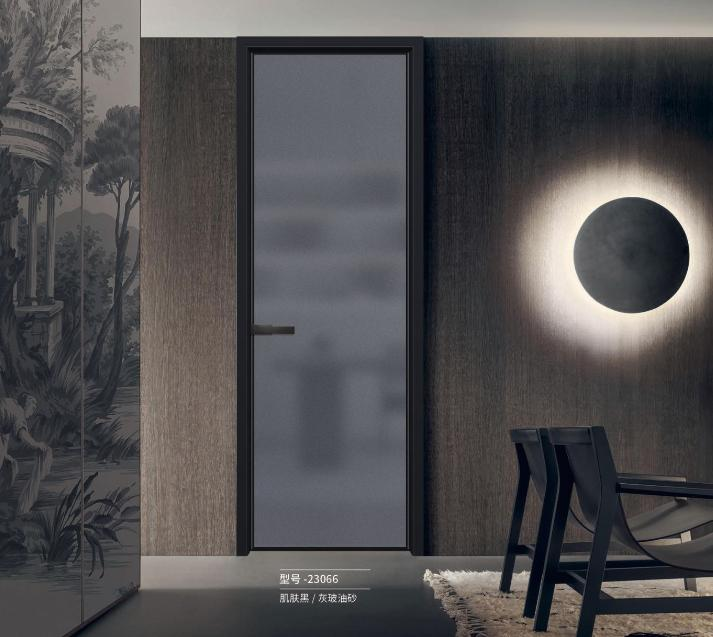
Tianjin Fortress Doors and Windows Co., Ltd. is a leading manufacturer specializing in premium architectural window systems. Our comprehensive product lineup includes log, solid wood, carbon crystal panel, multi-layer panel, and wood plastic doors, alongside high-performance insulated glass units featuring warm edge spacer configurations. Utilizing advanced European equipment and skilled technicians, we deliver environmentally friendly, durable, moisture-proof, and sound-insulated solutions tailored for modern home fashion.
Through our close collaboration with Foshan Dransdy Door & Window Co., Ltd., we expand our production capacities to serve global markets. Our structural products employ advanced spraying technology, custom extrusion lines, and rigorous QC protocols. This ensures every project meets top standards of energy efficiency, structural integrity, and architectural design.
For international buyers, developers, and facade engineers, choosing the right warm edge spacer window involves looking at the entire system, not just the components. At Tianjin Fortress Doors and Windows Co., Ltd., our OEM and ODM manufacturing processes are designed to address regional regulations and weather demands:
By leveraging custom profile designs, such as our broken-bridge aluminum alloys and hybrid timber frames, we help architectural projects achieve Passive House standards. This reduces the mechanical heating and cooling loads of modern buildings.
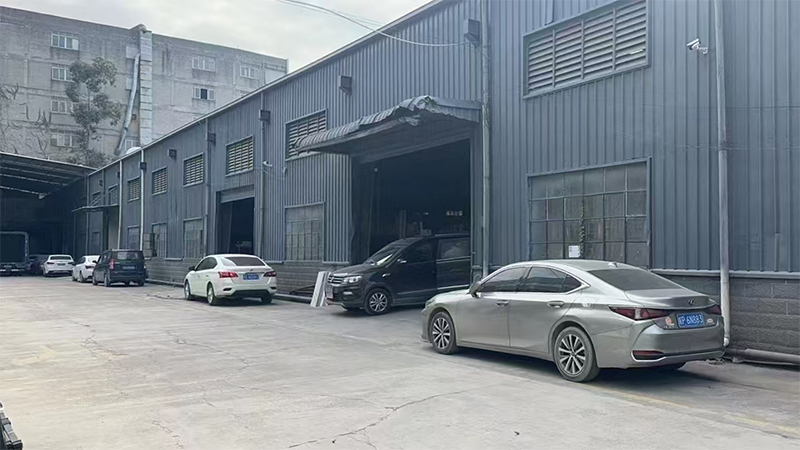
Our state-of-the-art facilities rely on a complete set of European imported equipment. This precision-driven approach guarantees exact tolerances when cutting profiles, pressing double and triple-glazed units, and applying structural coatings. Standardized automated assembly lines allow us to maintain a defect rate near zero. Whether you need a simple casement window or complex panoramic fold-and-slide doors, we ensure every product delivers premium durability and acoustic insulation.
As the construction industry transitions toward net-zero buildings, warm edge technology is evolving to meet even higher demands. The future of high-performance glazing centers on three main technological shifts:
Technical clarifications on performance parameters, OEM manufacturing, and ordering warm edge spacer window systems.
Warm edge spacers are made from low-conductivity materials like composite plastics, structural foams, or stainless steel mixes, which slow down heat flow at the glass edge. Traditional aluminum spacers act as thermal bridges, causing heat loss and condensation. Warm edge technology improves edge-of-glass temperatures by up to 65%, boosting energy efficiency and protecting frames from moisture damage.
Yes, Tianjin Fortress is a complete OEM and ODM provider. We manufacture custom aluminum window extrusions, wooden frames, and hardware layouts to match specific building designs. Our automated processing systems allow us to adjust glass sizes, pane thicknesses, gas-fill options (argon/krypton), and spacer profiles to meet precise project requirements.
Condensation forms when moist indoor air hits cold window glass. Because warm edge spacers reduce thermal bridging, the interior edge of the glass stays warmer. This prevents moisture from condensing, which stops the growth of black mold and keeps indoor spaces healthier.
Our dual-seal insulated glass units feature a primary polyisobutylene seal and a secondary structural sealant. This design keeps argon gas leakage under 1% per year, exceeding EN 1279-3 standards. Under normal conditions, these systems maintain high thermal efficiency for over 25 years.
Our production lines follow ISO 9001 quality guidelines. Depending on project needs, we supply products certified to EN 1279, CE, and matching ASTM test requirements. This gives building inspectors and certification agencies complete confidence in our materials.
Explore our full line of residential and commercial architectural products, from security systems to automated entryways.