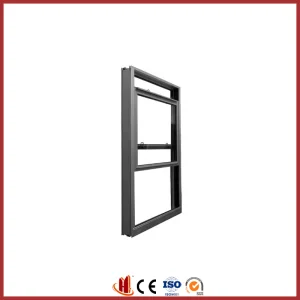
Fortress Windows
Fortress Windows
Fortress Windows
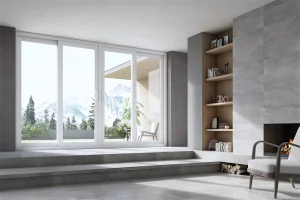
Premium quality custom manufactured doors and windows integrated with manual and magnetic shutter technology, built to international durability and architectural specifications.
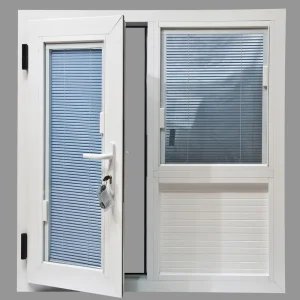
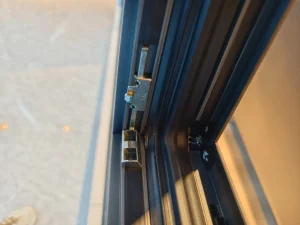
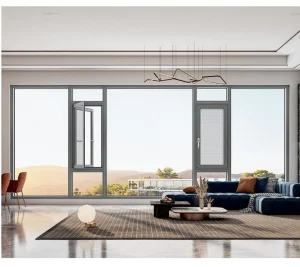
Under the microscope: why architectural specifications are shifting rapidly from traditional external blinds to integrated magnetic louvers.
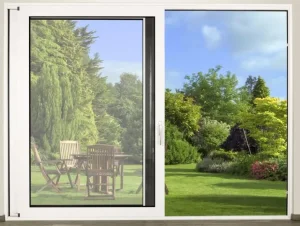
Integrated magnetic blind glass doors represent a pinnacle of structural physics and materials science. Traditional motorized or corded blinds within glass suffer from seal leakage, leading to gas depressurization, condensation, and mechanical fatigue. Our advanced systems employ rare-earth Neodymium permanent magnets (NdFeB) inside and outside the hermetically sealed Insulated Glass Unit (IGU). By transmitting linear slide and tilt force vector fields through glass panels without direct mechanical penetration, we ensure the absolute preservation of the gas cavity.
The internal blinds, manufactured from high-tensile 0.16mm-0.21mm structural aluminum alloy, are suspended in an inert gas chamber (typically filled with 90%+ pure Argon). Because the coupling force exceeds 45 Newtons, operators experience zero slippage or mechanical lag, maintaining smooth raising, lowering, and tilting functionality over a projected 25-year service life cycle.
For modern commercial facades and residential villas, reducing the Solar Heat Gain Coefficient (SHGC) is paramount to energy compliance. Standard double-glazed glass units allow solar radiation to pass directly into interior spaces, placing a heavy load on HVAC infrastructure. With integrated magnetic blinds, the dynamic controls allow users to adapt to diurnal changes:
Dual-magnet drive design removes internal cords or holes, maintaining the primary polyisobutylene (PIB) seal to completely block moisture intrusion.
Engineered with polyolefin thermal barrier strips, isolating interior and exterior surfaces to eliminate structural thermal bridging.
Reduces low and mid-frequency noise transmission by utilizing varying glass thicknesses combined with double-sealed soundproof gas cavities.
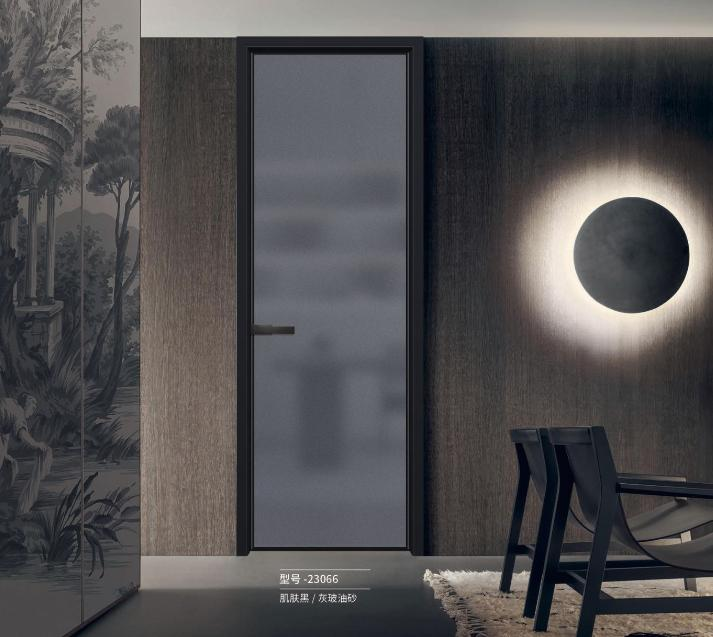
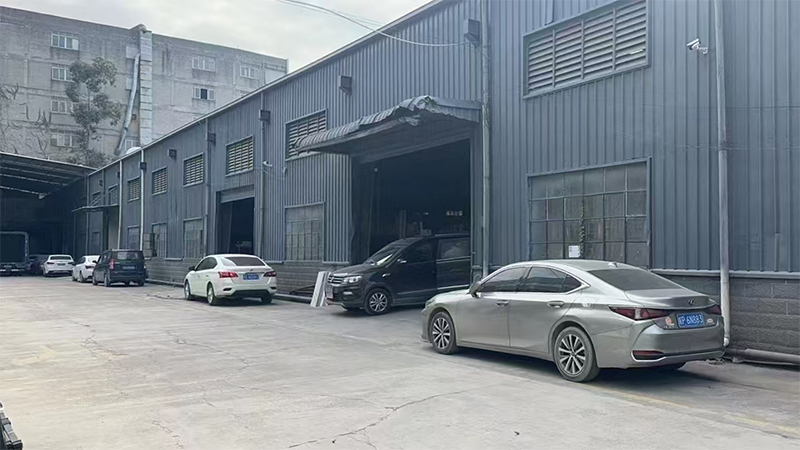
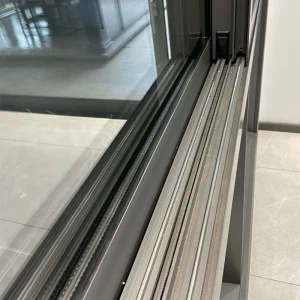
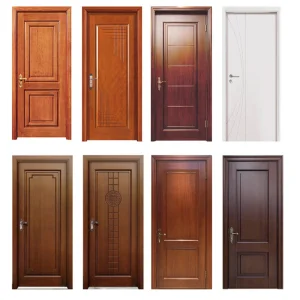
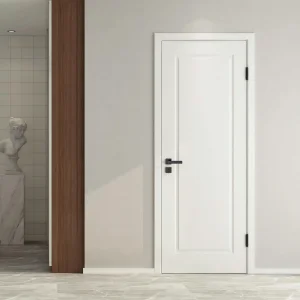
As a premier consortium of architectural window and door production in China, we integrate advanced European engineering design with localized supply chain efficiency. Our state-of-the-art manufacturing centers specialize in highly tailored, premium solutions including log doors, solid wood doors, carbon crystal panels, multi-layer composite structures, wood-plastic components, and high-specification aluminum alloy systems featuring integrated magnetic shutters.
Adhering strictly to a rigorous quality control framework and meticulous after-sales service systems, our products feature outstanding durability, moisture resistance, anti-fading treatments, and acoustic dampening. Utilizing advanced electrostatic spraying technologies and premium imported machinery, we create functional aesthetics tailored specifically for global architecture in the 21st century.
How China’s integrated logistics and material clusters provide unmatched value, performance, and scalability for global contractors.
The localized proximity of raw float glass production facilities (such as Xinyi Glass and Southern Glass Group) alongside leading precision aluminum extruders in Southern and Northern China provides us with immediate access to premium materials. By reducing transport distances, we eliminate freight damage, minimize raw material oxidation risks, and guarantee structural flatness. From high-grade 6063-T5 aluminum extrusions to ultra-clear low-iron float glass, our integrated supply chain controls mechanical tolerances to within ±0.2mm.
Moisture and volatile organic compound (VOC) residues inside the glass cavity are the primary causes of premature IGU fogging. Our production lines resolve this through the use of Class 1000 cleanroom environments. Automated CNC glass washers, desiccant filling machines, primary butyl extrusion lines, and secondary silicone sealing robots function under tightly controlled humidity conditions (below 20% relative humidity). This guarantees that the dew point within our magnetic blind systems remains below -60°C throughout their operational life.
To match diverse architectural schemes, our factories offer extensive surface customization. Our architectural coatings include fluorocarbon (PVDF) spraying (ideal for harsh coastal environments with high salt spray exposure) and powder coating from AkzoNobel. This ensures superior resistance to UV radiation, scratches, and color fading over decades of exposure.
5mm+19A+5mm standard; Options for laminated safety glass, triple glazing, ultra-clear low-iron glass, and customizable Low-E coatings on surfaces #2 or #3.
Tested through 50,000 continuous lift-and-tilt cycles without loss of magnetic coupling torque or guide channel wear.
Dual-seal technology featuring Polyisobutylene (PIB) primary sealant and structural silicone secondary sealant, compliant with ASTM E2190 standards.
U-value configurations reaching down to 1.6 W/m²K (with Argon filling) and acoustic sound insulation ratings up to STC 40.
From corporate environments to healthcare facilities, explore how integrated magnetic glass doors address key design challenges.
Traditional blinds accumulate dust, allergens, and pathogens, presenting high infection control risks. Integrated magnetic blinds permanently seal the slats within the glass panel. This creates a highly clean, wipe-down surface that eliminates hospital-acquired infection (HAI) vectors, making it ideal for operating rooms and patient wards.
Create modern, dynamic workspaces. Integrated blinds allow instant privacy transitions for conference rooms, executive suites, and collaborative zones. The magnetic slider controls light levels and reflections on presentation monitors without cords or electrical wiring, ensuring clean architectural aesthetics.
Ideal for modern high-end homes and villas. Standard sliding doors with exterior curtains suffer from dust build-up and damage from pets or children. Integrated blinds remain safe within the glass, providing an unobstructed view when open, and clean, low-maintenance shade when closed.
In the face of tightening green building codes worldwide—such as Europe’s EPBD directive and North America’s ASHRAE energy performance guidelines—building envelopes must optimize performance. Integrated blinds directly assist project developers in acquiring LEED (Leadership in Energy and Environmental Design) credits.
By optimizing natural daylighting while avoiding solar heat spikes, building envelopes can utilize larger glazed areas without oversized cooling systems. In addition, the long service life of internal blinds minimizes lifecycle material waste, supporting circular economy and sustainable building practices.
A professional guide to quality control, validation standards, and transport protection when importing from China.
For international developers, engineering firms, and wholesale distributors, sourcing building materials from China requires strict verification protocols. To ensure product performance and long-term durability, we recommend focusing on the following technical checklists:
Insulating glass units containing internal mechanical parts require careful protection during maritime transport. To ensure your products arrive in perfect condition, we utilize the following packing standards:
Technical answers to key questions asked by architects, contractors, and project managers.
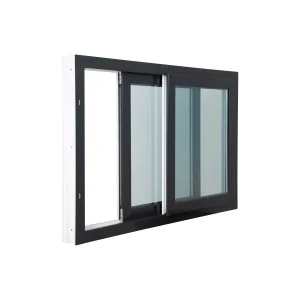
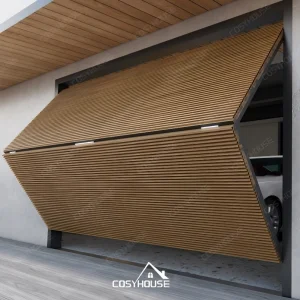
From premium impact-rated vinyl windows to modern bi-fold garage systems, discover our comprehensive range of high-performance architectural systems.