Fortress Windows
Fortress Windows
Fortress Windows
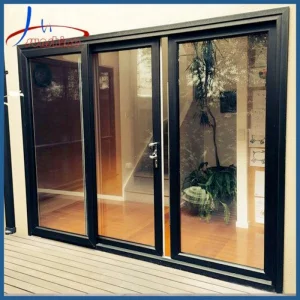
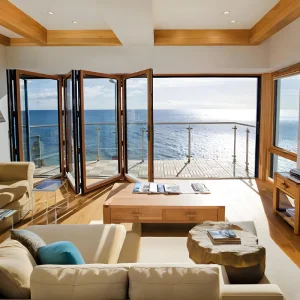
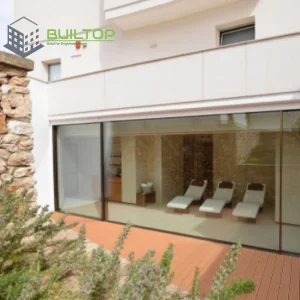
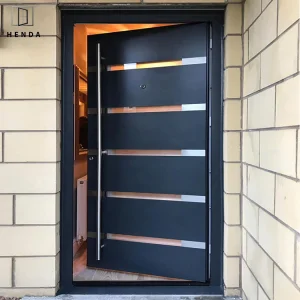
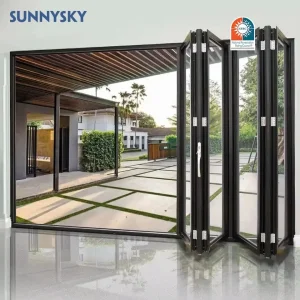
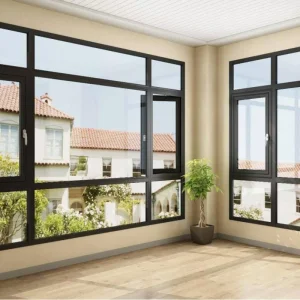
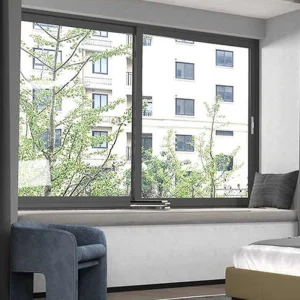
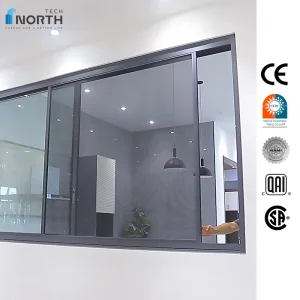
In the contemporary landscape of high-performance architecture, building envelopes are no longer viewed as static barriers but as dynamic thermal membranes. As global urban areas focus heavily on carbon neutrality and net-zero energy design, the demand for high-performance fenestration has peaked. CE Certified Integrated Blind Windows represent the pinnacle of this shift, seamlessly housing Venetian or pleated blinds inside hermetically sealed double-glazed or triple-glazed insulating glass units (IGUs).
By protecting the shading systems within an inert-gas-filled chamber, architectural designers eliminate the mechanical wear, dust accumulation, and physical damage associated with traditional internal blinds. For international developers, utilizing CE-certified products provides immediate peace of mind regarding structural calculations, wind-load parameters, glass safety factors, and thermal performances defined under European standards.
Integrated blinds lower the Solar Heat Gain Coefficient (SHGC) dynamically, block incoming shortwave solar radiation, and maintain standard U-value efficiencies during winter heating seasons.
Because the blind mechanism is completely enclosed within dust-free, moisture-free IGUs, internal slats require zero cleaning, extending system service lifetimes up to 25+ years.
Sealed double-glazed configurations absorb mid-to-high frequency airborne soundwaves, dropping outdoor decibel levels by up to 38-42 dB, establishing ultimate indoor comfort.
As a premier CE Certified Integrated Blind Windows supplier, our manufacturing frameworks follow rigorous engineering criteria. To provide developers and specifiers with the required architectural information, our structural and thermodynamic testing data highlights the product performance limits below:
| Performance Parameter | Standard Testing Metric | Performance Value / Capabilities | Architectural Benefits |
|---|---|---|---|
| Thermal Transmittance (U-Value) | EN ISO 10077-1 / -2 | 1.3 W/(m²·K) - 1.8 W/(m²·K) | Substantially cuts energy demand in active heating cycles. |
| Solar Heat Gain Coefficient (SHGC) | EN 410 / ISO 9050 | Blinds Open: 0.48 / Blinds Closed: 0.12 | Protects commercial interiors from greenhouse-effect overheating. |
| Sound Insulation Index (Rw) | EN ISO 10140 / ISO 717-1 | 35 dB - 42 dB (Depending on cavity gas filling) | Ideal for high-density metropolitan residential zones & hospitals. |
| Wind Load Resistance | EN 12210 | Class C5 (Up to 2000 Pa dynamic pressures) | Ensures high structural integrity on high-rise curtain walls. |
| Shading Mechanism Control Type | EN 60335-2-97 (Motorized Compliance) | Manual Magnet / Solar Battery / Wired Smart PLC | Supports integration with BMS systems (Building Management Systems). |
The globalization of advanced fenestration technology has highlighted the necessity of tailoring products to local building regulations and climates. For instance, in Northern Europe and parts of North America, low winter solar energy levels demand strict Low-E coatings and argon gas-filled cavities to retain radiant warmth inside structures.
Conversely, in equatorial zones, building façades struggle with massive solar loads. Incorporating integrated blinds dynamically reflects infrared energy back outward before it penetrates the interior space. This active energy rejection provides up to a 40% reduction in HVAC compressor cycles.
Key Applications:
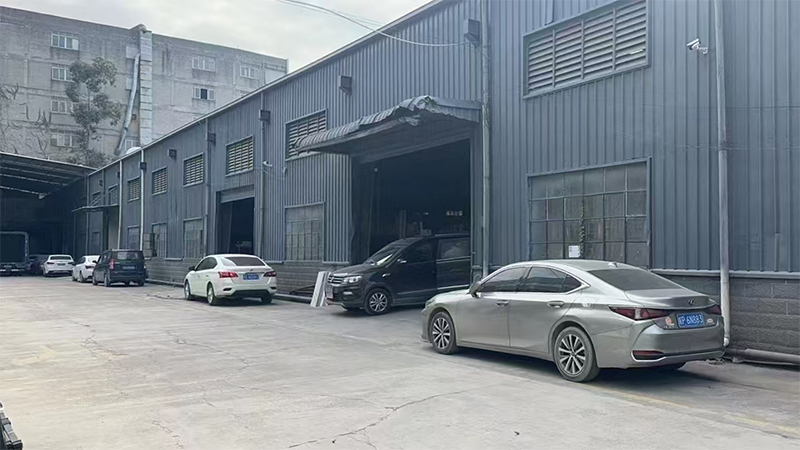
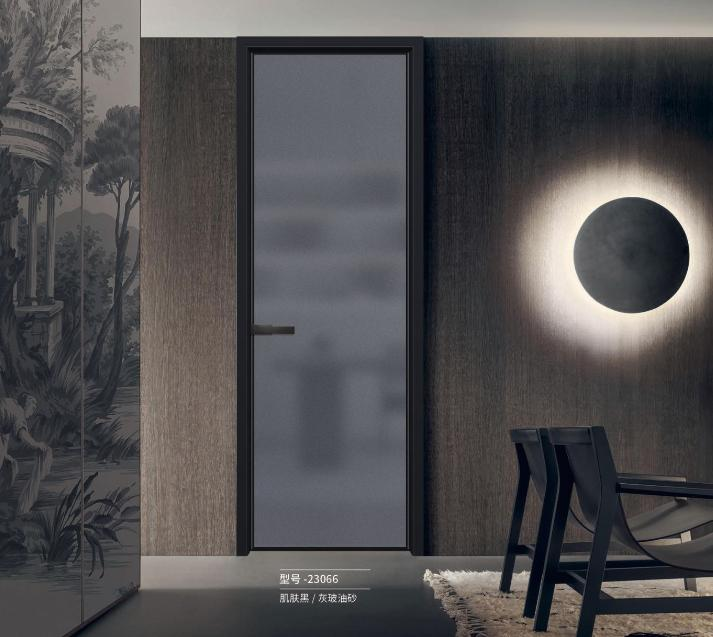
Tianjin Fortress Doors and Windows Co., Ltd. is a premier manufacturer specializing in advanced high-end architectural door and window systems. Our comprehensive enterprise integrates design, testing, production, and global export operations. Backed by state-of-the-art European imported machinery and precise processing equipment, we produce highly specialized fenestration products.
Our product lines include original wood doors, soundproof panels, invisible entries, and high-performance glass systems. By utilizing advanced environmental spray technology and complying with global building regulations, we ensure moisture-proof, sound-insulated, and structurally sound systems.
Adhering to our core tenet of "Highest Quality, Sincere Service," our expert engineering teams work continuously to refine structural configurations. We focus on durability and modern design, creating innovative home and commercial solutions for the 21st century.
The future of integrated blind systems lies in smart integration and energy autonomy. Our design team focuses on incorporating advanced solar photovoltaic cells into the window frame structure. This generates enough localized electrical energy to power the internal blind motors, eliminating the need for complex, invasive electrical wiring during building construction.
Furthermore, we are developing IoT-enabled integration systems. This technology links internal blinds directly to weather stations and home automation networks. The window adjusts itself dynamically to block midday heat or harness passive warmth from the sun, optimizing HVAC efficiency.
Future systems will support wireless zigbee, Thread, or Wi-Fi communication protocols, enabling direct control through mobile applications or Building Management Systems (BMS).
By mounting solar ribbons on frame profiles, our next-generation systems power battery actuators independently, ensuring complete off-grid reliability.
Advanced gas filling tech (Krypton/Argon combination) paired with multi-layer Low-E coatings drives thermal performance close to absolute Passive House standards (0.8 W/m²K).