Fortress Windows
Fortress Windows
Fortress Windows
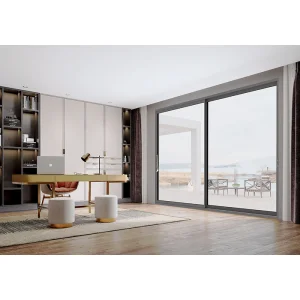
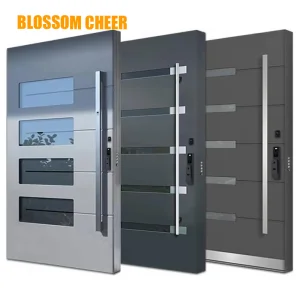
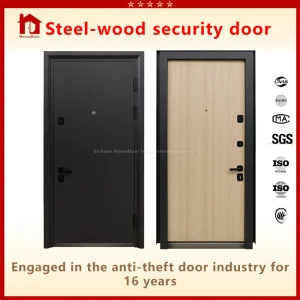
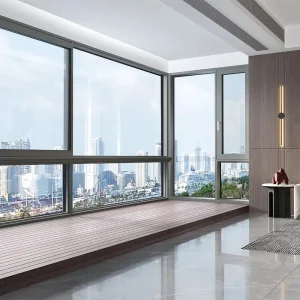
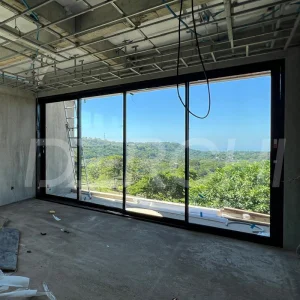
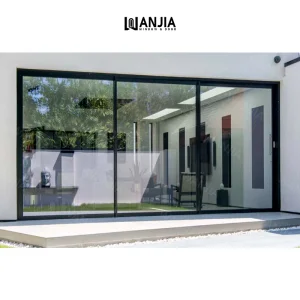
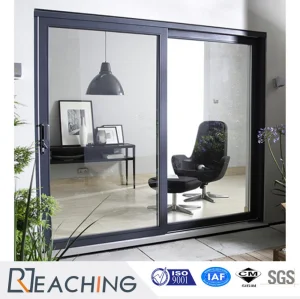
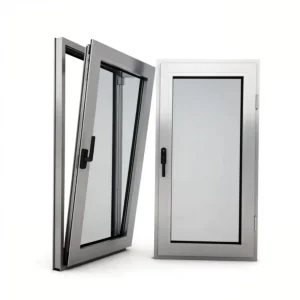
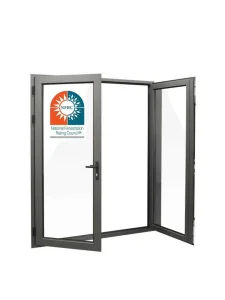
French casement windows represent a pinnacle combination of historic European design philosophy and cutting-edge engineering. Unlike standard casement systems that utilize a fixed central vertical mullion, French windows feature dual sashes that swing outward from the side hinges. When fully opened, they present a completely unobstructed, sweeping panoramic view.
This design creates a wide egress point and maximizes clean airflow into interior spaces. In contemporary fenestration engineering, this system poses unique structural, thermal, and acoustic challenges. In response, modern manufacturers rely on high-yield aluminum extrusions, sophisticated multi-chambered polyamide thermal breaks, and integrated multi-point locking systems.
Understanding these challenges is essential for architects and facade engineers looking to specify French casement windows in demanding structural projects. Key technical evaluations must account for structural load deflection, thermal transmission across frames, and complex glass configurations.
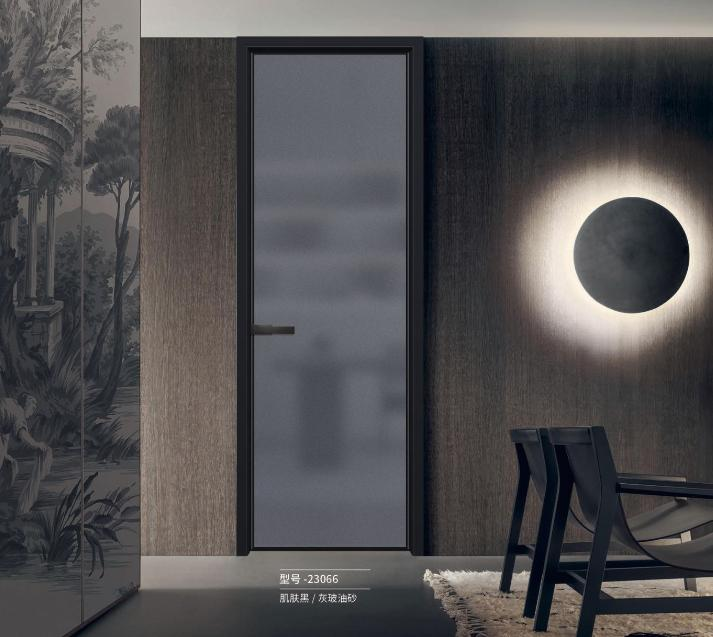
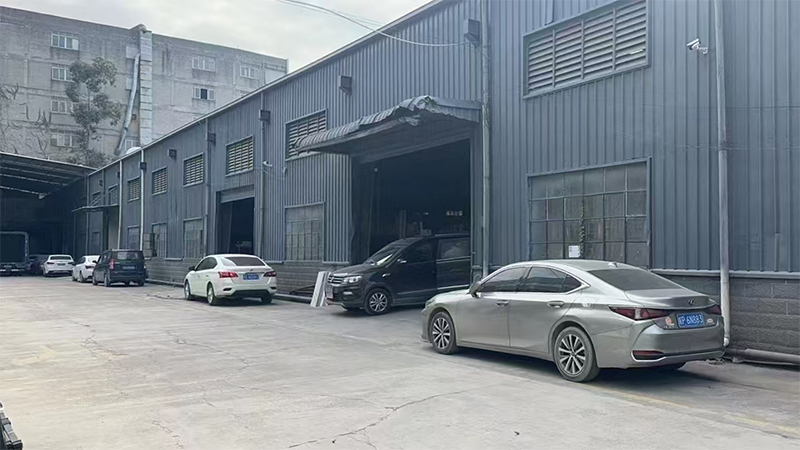
Tianjin Fortress Doors and Windows Co., Ltd. (alongside regional processing facilities like Foshan Dransdy Door & Window Co., Ltd.) is an integrated manufacturer of high-performance architectural openings. The company specializes in an extensive catalog that spans premium wooden log systems, solid-core doors, carbon crystal panels, multi-layer composite structures, and wood-plastic composites (WPC), alongside robust thermal-break aluminum and uPVC window envelopes.
Leveraging advanced precision manufacturing equipment imported from Europe, our processes focus on durability, dampening, moisture-proofing, and high-decibel acoustic isolation. Our surface coating operations feature high-efficiency electrostatic powder coating and fluorocarbon paint lines, ensuring long-term color retention and weatherability against environmental stressors like high UV exposure and corrosive coastal air.
The global demand for high-performance thermal envelope systems is driven by changing energy codes and strict green building certifications like LEED, BREEAM, and Passive House (Passivhaus). As commercial and multi-family residential structures work to minimize operational carbon, building envelopes are coming under closer scrutiny.
French casement windows have transitioned from a purely traditional option to a high-efficiency alternative. By using thermally isolated aluminum frames, these windows deliver the visual appeal of thin profiles alongside the structural strength required for mid-rise and high-rise applications. Structural glazing and multi-point perimeter locks ensure performance even under extreme wind loads and high-velocity hurricane zones (HVHZ).
By specifying dual- or triple-pane glazed assemblies filled with 90% concentration Argon gas and treated with multiple silver low-emissivity (Low-E) coatings, systems routinely achieve overall U-values well below 1.2 W/m²K (U-factor under 0.22 in NFRC standards).
Standard French windows can be vulnerable at the overlapping sash junction. Advanced designs resolve this with integrated mechanical multi-point locking gear, heavy-duty shoot-bolts, and locking gearboxes that lock sashes directly into the head and sill tracks.
With multi-layered dual-density EPDM compression seals and unequal glass thickness configurations (e.g., laminated glass combinations), these setups achieve Sound Transmission Class (STC) ratings up to 45 dB, isolating urban interior spaces from outside noise.
The next decade of fenestration design is centered on material innovation and smart-home connectivity. Tianjin Fortress is investing heavily in R&D for ultra-low-conductance composite profiles and vacuum-insulated glazing (VIG) technologies. Vacuum glazing eliminates the conductive media between glass panes, achieving thermal properties equivalent to solid insulated walls in a profile only a fraction of the thickness.
Additionally, the integration of micro-sensors and automated concealed actuation hardware allows French casement window systems to interface directly with HVAC controllers. This enables automated night purging, ventilation adjustment based on indoor CO₂ and relative humidity, and active solar shading alignment, advancing net-zero energy design goals.
In high-wind coastal areas like Florida and the Gulf Coast, fenestration must meet strict wind-load and impact test protocols. French casement layouts are engineered using high-moment-of-inertia aluminum alloy profiles (6063-T6 or 6060-T66) and heavy-duty structural glazing tapes, meeting the requirements of the Miami-Dade County HVHZ protocols.
In high-latitude regions like Scandinavia and the UK, thermal insulation and moisture protection are critical. Triple-glazed French windows with warm-edge spacer technology help prevent condensation at the edges. Dual-vent configurations with integrated drop-drip profiles protect against driving rain and high winds common to coastal and high-altitude sites.
In Australia, windows must comply with the strict requirements of AS2047 and Bushfire Attack Level (BAL) standards. Engineered windows feature heat-resistant glass, stainless steel mesh integrations, and heavy-duty weather seals to handle high solar loads, dry conditions, and salty coastal air.
Sourcing structural components globally requires high supply chain reliability, quick turnaround times, and reliable quality control. Chinese manufacturing centers, particularly in the Tianjin and Foshan regions, offer integrated supply chains that streamline production from raw materials to finished goods.
Our proximity to deep-water ports allows for efficient container logistics, while our vertically integrated production facilities—combining extrusion, anodizing, powder coating, assembly, and testing—reduce lead times and minimize risks of shipping delays.
Using digital tracking systems, we offer real-time updates on manufacturing stages, shipping schedules, and customs documentation. This keeps commercial partners informed of delivery timelines for large-scale projects.
We provide comprehensive CAD design support, detailed shop drawings, and structural wind calculations for engineers and designers. Our technical division calculates appropriate mullion moments of inertia, anchor spacing patterns, and glass thicknesses based on regional building codes, wind speeds, and elevation profiles.
All fenestration systems are labeled and certified to match regional compliance frameworks, including NFRC thermal performance ratings, CE markers for European markets, and AS2047/AS1288 structural standards for Oceania. Our products come packed in custom sea-worthy steel crates with foam edge protectors and desiccants to prevent shipping damage and oxidation.