Fortress Windows
Fortress Windows
Fortress Windows
Explore our leading collection of entryways, architectural windows, and high-security sliding solutions manufactured to strict international engineering standards.
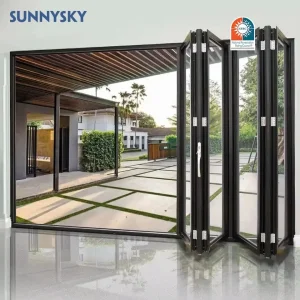
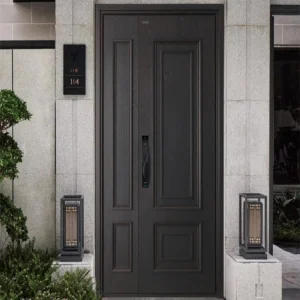
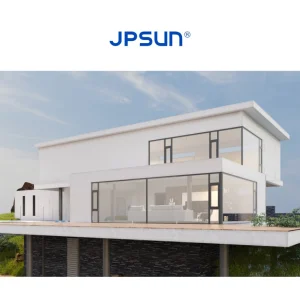
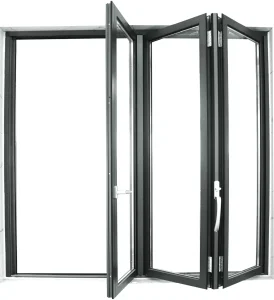
Deepening the engineering boundaries of modern facade geometry and coplanar fenestration systems.
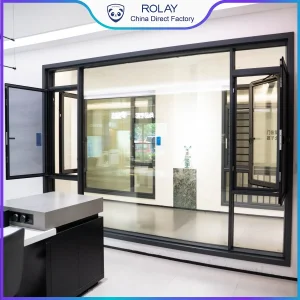
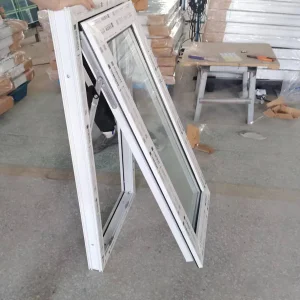
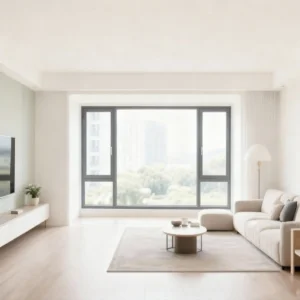
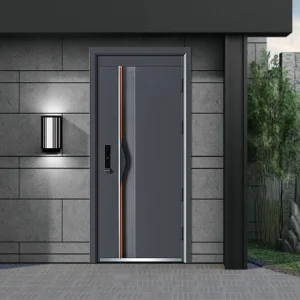
In contemporary high-end architecture, the quest for visual cleanliness and architectural minimalism has driven the innovation of Flush Silhouette Windows. Unlike traditional casement systems where the sash projects outward or rests stepped against the outer frame, flush silhouette configurations align both elements on a single coplanar plane. This design eliminates shadow lines, minimizes dust accumulation, and creates a seamless, monolithic glazed facade that integrates beautifully with exterior plaster, wood siding, or curtain walls.
Achieving this level of architectural integration requires advanced manufacturing tolerance control. Flush silhouette profiles must operate with millimeter-level precision to ensure gaskets compress evenly without causing operational friction. By optimizing profile geometries and integrating hidden drainage ports, suppliers can now deliver high-performance windows that satisfy both the strict thermal performance metrics of high-efficiency buildings and the uncompromising design intents of modern architects.
Frames and sashes sit flush on both exterior and interior faces. This layout minimizes wind turbulence along the facade, directly decreasing aero-acoustic vibration and secondary draft paths under extreme wind conditions.
By moving hinge and swing hardware directly inside the profile groove, designers completely remove visible hardware caps. This boosts aesthetic appeal and prevents localized thermal bridging along the aluminum frame.
Understanding the rigorous compliance metrics required under EN 14351-1 for European and Global market entry.
A CE certification mark on a flush window system is not just a regulatory sticker; it indicates compliance with the Harmonized European Standard EN 14351-1. This framework governs windows and external pedestrian doorsets, outlining safety, structural stability, thermal efficiency, and environmental resistance properties. As a leading manufacturer, our products undergo extensive independent testing in accredited laboratories (Notified Bodies) to achieve performance declarations across several core metrics:
| Performance Indicator | Governing Test Standard | Performance Range / Classification | Architectural Relevance |
|---|---|---|---|
| Air Permeability | EN 12207 | Class 4 (up to 600 Pa test pressure) | Minimizes structural heating/cooling loss; vital for passive house designs. |
| Watertightness | EN 12208 | Class 9A to E900 (unshielded test up to 900 Pa) | Ensures no water ingress under driving rain, preventing structural wall rot. |
| Wind Load Resistance | EN 12210 | Class C5 / B5 (high-deflection security) | Verifies frame deflection limits on high-rise buildings exposed to high wind load. |
| Thermal Transmittance | EN ISO 10077-1/2 | Uf down to 1.1 W/(m²K) / Uw up to 0.8 W/(m²K) | Multi-cavity PA66 polyamide thermal breaks optimize building envelope efficiency. |
| Acoustic Performance | EN ISO 717-1 | Rw (C; Ctr) up to 45 dB (with asymmetric acoustic glass) | Mitigates low-frequency city traffic noise and high-frequency aircraft sounds. |
Combining the production capabilities of Tianjin Fortress and Foshan Dransdy to supply high-end, global architectural products.
Tianjin Fortress Doors and Windows Co., Ltd. is a company specializing in original wooden doors and solid wood doors. Carbon metal panel doors, multi-layer panel doors, and wood plastic doors. A comprehensive enterprise integrating production and sales, with a group of strong production technicians and strong comprehensive development capabilities. The products adopt advanced spraying technology and a complete set of European imported equipment. The sub products include original wooden doors, solid wood doors, soundproof doors, invisible doors, carbon crystal panel doors, and wood plastic doors. They have the characteristics of environmental protection, durability, moisture resistance, non fading, and good sound insulation. Professional surface treatment, new equipment, and advanced design concepts make them superior in style, performance, and texture, tailor-made for you.
Honesty and trustworthiness are the foundation of current business operations. A strict quality assurance system and after-sales service have won the favor of a large number of users, with reliable quality and integrity. By fully leveraging our advantages, our company has embarked on the path of brand development, adhering to the service tenet of "highest quality, sincere service". Let us work together with wisdom and passion to create a new fashion for home furnishings in the 21st century.
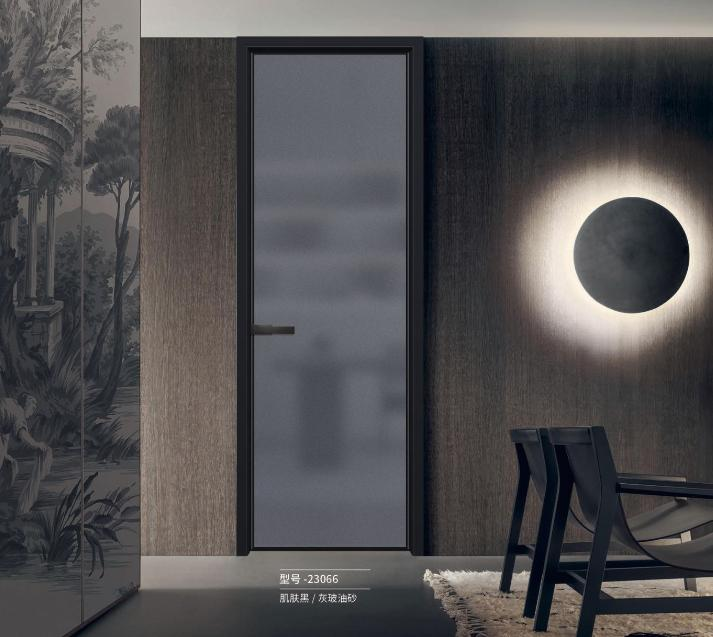
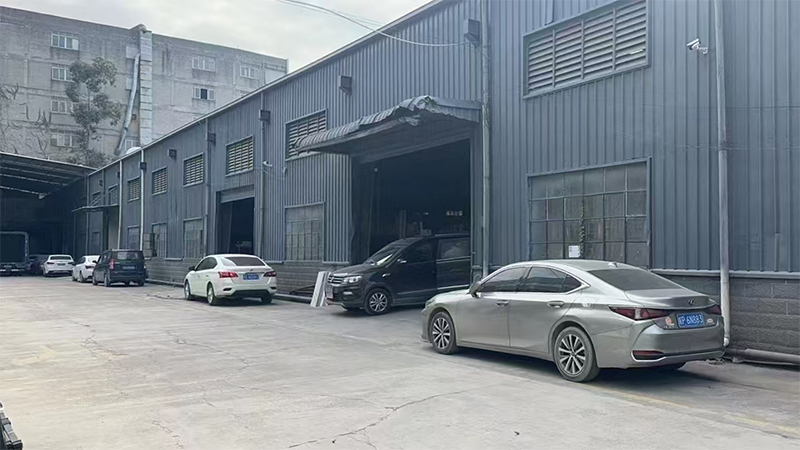
By leveraging European-imported processing machinery, multi-axis CNC profiling centers, and advanced dust-free coating chambers, our facility offers precision engineering with high repeat accuracy. This specialized setup enables us to process both traditional timber products and contemporary structural glazed aluminum units on the same production campus.
From the raw materials of carbon metal panels and aluminum profiles to final structural assembly, our quality inspection processes are monitored closely. This guarantees that all doors and windows leaving the line meet our strict durability requirements, maintaining clean alignments and high thermal performance across diverse climates.
600+
10+
3000 m²
24 Hours
Analyzing global architectural shifts towards high-efficiency, structural flush glazing in B2B development.
The global construction industry is shifting rapidly toward carbon-neutral structures, driven by strict green building policies like the European Green Deal and ASHRAE 90.1 in North America. This transition has reshaped window design, turning windows from simple openings into key contributors to building envelope efficiency. Flush silhouette windows help address these changing requirements:
Architects specify flush windows to limit outer surface turbulences and lower heat losses. Coplanar frames reduce exterior profile areas, which in turn reduces overall building thermal performance degradation over time.
In dust-sensitive microelectronic facilities or pharmaceutical labs, traditional window frame ledges accumulate airborne pollutants. Flush systems eliminate internal recesses, simplifying disinfection and cleaning routines.
Whether facing sub-zero Scandinavian winter wind or intense Middle Eastern desert heat, flush structural frame windows prevent thermal leakage through multi-point gasket compression profiles.
How flush silhouette solutions adapt to specific architectural demands and local microclimates.
Coastal areas struggle with salt spray corrosion and wind-driven rain. Standard casements can leak around hinges. A flush silhouette profile wraps hinges internally and features continuous EPDM gaskets to prevent water ingress, even during heavy coastal storms.
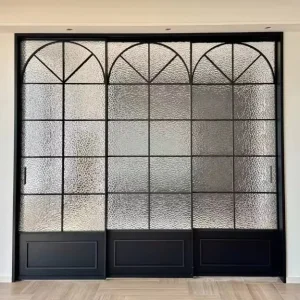
Preserving historic aesthetics while achieving modern thermal values is difficult. Flush silhouette windows match the clean visual lines of historic steel frame windows while integrating double-glazing and thermal break technologies behind the scenes.
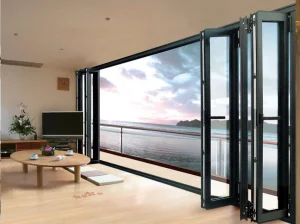
High-end villas feature floor-to-ceiling glass connections. Flush silhouette windows can be designed with concealed sashes, blending the glass directly into surrounding walls to minimize visible framing and maximize views.
High-rise developments experience elevated wind load forces. Flush profiles minimize aerodynamic drag and localized pressure changes along the facade, improving structural stability and reducing wind noise inside occupied offices.
The evolution of coplanar fenestration: smart glass, bio-composites, and advanced vacuum insulation.
As energy codes tighten worldwide, window designs are changing rapidly. Over the next decade, flush window systems will transition from passive architectural components into active energy-generating elements. Our design team is currently developing and testing several key structural upgrades:
By using a thin vacuum layer instead of heavy argon gas fillings, VIG achieves center-of-glass U-values below 0.5 W/(m²K), matching the performance of solid masonry walls in a slim, double-pane profile.
Connecting dynamic solar control glass to smart home platforms allows windows to tint automatically in response to sunlight intensity, lowering mechanical cooling demands by up to 20%.
Replacing standard polyamide thermal breaks with natural, bio-based fiber materials reduces the embedded carbon footprint of the window frame assembly without compromising structural strength.
Direct technical answers to help design firms and B2B procurement officers choose the right window systems.
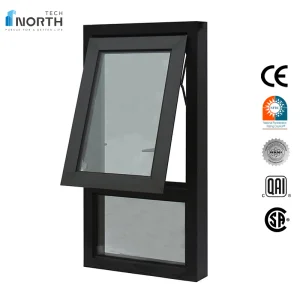
Explore our comprehensive selection of high-durability entryways, thermal-break sliding panels, and impact-resistant awning systems.