Fortress Windows
Fortress Windows
Fortress Windows
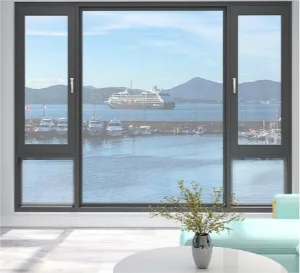
Engineered structural systems integrating advanced argon gas retention and thermal barrier technologies.
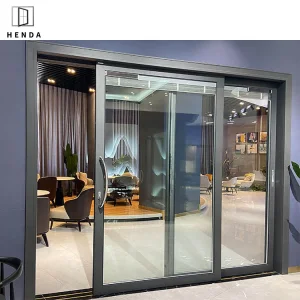
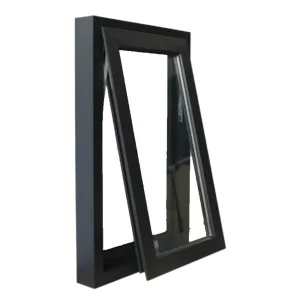
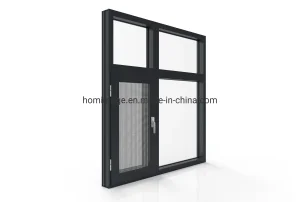
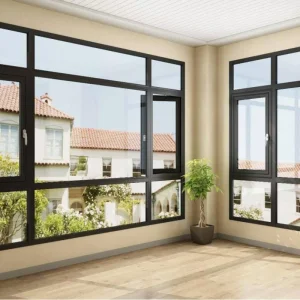
In the contemporary architectural landscape, the path to structural carbon neutrality begins at the building envelope. Glazing systems represent both the greatest potential and the weakest link in building envelope thermodynamics. As a premier OEM/ODM Argon Filled Insulated Glass Manufacturer & Exporter, we have witnessed a massive paradigm shift. No longer is insulated glass treated as a simple commodity; instead, modern glazing is recognized as a complex thermodynamic system designed to optimize the U-factor, Solar Heat Gain Coefficient (SHGC), and Visible Light Transmittance (VLT).
“Building envelopes account for over 30% of primary energy consumption in commercial spaces. Transitioning from standard air-filled cavities to precision-filled Argon gas structures reduces convective heat transfer by up to 33%, dramatically moving projects closer to Passive House and Net-Zero Energy certifications.”
The global demand for high-performance Insulated Glass Units (IGUs) is fueled by tightening international building codes, such as Title 24 in California, ASHRAE 90.1 standards in North America, and the Energy Performance of Buildings Directive (EPBD) in the European Union. Procurement managers, commercial glass distributors, and facade consultants face complex sourcing requirements. They need partners who can offer custom sizing, sophisticated low-E coatings, warm edge spacer technologies, and verified argon retention capabilities. We fill this critical market gap by supplying bespoke OEM and ODM manufacturing services engineered for long-term reliability.
To understand the high efficiency of Argon Filled Insulated Glass, we must look at gas thermodynamics. Standard air cavities are susceptible to heat transfer through radiation, conduction, and convection. When the air within a double-pane unit is replaced with high-purity Argon (Ar)—which has a density 38% higher than air—convective velocity within the unit drops dramatically.
Argon’s thermal conductivity is 0.016 W/(m·K), compared to air at 0.024 W/(m·K). This reduces conductive heat flow across the central area of the glass, contributing to a lower overall U-factor.
Due to the increased density and molecular mass of Argon, sound transmission is dampened. Passing acoustic waves are disrupted, resulting in improved Sound Transmission Class (STC) ratings.
Our dual-sealed cavities, combined with molecular sieve desiccants, keep internal dew points below -60°C. This prevents condensation, even in harsh sub-zero conditions.
However, thermal performance is only as stable as the gas containment system. A critical challenge for argon-filled glass is maintaining the gas within the unit. Under European standard EN 1279-3, an IGU must maintain a leakage rate of less than 1% per year. To achieve this, we use automated gas-filling presses that monitor argon concentration in real-time, aiming for a minimum initial fill of 92%. We also implement a dual-seal barrier system. Polyisobutylene (PIB) serves as the primary water vapor seal, while silicone or structural polyurethane acts as the secondary structural seal.
Combining traditional craftsmanship with advanced European engineering for comprehensive building envelope solutions.
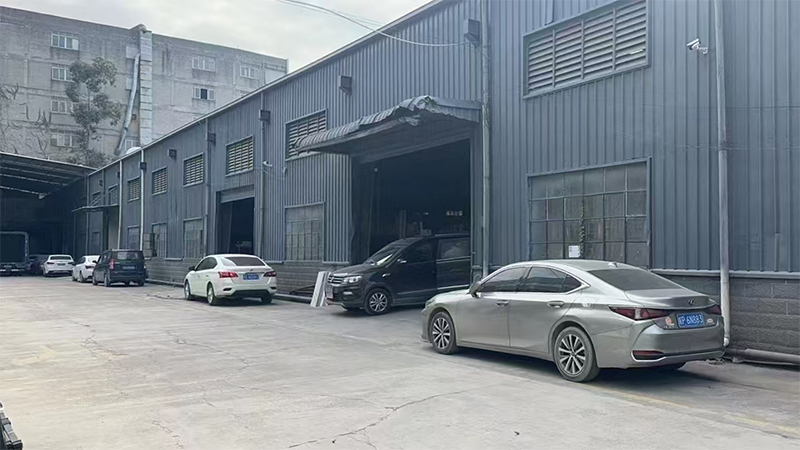
Tianjin Fortress Doors and Windows Co., Ltd. is a comprehensive enterprise that integrates production, technical development, and sales. With advanced European imported equipment and spraying technologies, we design structural door and window systems tailored to modern architectural demands. Our expertise covers original wooden doors, solid wood doors, soundproof interior doors, carbon crystal panels, wood plastic doors, and high-performance energy-saving glass systems.
By leveraging our manufacturing base, we have expanded our capabilities to offer state-of-the-art OEM/ODM Argon Filled Insulated Glass products. Operating under the service tenet of "highest quality, sincere service," we work closely with developers and distributors to build sustainable, energy-efficient spaces for the 21st century.
Commercial glazing needs vary by region, wind loads, and thermal zones. We provide a structured OEM/ODM framework designed to simplify the design and procurement process:
| Parameter | Technical Specifications | Project Application |
|---|---|---|
| Glass Thickness Options | 3mm to 19mm (Monolithic), laminated configurations available. | High-rise curtain walls, structural window systems. |
| Spacer Cavity Widths | 6mm, 9mm, 12mm, 15mm, 16mm, 20mm (Warm Edge & Aluminum). | Acoustic damping and cold-climate insulating units. |
| Low-E Coating Types | Single, Double, or Triple Silver (Offline Soft-coat & Online Hard-coat). | Solar radiation management and maximum thermal reflection. |
| Gas Concentration Target | > 90% Argon gas density (certified verification options). | Long-term compliance under EN 1279 & ASTM E2190 standards. |
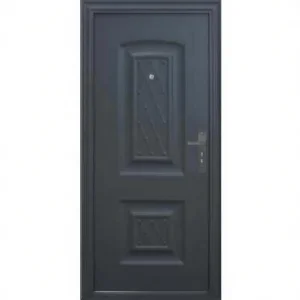
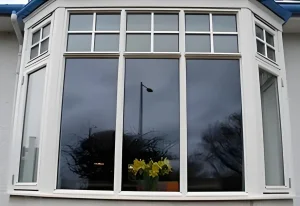
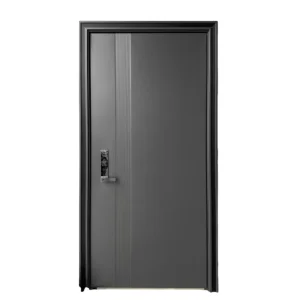
Our engineering division coordinates window framing designs with structural glass specifications. Whether we are matching custom thermal break aluminum windows or designing specialty heavy-duty armored doors, each unit is checked for thermal stress, structural integrity, and wind-load deflection. This helps prevent premature field failures and ensures long-term performance.
Our commitment to innovation keeps us aligned with the future of architectural glazing. Over the next decade, energy efficiency standards will require even lower U-values. To meet these demands, our engineering team is focused on three primary developmental tracks:
Combining Vacuum Insulated Glass (VIG) with an external argon-filled cavity. This configuration achieves central U-values below 0.4 W/m²K, matching the insulation of solid insulated walls.
Developing molecularly structured silica-aerogel warm spacers to eliminate heat transfer along the perimeter of the glass, reducing condensation risk.
Integrating electrochromic layers that adjust light and heat transmittance dynamically in response to electric currents, controlled by building automation systems.
Transporting heavy glass across continents requires meticulous quality control and robust packaging. As a global exporter, we protect your materials from production to final delivery. Our products are shipped on heavy-duty, reinforced A-frame wooden crates with custom-cut cork separators and moisture-resistant desiccant packaging. This ensures the glass is protected from moisture and physical shocks during transport.
To ensure smooth project integration and regulatory clearance, our glass units carry international certifications including CE (EN1279), SGCC (ANSI Z97.1), and IGCC/IGMA (ASTM E2190). Whether your project is situated in North America, Europe, or the Asia-Pacific region, our documentation package includes certified glass performance reports, gas fill certification, and comprehensive quality tracking for every batch.
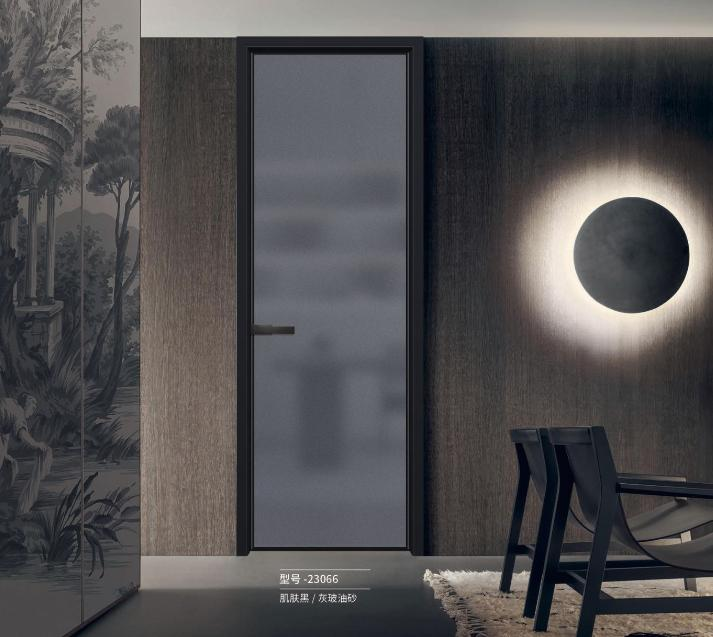
Architectural glass assemblies, entryways, and custom framing engineered to integrate seamlessly with high-performance glazing.