Fortress Windows
Fortress Windows
Fortress Windows
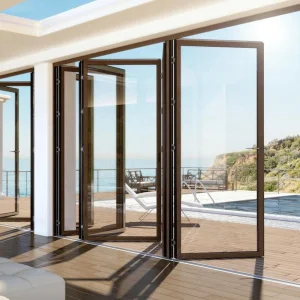
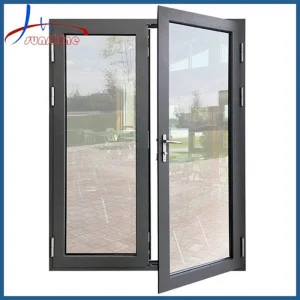
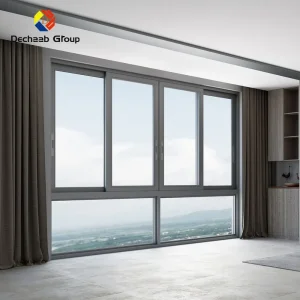
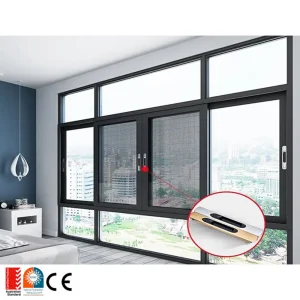
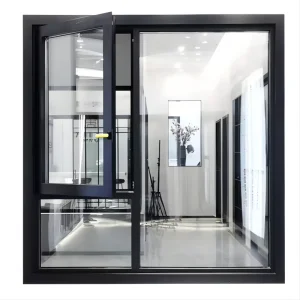
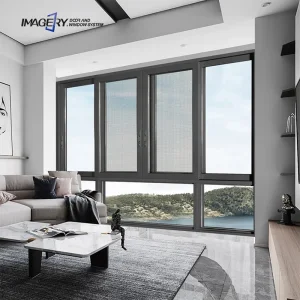
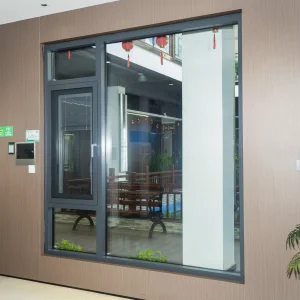
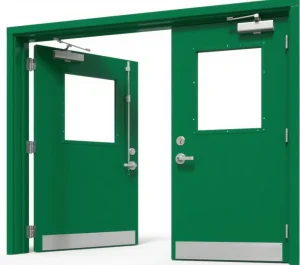
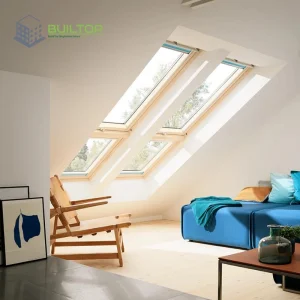
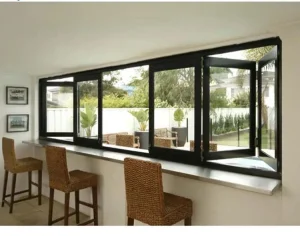
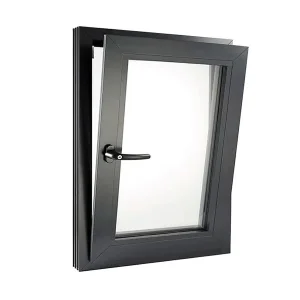
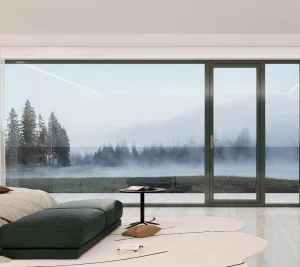
Explore our engineering-first aluminum window systems, customized security entries, and double-glazed integrations tailored for residential and structural layouts.
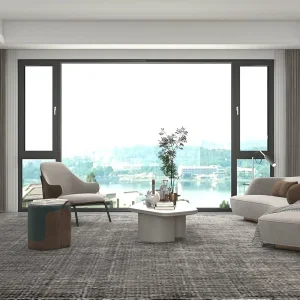
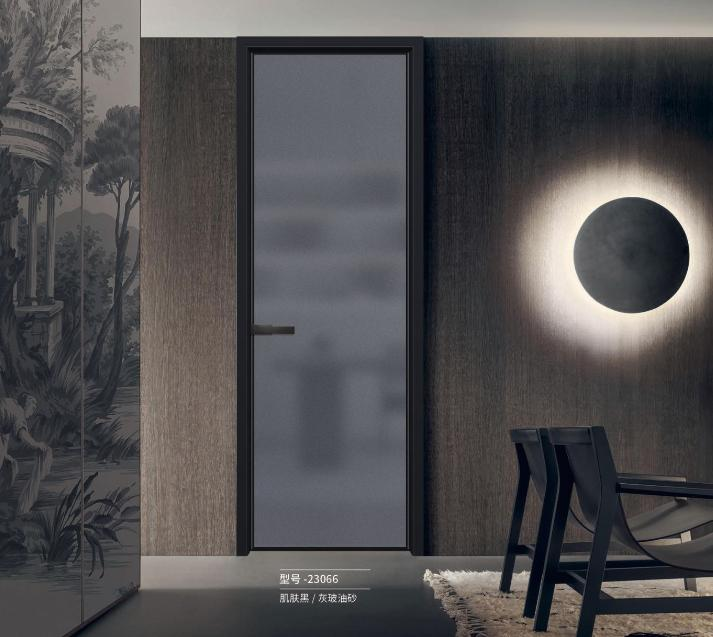
Tianjin Fortress Doors and Windows Co., Ltd. represents the absolute pinnacle of high-grade architectural barrier production. Specializing in advanced log configurations, solid wooden systems, high-density carbon crystal panels, multi-layer profiles, and wood-plastic composites (WPC), our industrial capabilities serve complex residential, commercial, and heavy-duty structural plans across the globe.
Equipped with a comprehensive set of European-imported tooling, automated precision spraying assemblies, and highly skilled manufacturing technicians, we optimize product durability, thermal resistance, and acoustic dampening. Every frame, shutter, and casing is custom engineered to withstand intense environmental stresses while elevating the visual profile of contemporary buildings.
How state-of-the-art aluminum shutter systems are reshaping structural aerodynamics, HVAC efficiency, and facade performance.
Aluminum louvers and shutters provide a passive solar control envelope. By managing direct solar incidence, they lower HVAC dependencies by up to 34%, ensuring that structural cooling demands remain highly efficient in extreme zones.
Utilizing high-tensile 6063-T5 aluminum extrusions, our storm-rated shutters provide structural protection against localized wind pressures, microbursts, and debris impact, satisfying stringent regional building codes.
Through double-glazed configurations and high-performance dampening gaskets, our shutter and window systems minimize external noise penetration, delivering peace of mind in high-density urban zones.
Understanding the exact chemical requirements of architectural metalwork is what separates our production line from standard workshops. We utilize grade 6063-T5 and T6 structural aluminum profiles, maintaining strict tolerance controls in wall thicknesses up to 3.0mm to support large architectural spans.
Additionally, our surface protection options include marine-grade powder coating (compliant with AAMA 2604/2605 requirements) and hard anodizing treatments. This protects raw surfaces from severe salt spray, industrial oxidation, and ultraviolet degradation, ensuring operational lifespans exceeding 30 years.
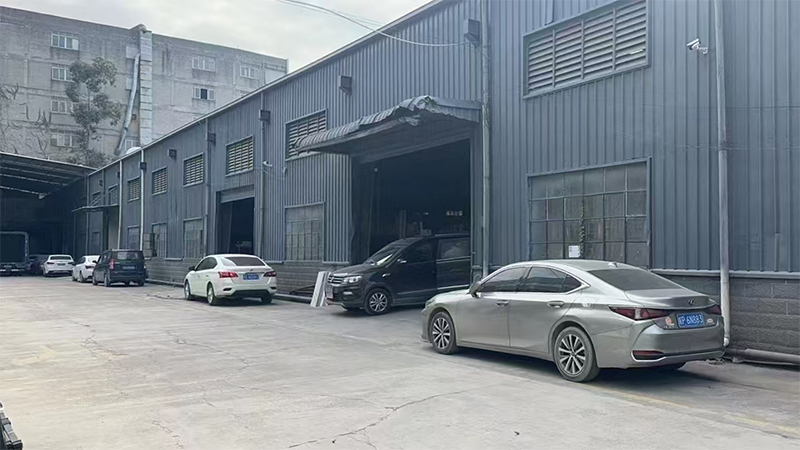
Detailed performance metrics verified by international testing institutions to meet rigid regional parameters.
Leading the next generation of building facade efficiency with smart integrations and sustainable material sourcing.
Our upcoming product lines include intelligent automation loops that interface with Building Management Systems (BMS) to automatically tilt shutter blades based on real-time solar path and ambient wind load feedback.
Adhering to strict ESG standards, we are steadily scaling our reliance on low-carbon recycled aluminum billets, aiming to lower the embedded footprint of our window systems by 45% over the next four years.
Developing advanced Santoprene and EPDM multi-chambered co-extruded perimeter gaskets to provide perfect draft sealing, achieving unmatched protection against environmental elements.
Professional answers to key design, thermal performance, and engineering questions regarding aluminum shutter systems.
Aluminum offers an unmatched strength-to-weight ratio and natural resistance to corrosion. Unlike wood, it does not rot or warp under moisture. Unlike steel, it does not rust in humid conditions. Precision-extruded aluminum frames accommodate high-performance thermal breaks and customized powder-coating finishes, ensuring minimal structural maintenance.
By deflecting solar radiation before it hits the glass, aluminum louvers significantly reduce the Solar Heat Gain Coefficient (SHGC). In winter, when thermal break profiles are utilized within the frames, they create a dead-air insulation layer that restricts conduction loss, dramatically improving overall U-values.
Our premium structural windows undergo rigorous physical tests according to ASTM E1886 and ASTM E1996 protocols for wind-borne debris, as well as ASTM E330 structural performance testing under static air pressure differences, ensuring compliance in coastal zones.
We provide full-scope customization covering alloy profiles, wall thickness (1.2mm to 3.0mm), architectural colors (Qualicoat-certified custom RAL colors), blade pitch control mechanisms (manual, motorized, sensor-driven), and glass types (tempered, laminated, double-glazed, low-E).
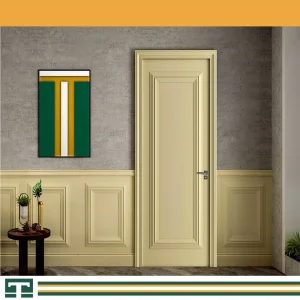
Premium options for interior transitions, heavy-duty weatherproofing, and smart architectural integration.