Weather plays a critical role in the durability and functionality of doors and windows. According to Mark Thompson, a leading industry expert in door and window performance, “Extreme weather conditions can significantly shorten the lifespan of these structures.” This statement captures the essence of understanding how weather impacts these essential components.
Changing temperatures, humidity levels, and harsh conditions can have various effects. For instance, intense sunlight can warp materials over time. Rain and snow can lead to water damage if not properly managed. Each season brings its own challenges. Knowing how weather conditions affect door and window performance allows homeowners and builders to make informed decisions.
Innovative designs and materials have emerged to combat these issues. However, not all solutions are perfect. Some may not perform as expected under certain conditions. It’s crucial to choose products that fit local climate needs. Thus, continuous learning and adaptation in this industry remain vital. Understanding the interplay between weather and structure longevity is essential for enhancing performance over time.
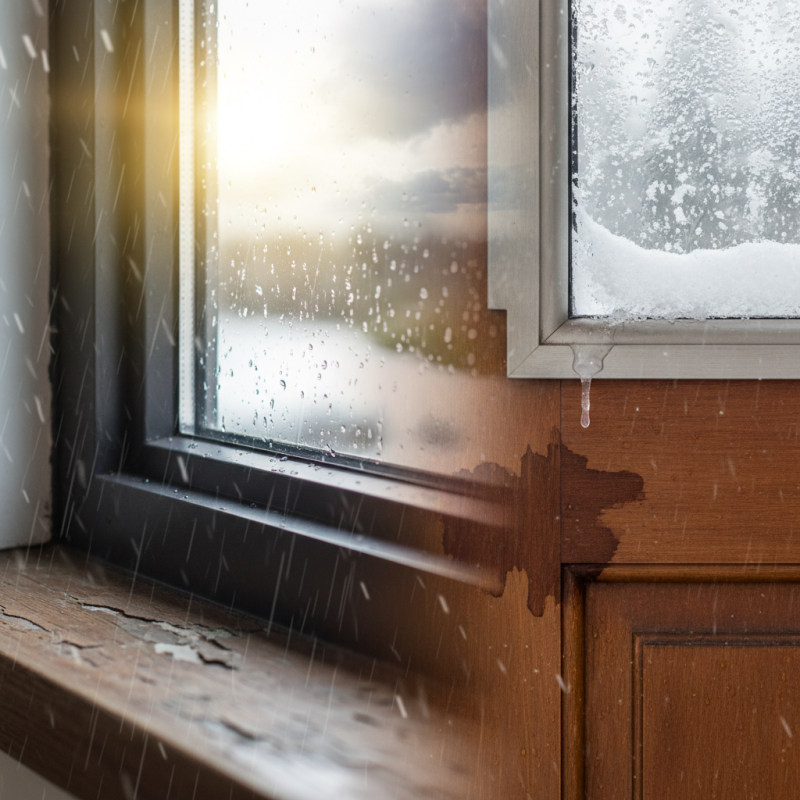
Factors Influencing Door and Window Materials in Different Weather Conditions
Weather conditions can significantly influence the durability of doors and windows. Factors such as temperature fluctuations, humidity, and exposure to sunlight all play a role. For example, extreme temperatures can cause materials like wood to expand and contract, leading to warping. This can create gaps that allow air and moisture to seep in, potentially damaging the interior of your home.
Humidity is another critical factor. In humid environments, metal components can rust and corrode. Meanwhile, excessive moisture can cause wood to swell or even rot. Selecting the right materials for your climate is essential. Consider using treated wood or composite materials for areas with high humidity.
Tips: Always inspect your doors and windows regularly. Look for signs of wear, such as peeling paint or rust. Regular maintenance can prevent small issues from becoming major problems. In addition, applying weather-resistant finishes can extend the life of your fixtures.
Remember, investing in quality materials pays off in the long run, especially in harsh weather conditions.
Impact of Temperature Fluctuations on Door and Window Integrity
Temperature fluctuations significantly affect the durability of doors and windows. Changes in temperature cause materials to expand and contract. This process can lead to warping or cracking. For wooden doors and windows, high humidity levels can further complicate these effects. Wood absorbs moisture, which may increase its susceptibility to damage.
Steel and aluminum frames also experience stress from temperature shifts. They may form condensation. This moisture can lead to rust and corrosion over time. Proper sealing is essential. However, in some cases, seals may not last as long as expected. Regular maintenance is vital to manage these issues effectively.
Homeowners often overlook these effects. Seasons change, and many do not take proactive measures. Awareness is crucial for extending the lifespan of doors and windows. Inspections should be routine, especially in areas with extreme temperatures. Ignoring this can lead to costly repairs. Understanding how temperatures impact these entry points is fundamental. Small steps today can lead to better durability tomorrow.
Effects of Moisture and Humidity on Door and Window Lifespan
Moisture and humidity are two significant factors affecting the durability of doors and windows. When wood absorbs excess moisture, it can lead to
swelling and warping. This alteration can compromise the seals, allowing more water to enter and causing further damage.
Metal components may also rust when exposed to constant humidity. This erosion weakens the structure over time.
In regions with high humidity, mold and mildew can develop on surfaces. This growth not only tarnishes the aesthetic appeal but can also weaken the materials.
Homeowners must remain vigilant about any signs of dampness.
Regular maintenance is essential, but many neglect this aspect until it's too late. A simple inspection could reveal hidden issues.
Humidity can fluctuate widely throughout the year. Sudden changes in temperature can exacerbate these problems.
Proper installation and ventilation become crucial to mitigating these effects. While materials like uPVC are resistant to moisture, they may still need attention.
Continually assessing the condition of doors and windows is vital for prolonging their lifespan.
Neglecting these elements can result in costly repairs down the line.
Wind Pressure and Its Role in Door and Window Durability
Wind pressure significantly affects the durability of doors and windows. Research indicates that high wind speeds generate pressure above the surface of these structures. For instance, speeds of 70 mph can create forces exceeding 30 pounds per square foot. This force can stress seals and frames, leading to potential failures.
Understanding the architecture is crucial. Doors and windows made of standard materials may struggle under extreme conditions. A study from the American Society of Civil Engineers suggests that properly engineered components can withstand pressures up to 50% higher than average. This highlights the importance of design in enhancing longevity.
Additionally, the cumulative effect of wind over time causes wear and tear. Frequent exposure may compromise structural integrity. Lack of routine inspections can lead to unnoticed damage, resulting in more significant issues down the line. Recognizing the interplay of wind pressure and durability fosters better practices in construction and maintenance.
How Do Weather Conditions Impact Door and Window Durability? - Wind Pressure and Its Role in Door and Window Durability
| Weather Condition |
Impact on Doors |
Impact on Windows |
Recommended Materials |
| High Wind Speed |
Increased risk of warping and stress fractures. |
Potential for shattering and seals failing. |
Fiberglass, Laminated Glass |
| Heavy Rain |
Can cause swelling and mold growth. |
Increased risk of leaks and water damage. |
Water-resistant materials, Composite Frames |
| Extreme Temperatures |
Thermal expansion can lead to cracks. |
Glass may become brittle or warp. |
Vinyl, Thermal Break Aluminum |
| Snow and Ice |
Weight can cause structural failure. |
Ice can force gaps in seals. |
Reinforced Frames, Insulated Glass |
| UV Radiation |
Can cause fading and deterioration. |
May weaken frames and seals over time. |
UV-resistant materials, Coated Glass |
UV Radiation Effects on Outdoor Doors and Windows Over Time
UV radiation significantly affects outdoor doors and windows over time. Prolonged exposure to sunlight can degrade materials such as wood and vinyl. A study by the National Renewable Energy Laboratory (NREL) revealed that UV rays can cause a reduction in physical properties by up to 80% over 10 years. This degradation manifests as warping, discoloration, and loss of structural integrity.
In addition to visible damage, UV radiation contributes to the breakdown of protective coatings. These coatings are essential for maintaining the appearance and durability of doors and windows. According to the American Society for Testing and Materials (ASTM), UV exposure can decrease the lifespan of coatings by an average of 30%. Regular maintenance is crucial to mitigate these effects, yet many homeowners overlook this aspect. The constant battle against UV rays raises important questions about the long-term investment in resilient materials and protective films.
Understanding the implications of UV exposure helps guide decisions regarding material choice and maintenance frequency. Some options may initially seem more affordable but could incur higher long-term costs due to rapid deterioration. Reflecting on these aspects is vital for anyone looking to ensure the longevity of their outdoor fixtures.
Conclusion
Weather conditions play a significant role in determining the performance and longevity of doors and windows. Understanding how weather conditions affect door and window performance involves examining various factors such as temperature fluctuations, which can lead to material expansion or contraction, potentially compromising structural integrity. Additionally, moisture and humidity can promote rot and mold, significantly reducing lifespan, while wind pressure can impose stress on these building components, potentially resulting in damage or malfunction.
Moreover, prolonged exposure to UV radiation can degrade materials, causing fading and brittleness, especially in outdoor installations. By analyzing these factors, homeowners and builders can make informed decisions when selecting materials and designing doors and windows that are better equipped to withstand the challenges posed by varying weather conditions. Emphasizing durability and resilience against these elements is crucial for maintaining functionality and aesthetic appeal over time.
 Fortress Windows
