When it comes to small living spaces, choosing the right doors can make a significant difference. How to choose doors for small living spaces requires careful consideration of functionality and aesthetics. The right door can create an illusion of space and enhance natural light.
It's important to think about the materials, colors, and styles that suit the overall décor. For instance, glass doors can make a room feel larger and brighter. In contrast, solid doors may offer more privacy and sound insulation but can also feel constricting. Reflecting on personal needs is crucial, as every choice impacts the space's feel.
The task may seem overwhelming. Consideration of door size, swing direction, and frame style is essential. Mistakes can happen, like selecting bulky designs that hinder movement. It's often easy to overlook details, but those small choices matter greatly. By focusing on practical tips, you can find doors that complement your unique living situation while maximizing every inch of space.
Understanding the Importance of Door Selection in Limited Spaces
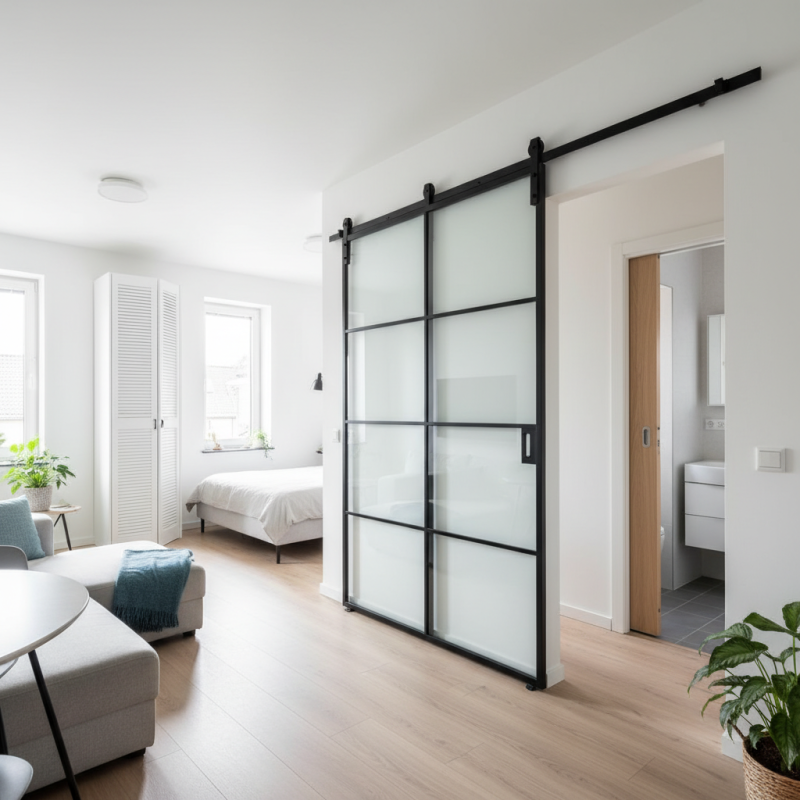
Choosing the right doors is essential in small living spaces. A well-selected door can enhance aesthetics and improve functionality. Small areas often have limited options, so making informed decisions is crucial. The type of door you select influences how light and air flow through a room. Sliding doors can save space, while bi-fold doors can create a sense of openness.
Consider the material and design. Hollow core doors are lighter and budget-friendly, but solid core doors offer better sound insulation. Clear glass panels can make a small area feel more spacious. However, they might compromise privacy. It’s a trade-off worth considering. Doors also need to align with your overall decor style. Balance is key; your doors should complement the space without overwhelming it.
Don't overlook the practical aspects. Measure your door frames carefully. Even tiny miscalculations can lead to frustrating installations. Sometimes, a unique design can inspire more creative layouts. Yet, fashionable choices can skyrocket costs. Be aware of your budget constraints. Reflecting on these factors will guide you towards the best decisions for your living space.
Assessing Space Requirements: Measuring for Your New Door
When choosing a door for a small living space, measuring correctly is crucial. A precise measurement helps maximize limited space. Start by assessing the door's swing direction. This impacts how the door operates in a confined area. Always measure door width first, then height. Make sure to account for the door frame too.
Consider the overall aesthetics of your space. Is it modern, rustic, or minimalistic? A door should complement your style. Look at materials like wood, glass, or metal. Each has its unique feel and function. Light can enhance a small room. Glass doors can create the illusion of more space. They invite natural light and open up a room.
Don't forget to think about practicality. Will the door be used frequently? If yes, a lightweight option may be best. Sometimes, a sliding door can save valuable floor space. This could be a smart choice for narrow hallways or small rooms. Always visualize how the door interacts with the surrounding area. A good door enhances both functionality and beauty in your living space.
Choosing the Right Door Style for Small Living Areas
When selecting doors for small living spaces, the style significantly impacts both aesthetics and functionality.
Bi-fold doors can open up a room, allowing more natural light and creating an illusion of space.
These doors fold neatly, making them ideal for small areas. Consider glass panels for interior doors to enhance visibility and further expand the area visually.
Sliding doors are another excellent option. They do not swing open, which saves space and offers a clean look. However, they may restrict wall space for furniture.
This is important to consider in a small living area. Traditional doors provide a solid feel but require space to swing out. If you love vintage styles, this may limit your layout choices.
Ultimately, choosing the right door style requires thoughtful reflection on your needs.
Each option has pros and cons. A minimalist approach often works best.
Too many details can overwhelm a small space, making it feel cluttered.
Be open to experimenting with different styles and placements, as the right door can transform the ambiance of your living area.
Material Matters: Selecting Durable and Lightweight Door Options
When choosing doors for small living spaces, material selection greatly impacts functionality and aesthetics. Lightweight materials like hollow-core wood or fiberglass can ease movement while maintaining durability. They resist warping and fading, proving suitable for compact areas where doors may undergo frequent use. A minimalist design enhances visual appeal, making the space feel larger.
Consider the balance between strength and style. While heavier materials like solid wood may exude luxury, they can overwhelm a small room. Look for options that combine durability and a lighter touch. For instance, a sleek aluminum frame can complement any modern décor while remaining easy to handle. Reflecting on your lifestyle needs, ask yourself: Will this door hold up under daily use?
Additionally, think about maintenance. Some materials, while durable, may require regular upkeep. Opting for doors that are easy to clean and maintain can save time in busy households. Assess the environment, too. Humidity levels might affect material choices for certain areas, like bathrooms or kitchens. Balancing these factors ensures you select the perfect door for your small living space.
Maximizing Functionality: Exploring Multi-Purpose Door Designs
In small living spaces, multi-purpose door designs can enhance functionality and style. They offer practical solutions that save space while ensuring ease of movement. According to the National Association of Home Builders, about 35% of homebuyers prioritize open-plan layouts in compact living areas. This trend encourages the use of doors that blend seamlessly with the surrounding design.
Pocket doors are a popular choice. They slide into the wall, eliminating the need for swing space. This is vital in tight areas, making rooms appear more spacious. Additionally, folding doors can create an open layout when needed. A report by the American Institute of Architects shows that well-designed doors can improve the flow of a home, creating a more inviting atmosphere.
However, effective utilization of space often comes with challenges. Some homeowners may overlook the door's material and style, affecting durability and aesthetics. Quality options like solid core doors may offer better insulation but can be heavier and less practical in smaller homes. It’s crucial to weigh these factors against personal needs. Evaluate each option based on how well it integrates with the room while fulfilling the necessary function.
FAQS
: The right door enhances aesthetics and improves functionality, helping to maximize limited space.
Sliding and bi-fold doors are ideal. They save space and create a sense of openness.
Lightweight materials like hollow core doors ease movement. Solid core doors offer better sound insulation.
Yes, clear glass doors can make a space feel larger, but they can reduce privacy.
Measure frames carefully. Tiny miscalculations can lead to frustrating installation issues.
Unique designs may inspire creativity but can significantly increase costs. Balance style and budget.
They save space and improve functionality, making small living spaces more efficient and inviting.
Yes, some durable materials require regular upkeep, so choose options that are easy to clean.
High humidity may limit material choices, especially in areas like kitchens and bathrooms.
Consider lifestyle needs, durability, aesthetics, and how well the door integrates into the space.
Conclusion
In "Top 10 Tips for Choosing Doors in Small Living Spaces," the article emphasizes the significance of selecting the right doors to enhance functionality and aesthetics in limited areas. It guides readers on how to choose doors for small living spaces by first understanding the space requirements, which involves accurately measuring for new doors. The article also discusses the importance of door style, recommending options that complement small living areas while avoiding overwhelming designs.
Furthermore, material selection is crucial; durable and lightweight options are suggested to ensure ease of use and longevity. Lastly, the piece highlights versatile door designs, such as sliding or folding doors, which can maximize functionality without compromising space. By following these tips, homeowners can make informed decisions to improve their small living environments effectively.
 Fortress Windows
