Fortress Windows
Reducing outdoor noise is essential for creating a peaceful home environment. Studies indicate that nearly 30% of urban residents report significant noise disturbances daily. The right windows can significantly mitigate this problem. Homeowners often overlook how crucial proper window selection is for sound insulation.
Understanding how to reduce outdoor noise with proper windows can transform living spaces. Acoustic glass is one effective solution. According to the National Institute of Health, prolonged exposure to high noise levels can lead to stress and sleep disturbances. Investing in quality windows can provide relief.
While double or triple-glazed windows are popular, not all products are created equal. Ensure windows are sealed well to prevent sound leaks. This choice can enhance energy efficiency as well. However, many people underestimate the impact of window installation quality on noise reduction. Small errors can compromise even the best windows. Without careful installation, the benefits diminish.
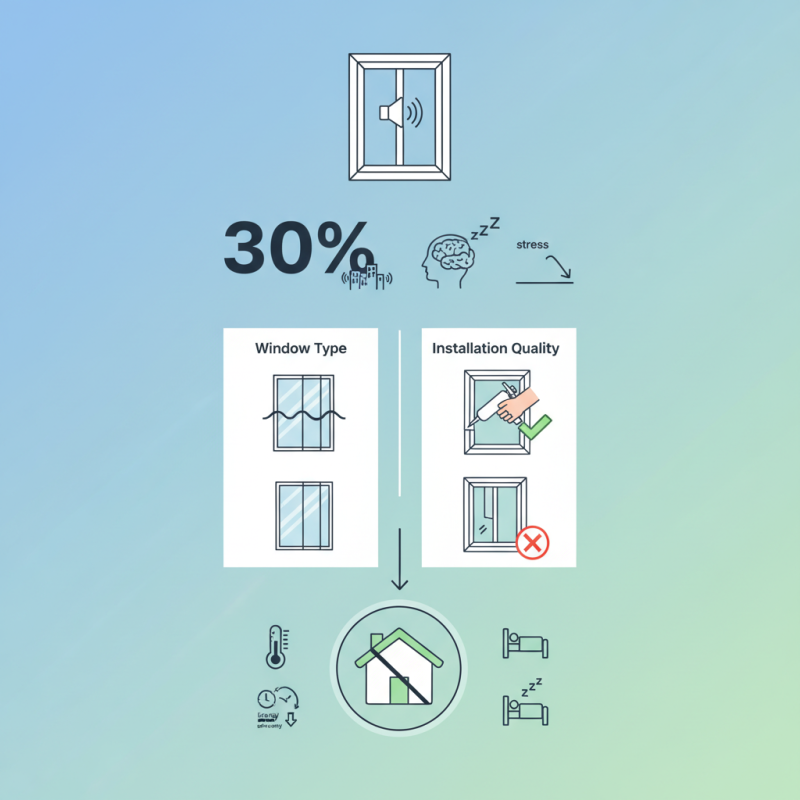
Outdoor noise can significantly affect indoor comfort. High levels of sound can disturb concentration and disrupt relaxation. Understanding this impact is crucial for creating a peaceful living environment.
Common sources of outdoor noise include traffic, construction, and nature sounds. These noises can enter homes through poorly insulated windows. It is often frustrating to feel the outside world intruding into your personal space. Noise pollution can heighten stress levels and diminish overall well-being.
Selecting appropriate window types is essential. Double-pane windows offer better sound insulation than single-pane options. Proper sealing around windows also helps block noise. However, not everyone can afford high-end solutions. It requires careful consideration and planning to effectively balance cost and comfort. Sometimes, simple measures like thick curtains can make a difference. Each choice can contribute to a quieter space.
When considering windows for noise reduction, various types can significantly enhance your serenity.
Double-glazed windows are a popular choice, featuring two panes of glass separated by a space filled with air or gas. This design reduces sound transmission effectively. They block outdoor noise by creating an extra barrier, making them ideal for urban settings.
Another effective option is laminated glass. This type of window has a thin layer of plastic between two glass panes. This layer dampens sound waves. Laminated windows not only reduce noise but also provide better security. They are a bit heavier but offer excellent soundproofing benefits.
Casement windows are also noteworthy. Their tight seals prevent air leaks and outside noise from entering. Proper installation is vital; gaps can render noise reduction ineffective.
Custom-made windows can provide better fitting and performance, addressing specific noise concerns. Regular maintenance of these windows is crucial to ensure they continue to work effectively over time.
Sometimes, even the materials used for frames can influence noise insulation. Choosing the right materials can make a substantial difference, and this aspect shouldn't be overlooked.
When considering noise-reducing windows, several key features can significantly enhance your living environment. First, look for double or triple glazing. These windows have multiple layers of glass with gases in between, which help block out sound. The airspace acts as a buffer, absorbing noise and making your home quieter. Quality seals around the frames are also essential. They prevent sound from seeping in through gaps, further enhancing noise reduction.
Another important factor is the window’s frame material. Vinyl and fiberglass offer better sound insulation compared to aluminum. Thicker frames can also provide a sturdier barrier against noise. Sound transmission class (STC) ratings indicate how well a window can block noise. Aim for windows with a higher STC rating for optimal performance.
While these features offer many benefits, it's important to remember that no window can completely eliminate outdoor noise. Some reduction is always achievable, but understanding the limitations is crucial. Investing in quality windows is an important step, but maintaining realistic expectations is vital for true satisfaction. Consider these factors carefully to make an informed choice.
When aiming to reduce outdoor noise, proper window installation is crucial. Research indicates that windows can account for up to 50% of external noise intrusion into your home. To maximize noise isolation, several best practices should be followed during installation.
Using dual-pane windows with an air gap significantly enhances soundproofing. According to the Glass Association, windows featuring laminated glass can reduce noise by 30 to 50 percent. When installing these windows, gaps around the frames must be properly sealed to prevent leakage of sound waves. Utilizing acoustic caulk is recommended here. Furthermore, ensuring that your windows fit snugly in the opening can minimize sound transmission.
In addition, consider the orientation and placement of your windows. Noise levels can vary based on the direction of incoming sound. A study from the National Institute of Deafness found that windows facing busy streets transmit more noise. If possible, install soundproof windows on the noisier sides of your property. While these practices can dramatically reduce outdoor noise, finding the right balance in installation is not always straightforward. Some homes may face structural challenges that complicate window placement, potentially leading to subpar results. Continuous evaluation of the noise reduction performance is essential to ensure that the installed solutions are effective over time.
| Window Type | Noise Reduction Rating (NRR) | Glass Thickness | Frame Material | Sealing Method | Estimated Cost |
|---|---|---|---|---|---|
| Double Glazed | 32 dB | 6 mm | Vinyl | Airtight Seal | $300 |
| Triple Glazed | 38 dB | 8 mm | Wood | Foam Seal | $450 |
| Laminated Glass | 34 dB | 6.4 mm | Aluminum | Polyurethane Seal | $400 |
| Acoustic Windows | 42 dB | 10 mm | Composite | Silicone Seal | $600 |
When dealing with outdoor noise, window soundproofing is just one part of the solution. Other strategies can help create a quieter home environment. Thick curtains, for example, can absorb sound. Choose fabrics specifically designed for sound reduction. Layering curtains adds even more insulation against noise.
Sealing gaps around windows is also vital. Use weatherstripping or caulk to fill cracks. This simple step can significantly reduce the sound entering your home. It may seem small, but every little detail contributes to an overall quieter space.
Also, consider landscaping as a sound barrier. Tall trees, shrubs, or hedges can block noise. They not only provide a natural aesthetic but also act as an effective shield from disturbances. However, it's essential to maintain these plants regularly to ensure they remain effective over time. The combination of these strategies can lead to a more peaceful living environment while you navigate the complexities of noise control.
: Outdoor noise can disrupt concentration and relaxation, making it crucial to address for a peaceful living environment.
Common sources include traffic, construction, and nature sounds. These can infiltrate homes through poorly insulated windows.
Double-glazed and laminated glass windows are popular choices, as they effectively reduce sound transmission.
Laminated glass has plastic layers between glass panes, dampening sound waves and providing better security.
Thick curtains and proper sealing around windows can significantly reduce noise from outside.
Regular maintenance ensures that windows continue to effectively block noise and maintain their insulating properties.
Yes, tall trees and shrubs can serve as effective sound barriers, enhancing both aesthetics and tranquility.
Use weatherstripping or caulk to fill any gaps, which can greatly reduce sound entry into your home.
Custom-made windows fit better and address specific noise concerns, providing enhanced performance and comfort.
The materials for window frames can influence noise insulation, so selecting the right ones is essential for effectiveness.
In the quest to improve indoor comfort, understanding outdoor noise and its effects is crucial. Noise pollution can significantly disrupt daily life; therefore, learning how to reduce outdoor noise with proper windows is essential. Effective noise reduction begins with selecting the right types of windows, such as double or triple-glazed versions, which are designed to minimize sound transmission. Additionally, certain key features—like thicker glass, larger air gaps, and specialized soundproofing frames—can enhance their performance.
Installation also plays a vital role in maximizing noise isolation. Proper sealing and fitting are necessary to prevent leaks that can compromise sound barriers. Beyond window choices, implementing additional strategies, such as using heavy curtains, insulating walls, or planting trees outside, can further complement window soundproofing efforts. By taking a comprehensive approach, homeowners can effectively create a serene indoor environment, significantly reducing the intrusion of outdoor noise.
