Fortress Windows Fortress Windows

What Is Modern Window Technology For Better Home Comfort?

Time:2026-09-18 Author:Amelia
0%

Modern windows do more than frame a view. They manage heat, daylight, airflow, noise, and indoor comfort throughout the year. The U.S. Department of Energy reports that windows can account for about 25–30% of a home’s heating and cooling energy use. That figure makes window selection a serious comfort decision, not merely a design preference.

This introduction explores How To Improve Home Comfort With Modern Windows through low-emissivity glass, insulated frames, warm-edge spacers, airtight installation, and climate-specific solar-control coatings. Stephen Selkowitz, a respected building-science and window-performance expert, has described windows as “the most complex component of a building.” His observation remains useful because glass can feel cold beside a sofa, admit harsh afternoon glare, or create hidden drafts around an imperfect frame. Modern products can reduce those problems, but they cannot correct every installation mistake.

ENERGY STAR guidance also emphasizes U-factor and solar heat gain coefficient ratings when choosing efficient windows. Lower U-factor values generally improve resistance to heat transfer, while SHGC must match the local climate and exposure. A south-facing window in a cold region may welcome winter sunlight; the same glass can overheat a room in a hot climate. The details matter. Still, performance labels are not magic. Poor flashing, missing insulation, or careless sealing can undermine expensive glazing. This guide considers both the technology and the practical limits, because real comfort often depends on what happens around the window, not only inside it.
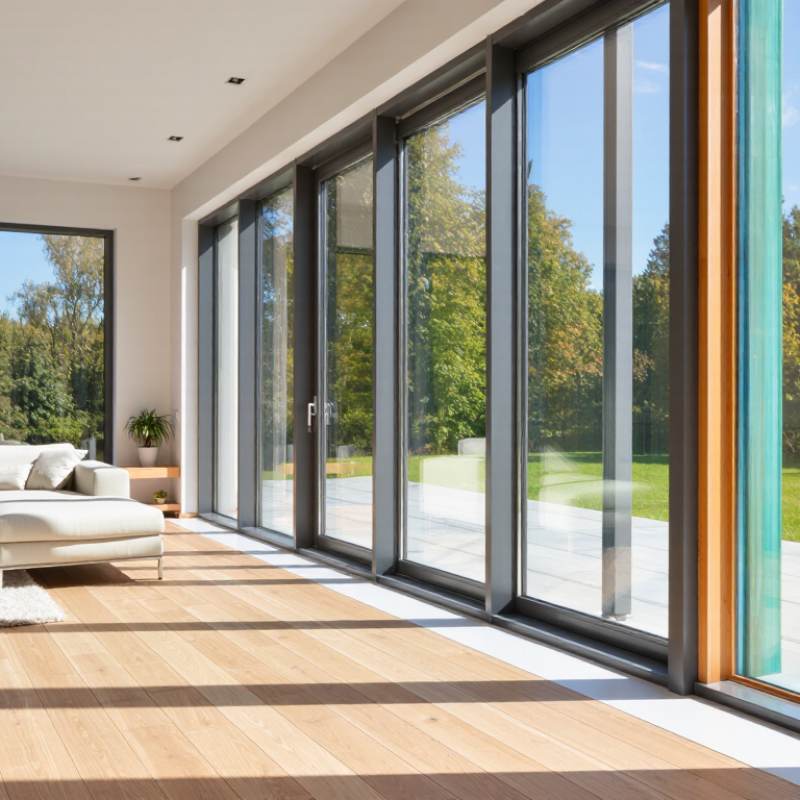
What Is Modern Window Technology For Better Home Comfort?

What Modern Window Technology Means for Home Comfort

What Modern Window Technology Means for Home Comfort

Modern window technology means more than clearer glass or slimmer frames. It changes how a room feels beside the window. The U.S. Department of Energy estimates that windows cause 25–30% of residential heating and cooling energy use. Low-emissivity coatings, insulated glazing, and warm-edge spacers can reduce unwanted heat movement. In winter, the inner glass feels less cold. In summer, sunlight produces fewer harsh hot spots on the floor.

Comfort also depends on measured performance. The National Fenestration Rating Council evaluates U-factor, solar heat gain coefficient, visible transmittance, and air leakage. A lower U-factor generally limits heat loss. A lower solar heat gain coefficient can help sun-exposed rooms stay cooler. However, the best rating depends on climate, orientation, shading, and room use. A highly insulated window may still feel uncomfortable if installation leaves gaps around the frame.

Small details matter. A properly sealed window should not create a chilly draft near a reading chair. Condensation should also remain limited on the interior glass. The U.S. Environmental Protection Agency notes that indoor pollutant levels can be two to five times higher than outdoor levels, so airtight windows must work with planned ventilation. This balance is easy to overlook. Modern glass helps, but it cannot correct poor airflow or careless installation. Industry ratings guide decisions, yet real comfort remains partly subjective. A bedroom may still feel too bright, too warm, or simply not quiet enough.

How Advanced Window Materials Improve Thermal Performance

What Is Modern Window Technology For Better Home Comfort?

How Advanced Window Materials Improve Thermal Performance

Modern windows manage heat, sunlight, and air movement more precisely than older single-pane designs. In real home assessments, cold glass often creates uncomfortable seating areas during winter. Advanced materials reduce that effect.

Double- and triple-pane units trap insulating gas between glass layers. The added space slows heat transfer through the window. Low-emissivity coatings reflect indoor warmth back into the room. They also limit unwanted solar heat during bright summer afternoons. Warm-edge spacers reduce heat loss around the glass perimeter.

Small details matter.

Frame materials influence performance too. Fiberglass, reinforced composites, and insulated vinyl frames generally resist temperature changes better than basic metal frames. A lower U-factor indicates stronger insulation. Solar heat gain ratings help homeowners compare sunlight control. These numbers need local climate context, not blind selection.

Installation remains an overlooked factor. Even efficient glass can underperform when gaps surround the frame. Careful flashing, square fitting, and durable seals help prevent drafts and moisture intrusion.

I have seen rooms remain chilly after window replacement because air leaked around the opening. The product was not the only problem.

No window fixes every comfort issue. Shading, ventilation, wall insulation, and indoor humidity still affect results.

Thermal improvements can also bring trade-offs, including higher cost, reduced visible light, or different exterior appearance.

How Smart Glazing Controls Light, Heat, and Privacy

Modern window technology can make a home more comfortable by controlling light, heat, and privacy. Smart glazing changes its tint when sunlight or indoor temperatures reach selected levels. Electrochromic layers respond gradually, reducing glare without blocking the entire view. On a bright afternoon, the glass may darken while daylight still enters the room. The room feels calmer. Sensors can connect with temperature controls and shading systems. A manual override remains important when automation makes the wrong choice.

A well-designed system can reduce solar heat entering south-facing rooms. It may also protect floors, furniture, and artwork from intense ultraviolet exposure. However, performance depends on window direction, climate, glass size, and insulation quality. South-facing glass needs different settings from shaded northern glass. Privacy is more complicated. Some smart glazing becomes translucent, but it may not provide complete privacy at night. When interior lights are brighter than outdoor light, silhouettes can remain visible. Curtains may still help.

Installers often observe that control placement affects daily satisfaction. A wall sensor near a warm appliance can trigger unnecessary tinting. Reliable systems need clear settings, simple maintenance, and a backup control method. Energy savings also depend on household habits, not just advanced glass. I would not treat smart glazing as a complete replacement for exterior shading. It is a useful layer, but imperfect. During cloudy weather, automatic settings may still feel too dark. Reviewing actual glare, heat, and privacy conditions after installation can lead to better adjustments.

What Is Modern Window Technology For Better Home Comfort? - How Smart Glazing Controls Light, Heat, and Privacy

Typical performance ranges are indicative and vary with glazing size, climate, frame design, control settings, and installation quality.
Smart glazing type How it controls light and heat Typical visible light transmission Typical solar heat gain behavior Privacy capability Best comfort benefit
Electrochromic glazing Uses a low-voltage electrical signal to gradually change the glass tint. It can reduce glare and solar radiation without blinds. Approximately 2%–60%, depending on the tint state and glass construction. Solar heat gain can be reduced substantially in the tinted state; solar heat gain coefficient commonly ranges from about 0.09–0.48. Usually provides glare and solar control, but it does not normally create full visual privacy. Maintains views and daylight while limiting overheating and screen glare.
Thermochromic glazing Responds passively to temperature. As the glass becomes warmer, its optical properties change to reduce incoming solar energy. Varies with temperature and formulation; commonly changes from a clearer state to a visibly darker state. Reduces solar heat gain during hotter conditions without wiring or user controls. Provides limited privacy because the glass is not designed to become opaque. Offers automatic heat moderation with minimal operating complexity.
Suspended-particle-device glazing Electrically aligns suspended particles to switch between a clearer state and a darker state, controlling daylight and glare quickly. Often approximately 1%–60%, depending on the product and operating state. The darker state can significantly limit solar radiation and glare, although exact heat performance depends on the complete window assembly. Improves visual screening but generally does not provide a fully opaque privacy effect. Provides rapid glare control for rooms with strong sunlight or large areas of glass.
Liquid-crystal privacy glazing An electrical signal changes the liquid-crystal layer between a transparent appearance and a diffuse, translucent appearance. Typically high in the clear state and strongly diffused in the privacy state; exact transmission depends on the interlayer. Primarily manages visibility rather than solar heat; external shading or low-emissivity coatings may still be needed for heat control. Provides on-demand privacy by making the glass translucent, not usually fully light-blocking. Supports flexible privacy in bathrooms, bedrooms, meeting areas, and street-facing rooms.
Low-emissivity insulating glass A microscopically thin coating reflects selected infrared energy while allowing useful daylight to pass through. Commonly about 40%–75%, depending on coating, tint, and pane configuration. Can be specified for lower or moderate solar heat gain; the solar heat gain coefficient often falls roughly between 0.20 and 0.60. Does not provide switchable privacy by itself; curtains, blinds, or privacy films may be added. Improves year-round insulation and reduces interior glass temperatures.
Dynamic glazing with sensors and automation Combines switchable glass with daylight, temperature, occupancy, or solar sensors to adjust tint according to indoor and outdoor conditions. Depends on the installed smart-glass technology and its programmed tint range. Can lower peak solar gains and cooling demand when properly commissioned, while preserving daylight when conditions allow. Privacy depends on the glazing type; sensors can schedule privacy settings automatically. Balances glare, daylight, thermal comfort, and user convenience with less manual adjustment.
Key performance measures: Visible transmittance (VT) indicates how much daylight passes through; solar heat gain coefficient (SHGC) indicates how much solar heat enters; U-factor indicates how readily heat flows through the window. Lower U-factor generally means better insulation, while the ideal SHGC depends on climate, orientation, shading, and room use.

How Window Design Reduces Noise, Drafts, and Indoor Moisture

Modern window technology targets three daily discomforts: street noise, cold drafts, and indoor moisture. The U.S. Department of Energy reports that windows can represent 25–30% of residential heating and cooling energy use. Low-emissivity coatings reflect indoor heat back into the room. Double or triple glazing adds insulating air spaces. Laminated glass can also reduce traffic noise by damping vibration. Noise still travels. Frames, vents, and installation gaps often weaken the result.

The World Health Organization’s Environmental Noise Guidelines recommend keeping average road-traffic exposure below 53 dB Lden. Well-sealed windows help bedrooms feel calmer, especially near busy roads. They also limit uncontrolled air leakage. However, airtight windows need planned ventilation. The U.S. Environmental Protection Agency recommends indoor relative humidity between 30% and 50%. Warm-edge spacers and insulated frames keep interior glass surfaces warmer, reducing condensation around the edges. Still, better glass is not magic. Cooking, showers, and poor exhaust ventilation can overwhelm any window system.

Tips: Check the whole opening, not only the glass. Ask for tested air-leakage and sound-reduction results. Inspect seals each season. Use bathroom and kitchen fans during moisture-producing activities. Leave a small ventilation path when appropriate. A practical mistake is choosing triple glazing without checking frame strength, drainage, or installation quality. Performance depends on all three.

How to Choose and Maintain High-Comfort Modern Windows

Choosing modern windows for comfort starts with measurements, not appearance.

The U.S. Department of Energy estimates that windows cause 25–30% of residential heating and cooling energy use. That figure makes selection more than a design decision.

Check the U-factor for insulation and the solar heat gain coefficient for sunlight control. Lower U-factor values usually suit colder climates. However, very low solar gain may make a shaded room feel cooler. A perfect specification does not exist.

Room direction, glass area, and local weather still matter. The National Fenestration Rating Council recommends comparing certified U-factor, SHGC, visible transmittance, and air-leakage ratings. Professional installation also matters. Small gaps around the frame can undermine expensive glass.

Tips: Ask for the NFRC label before purchasing.
Inspect corners and seals carefully.
Choose lower SHGC glass for strong west-facing sun.
Use higher visible transmittance where daylight matters.
Do not ignore ventilation needs.

Maintenance protects comfort over time.

Clean tracks twice yearly, remove grit, and test the locks gently. Inspect weatherstripping before winter. Condensation between panes often signals a failed insulating seal, not simple dirt. ENERGY STAR guidance also supports checking caulk around frames and repairing air leaks. I have seen homeowners replace good windows when the real problem was poor flashing. That mistake is easy to repeat. Record indoor condensation, drafts, and room temperatures before requesting repairs.

FAQS

How do advanced window materials improve thermal comfort?

Double- and triple-pane glass create insulating spaces that slow heat transfer. Low-emissivity coatings reflect indoor warmth. Cold seating areas may feel less uncomfortable.

Why do window frames matter?

Fiberglass, reinforced composites, and insulated vinyl usually resist temperature changes better than basic metal frames. Warm-edge spacers reduce heat loss near glass edges. Small details matter.

Can better windows stop drafts completely?

Not always. Gaps around the frame can allow cold air inside, even with efficient glass. Careful flashing, square fitting, and durable seals help. Installation matters greatly.

Which ratings should homeowners compare?

Check the U-factor, solar heat gain coefficient, visible transmittance, and air-leakage rating. Lower U-factor usually means stronger insulation. Climate and room direction still matter.

How can windows reduce outdoor noise?

Double or triple glazing adds separation between glass layers. Laminated glass can dampen traffic vibrations. Noise may still enter through vents, frames, or installation gaps.

Do airtight windows create moisture problems?

They can if ventilation is inadequate. Cooking and showers add indoor moisture quickly. Keep indoor humidity around 30% to 50%. Use kitchen and bathroom fans.

How should windows be maintained?

Clean tracks twice yearly and remove grit from moving parts. Inspect weatherstripping before winter. Check caulk around frames. Condensation between panes may indicate a failed seal.

Are triple-pane windows always the best choice?

No. They may cost more, reduce visible light, and require stronger frames. A shaded room might feel too cool with very low solar gain. The perfect specification does not exist.

Conclusion

Modern window technology plays an important role in creating a more comfortable, efficient, and peaceful home. By combining advanced frame materials, insulated glass, and improved sealing systems, modern windows can help maintain stable indoor temperatures while reducing drafts and energy loss. These features support better heating and cooling performance throughout the year. Smart glazing adds another layer of comfort by managing sunlight, heat, glare, and privacy according to changing conditions, helping rooms feel brighter without becoming excessively warm.

How To Improve Home Comfort With Modern Windows also involves reducing outside noise, limiting indoor moisture, and selecting designs that suit each room’s ventilation and lighting needs. Proper installation is essential because even high-performance windows may underperform if gaps or alignment problems remain. Regular cleaning, seal inspections, hardware adjustments, and timely repairs can preserve efficiency over time. With thoughtful selection and maintenance, modern windows can contribute to a quieter, healthier, and more comfortable living environment while supporting long-term household efficiency.

Amelia

Amelia

Amelia is a seasoned marketing professional with a wealth of expertise in our company’s core offerings. With an unwavering passion for driving growth and innovation, she plays a pivotal role in shaping our marketing strategies and enhancing brand visibility. A key aspect of her responsibilities......