Large windows are becoming a hallmark of modern design, enhancing both aesthetics and functionality. They bring in natural light and create a vibrant atmosphere, which can significantly improve the quality of indoor spaces. As architect and daylighting expert Sarah Turner states, "Embracing large windows transforms the way we experience our environments." Her expertise emphasizes the potential benefits of strategically placed windows.
When considering "How To Improve Daylighting With Large Windows," it's essential to think beyond mere size. The orientation, size, and type of glass used can impact the effectiveness of daylighting. For instance, larger windows facing south can capture more sunlight during the day, reducing the need for artificial lighting. However, one must consider the balance between light and heat. Too much sunlight can lead to overheating in warmer months.
Moreover, while large windows can draw in light, it’s crucial to account for privacy and aesthetics. Achieving optimal daylighting is not just about size; it's about creating a harmonious relationship between the exterior and interior. By examining these factors thoughtfully, one can harness the full potential of large windows to enhance their living or working space.
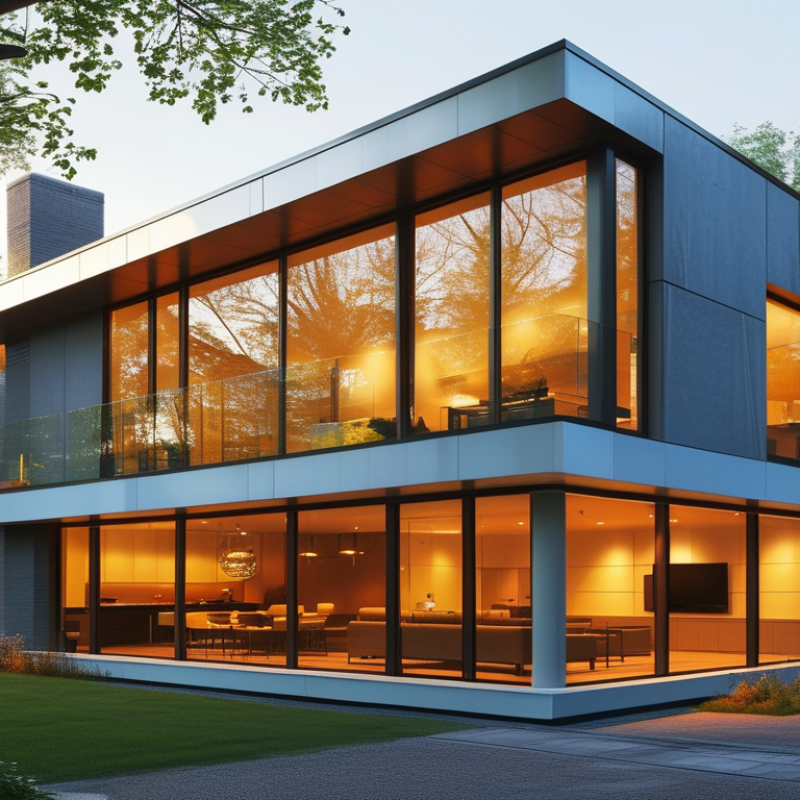
Benefits of Natural Daylight for Indoor Spaces
Natural daylight plays a crucial role in transforming indoor spaces. It enhances mood, improves focus, and boosts overall well-being. Large windows invite this light, creating a brighter atmosphere. Studies show that access to natural light can reduce stress and increase productivity. Many people thrive in environments filled with sunlight.
Consider the design of your space. A room with ample daylight often feels more spacious. It can reduce reliance on artificial lighting, leading to energy savings. However, the placement of windows matters. They should not only maximize light but also consider future glare. Reflections can affect comfort.
Balancing light and shade is essential. Too much sunlight can create heat and make spaces uncomfortable. Solutions like blinds or overhangs can help. Thoughtful integration of large windows should take both benefits and drawbacks into account. This thoughtful approach leads to spaces that nurture and inspire.
Role of Window Size in Maximizing Natural Light
The size of windows plays a crucial role in maximizing natural light in any space. Research indicates that larger windows can increase daylight penetration significantly. For instance, a study from the National Renewable Energy Laboratory found that spaces with windows covering 30% or more of wall space can boost daylight levels by up to 40%. This notion underscores the importance of window design in enhancing indoor lighting.
Moreover, larger windows can also optimize the angle of sunlight entering a room. When designed correctly, they allow soft, diffused light to fill the space, reducing the need for artificial lighting. A report from the American Society of Interior Designers noted that well-placed large windows can create a harmonious balance between light and shadow. However, it’s important to consider potential drawbacks, such as glare or overheating, which can affect occupant comfort.
Finally, while maximizing window size can enhance daylighting, it is not always a one-size-fits-all solution. Some spaces may have limitations due to structural constraints or aesthetic principles. Evaluating each situation, understanding local climate conditions, and addressing potential downsides are critical steps in the design process. Thoughtful consideration can lead to a well-lit environment that feels both welcoming and functional.
Why Large Windows Enhance Daylighting in Your Space? - Role of Window Size in Maximizing Natural Light
| Window Size (sq. ft.) |
Natural Light (Lumens) |
Room Type |
Light Quality Rating (1-10) |
Energy Efficiency (%) |
| 15 |
800 |
Living Room |
9 |
85 |
| 10 |
500 |
Bedroom |
7 |
80 |
| 12 |
600 |
Kitchen |
8 |
78 |
| 20 |
1000 |
Office |
10 |
90 |
| 18 |
900 |
Dining Room |
8 |
82 |
Understanding Light Diffusion Through Large Windows
Large windows play a crucial role in enhancing daylighting. Their ability to let in abundant natural light transforms indoor spaces. The key lies in the concept of light diffusion. Sunlight entering through large windows spreads evenly across a room. This creates a warm and inviting atmosphere.
Diffusion occurs as light interacts with surfaces. It reflects off walls and furniture, reducing harsh shadows. Natural light has a softer quality compared to artificial sources. This quality can improve mood and productivity. However, not every window is created equal. Orientation and size matter. A large window facing south captures more light throughout the day.
In urban settings, light can be a challenge. Tall buildings may block sunlight. In this scenario, consider window placement. It may take creative solutions to optimize daylighting. Reflecting on these choices can lead to better designs. Explore how large windows could benefit your space. Reflect on their potential in transforming not just light, but the overall energy of a room.
Daylighting Enhancement Through Large Windows
This bar chart illustrates the significant difference in light intensity measured in Lux for three types of light sources: Natural light through large windows, artificial light, and mixed light. It demonstrates how large windows can enhance daylighting in spaces.
Impact of Orientation on Daylighting Effectiveness
When discussing daylighting, orientation is crucial. The way windows face greatly impacts the light that enters a room. South-facing windows capture abundant sunlight throughout the day, making a space bright and inviting. East-facing windows provide morning light, which can energize a space, while west-facing windows bring in warm afternoon sun. It’s essential to consider how these orientations affect the overall ambiance.
To optimize daylighting, consider these tips: Use overhangs or shades for south-facing windows to control heat gain. For east and west windows, opt for materials that diffuse light gently. Positioning windows strategically can enhance light quality. This planning helps avoid distractions from harsh glare or excessive heat.
Thoughtful window placement offers benefits, but it can be challenging. Not all rooms can have perfect orientations. Sometimes, a north-facing window is needed, yielding softer light throughout the day. Reflect on your space's needs and experiment with different orientations to achieve the best result. Discovering what works for your environment may require a few attempts. Embrace the imperfections of daylighting and find solutions that fit your unique space.
Design Considerations for Large Windows in Architecture
Large windows can significantly enhance the quality of daylighting in architectural spaces. According to the American Institute of Architects, spaces with ample natural light improve occupant well-being. In fact, proper daylighting can increase productivity by up to 20%. However, achieving this balance requires careful design considerations.
The orientation of large windows influences light quality. South-facing windows allow for consistent sunlight throughout the day. East and west-facing windows provide bright morning and evening light, but they also risk overheating and glare. Thus, using shading devices is essential. The National Renewable Energy Laboratory recommends overhangs or louvers to reduce glare while maintaining light levels.
Moreover, window placement impacts energy efficiency. Studies show that strategic window design can reduce lighting costs by 30%. However, failure to adequately insulate larger window areas can lead to heat loss or gain. Architects must weigh aesthetic benefits against potential thermal discomfort. Thoughtful design choices are crucial to create harmonious and efficient living environments.
FAQS
: Window orientation greatly affects light entry. South-facing windows capture abundant sunlight, creating a bright space.
East-facing windows provide energizing morning light, enhancing the ambiance of a room during early hours.
Using shading devices like overhangs or louvers effectively reduces glare while allowing ample daylight.
Large windows improve natural light, which can boost productivity and enhance overall well-being by creating inviting spaces.
Strategic window placement can lower lighting costs by 30%. However, poor insulation may lead to energy loss.
Not all rooms can have ideal orientations. Sometimes, north-facing windows offer softer light, requiring adjustments.
Architects must balance aesthetics with potential thermal discomfort. Thoughtful design choices are essential for comfort.
Yes, trying different orientations can reveal what best suits your environment, adapting to unique space needs.
Absolutely. Finding solutions that fit your unique space may take time and iterations, which is part of the process.
Conclusion
Large windows play a crucial role in enhancing daylighting in indoor spaces, providing multiple benefits such as improved mood, increased productivity, and reduced energy costs. By maximizing the amount of natural light that enters a room, larger windows create a more inviting and healthier environment. Understanding how window size influences light diffusion is key to optimizing daylighting; larger windows allow for more even light distribution, minimizing harsh shadows and creating a softer ambiance.
Additionally, the orientation of windows significantly affects the effectiveness of daylighting. Properly positioned large windows can capture the most sunlight throughout the day, thereby increasing the overall illumination of a space. When considering design elements, architects must take into account the orientation and size of windows to maximize their impact. Ultimately, learning how to improve daylighting with large windows can transform the functionality and aesthetic of any indoor space, making it brighter and more appealing.
 Fortress Windows
