Fortress Windows Fortress Windows

How To Choose Energy Efficient Windows For Homes in 2026?

Time:2026-03-24 Author:Oliver
0%

In 2026, selecting energy-efficient windows for homes is crucial. Experts emphasize that windows play a vital role in energy conservation. Jane Thompson, a renowned energy efficiency consultant, states, "Choosing the right windows can significantly reduce your energy bills and enhance comfort."

Homeowners face many options when considering window designs, materials, and technologies. Many may overlook crucial factors that determine efficiency. The right choice can lead to better insulation, UV protection, and lower energy consumption. However, not all windows are created equal.

It’s essential to evaluate factors like the frame material and window glazing. Many people may struggle with understanding ratings such as U-factor or solar heat gain. Simple mistakes here can lead to inefficiency. Even as technology advances, consumers must remain informed. Striking a balance between aesthetics and performance remains a challenge for many. Understanding “How To Choose Energy Efficient Windows For Homes” requires thoughtful consideration and research.
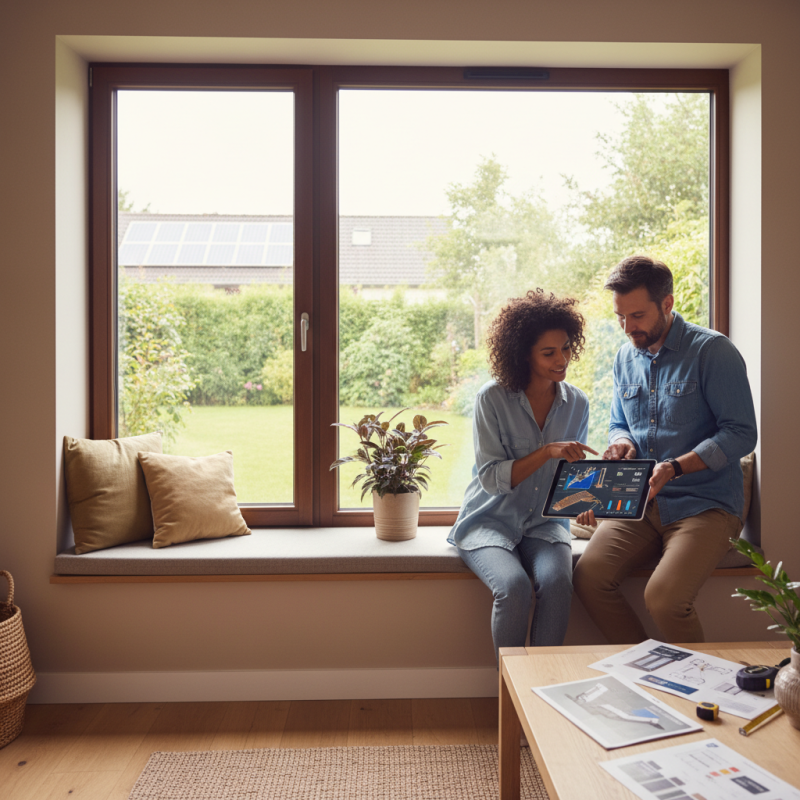
How To Choose Energy Efficient Windows For Homes in 2026?

What to Consider When Choosing Energy Efficient Windows in 2026

When choosing energy-efficient windows in 2026, consider various factors. Start with the window frame material. Common options include vinyl, wood, and fiberglass. Each has distinct benefits and drawbacks. Vinyl is low-maintenance but can warp. Wood offers better insulation but requires upkeep. Fiberglass is durable but pricier.

Next, focus on the glass type. Double or triple glazing is a must for energy efficiency. Low-emissivity (Low-E) coatings help reduce heat loss and control UV rays. Look for the Energy Star label to ensure they meet efficiency guidelines. However, keep in mind that not all Low-E coatings perform the same way in different climates.

Lastly, pay attention to installation. Poor installation can compromise even the best windows. Ensure that proper sealing is done to prevent drafts. Reflect on your home’s specific needs. Not every window type fits every climate. Evaluate your budget, local weather, and aesthetic preference to make a thoughtful choice.

Evaluating Window Frame Materials for Optimal Energy Efficiency

Choosing the right window frame material is crucial for energy efficiency. In 2026, homeowners should weigh options like vinyl, wood, and fiberglass. Each material has its pros and cons.

Vinyl windows are popular. They are affordable and provide good insulation. However, they can warp in extreme heat. A report from the Department of Energy suggests they lose efficiency over time.

Wood frames offer natural insulation but require maintenance. They are vulnerable to moisture damage, which can reduce lifespan.

Fiberglass is gaining attention for its durability. It is resistant to warping, shrinking, and swelling. This means better energy retention. A study by the National Renewable Energy Laboratory shows fiberglass lasts longer than wood and vinyl. Yet, the higher initial cost can deter some buyers. Homeowners must consider both short-term and long-term impacts when selecting window materials. Making an informed choice means balancing upfront costs with future energy savings.

Understanding the Impact of Insulation and Glazing on Energy Performance

When choosing energy-efficient windows, insulation and glazing are key factors. Insulation helps maintain a consistent indoor temperature. High-quality insulation can reduce heating and cooling costs. Look for windows with triple glazing for better performance. Triple-glazed windows have three layers of glass. This design significantly decreases heat transfer.

Tips: Opt for low-emissivity (Low-E) coatings. These coatings can reflect infrared light while allowing visible light in. This balance keeps homes bright without losing warmth in winter. Proper sealing around windows is equally important. Poor seals can lead to drafts and energy loss. Check for any gaps before installation.

The type of frame matters too. Wood frames have good insulation properties but require maintenance. Vinyl frames offer durability and low upkeep. Consider the climate when selecting materials. Reflect on how the local weather affects your choice. Every detail counts towards reducing energy consumption.

The Role of ENERGY STAR Ratings in Selecting Home Windows

Choosing energy-efficient windows is crucial for homeowners in 2026. The ENERGY STAR rating plays a vital role in this selection. It indicates how well a window can prevent heat loss and gain. According to the U.S. Department of Energy, replacing old windows with ENERGY STAR-certified ones can reduce energy bills by 7% to 15%.

ENERGY STAR ratings assess multiple factors, including insulation and solar heat gain coefficients. Windows with higher ratings can improve comfort, particularly in extreme climates. But not all ENERGY STAR windows perform equally. In colder regions, triple-pane glass may be necessary, while double-pane could suffice in milder climates. Homeowners must consider local weather patterns when making their choices.

However, the process can seem overwhelming. Not every consumer knows which features to prioritize. Some may overlook the importance of frame materials and installation methods. Windows are not a one-size-fits-all solution; each home is unique. It's essential to research and reflect on what fits your needs best. A poorly chosen window can lead to increased energy costs over time, negating any potential savings.

Comparing Cost vs. Energy Savings of Different Window Types

When considering energy-efficient windows, understanding cost versus savings is crucial. According to the U.S. Department of Energy, the right windows can save homeowners about $500 annually on energy bills. However, the upfront cost of energy-efficient windows can vary widely. A study by the National Renewable Energy Laboratory indicates that triple-pane windows, while more expensive initially, offer higher long-term savings compared to single-pane options.

Before making a choice, assess your local climate. Regions with extreme temperatures might benefit more from high-performance windows. For example, low-E coatings are effective in hot climates as they reflect heat. In colder areas, gas-filled windows can prevent heat loss.

Tips: Consider window placement to maximize sunlight in winter. This can minimize heating costs. Also, evaluate overall insulation. High-quality frames and seals can significantly boost energy savings. Ultimately, reflect on your budget and long-term goals. Investing in energy-efficient windows is a balance of immediate costs versus future savings. Adjust your choices based on your specific needs.

FAQS

: What should I consider when choosing window materials?

: Focus on materials like vinyl, wood, and fiberglass. Vinyl is low-maintenance but can warp. Wood provides insulation but requires upkeep. Fiberglass is durable but may be pricier.

How important is the type of glass used in windows?

Glass type is crucial. Double or triple glazing enhances energy efficiency. Low-emissivity coatings reduce heat loss and UV ray exposure.

What does the ENERGY STAR rating indicate?

The ENERGY STAR rating shows how well a window prevents heat loss and gain. It helps identify efficient windows that can lower energy bills.

Can energy-efficient windows really save me money?

Yes, replacing old windows with efficient ones can reduce energy bills by 7% to 15%. However, the upfront costs can vary.

How does climate affect window selection?

Each climate requires different window features. Extreme climates may need triple-pane glass, while milder climates might only require double-pane windows.

What role does installation play in window efficiency?

Proper installation is vital. Even the best windows perform poorly with bad sealing. Drafts can increase energy costs significantly over time.

How can I maximize energy savings with window placement?

Position windows to capture sunlight during winter. This can reduce heating costs while enhancing comfort.

Should I consider overall insulation in my home?

Yes, high-quality frames and seals boost energy efficiency. Reflect on your insulation for better long-term savings.

What should I reflect on when choosing windows?

Consider your budget, local weather, and aesthetic needs. Each home is unique, and there's no one-size-fits-all solution.

How might my choice of windows impact future costs?

A poorly chosen window can lead to increased energy bills over time. Ensure you assess your needs thoroughly before deciding.

Conclusion

In the quest to understand "How To Choose Energy Efficient Windows For Homes," it's essential to consider several key factors. First, the choice of window frame materials profoundly affects energy efficiency; options like vinyl, wood, and fiberglass each present unique benefits and drawbacks. Insulation and glazing also play crucial roles, with double or triple-pane windows offering improved thermal performance.

Additionally, ENERGY STAR ratings serve as a reliable benchmark for the energy efficiency of windows, guiding homeowners toward quality choices that meet stringent performance criteria. Lastly, when evaluating different window types, it's important to balance upfront costs with potential energy savings, ensuring a sound investment for long-term comfort and sustainability.

Oliver

Oliver

Oliver is a seasoned marketing professional with a wealth of expertise in driving brand awareness and engagement. With a deep understanding of our company's product offerings, he consistently delivers high-quality content that enriches our professional blog. His insights not only shed light on......