Fortress Windows
How To Improve Home Aesthetics With Stylish Windows begins with more than choosing attractive frames. Windows shape daylight, exterior character, privacy, and the emotional feel of every room. A narrow black window can sharpen a modern façade. A wide timber frame can make a dining room feel warmer. Glass placement also affects how residents experience gardens, streets, and changing weather.
Architect Le Corbusier famously said, “The history of architecture is the history of the struggle for light.” His words remain relevant in contemporary homes. Stylish windows should invite useful daylight without creating glare, overheating, or uncomfortable reflections. Experienced designers usually assess orientation, wall proportions, ventilation, energy performance, and local climate before recommending a style. These details matter.
Small choices count.
Slim sightlines may enlarge a view. Deep reveals can add shadow and architectural depth. Divided panes may provide charm, yet they can interrupt a beautiful landscape. That trade-off deserves honest discussion. A fashionable window is not automatically a successful window. Some large glass systems look impressive online but feel exposed beside a busy road. Others need more cleaning than homeowners expect.
Reliable planning also includes durable hardware, correct installation, suitable glazing, and realistic maintenance. Homeowners should compare tested products, warranty terms, and qualified installers. The best result balances appearance with comfort and long-term performance. It may not be perfect. That is acceptable. A thoughtful design can still feel personal, practical, and visually refined.
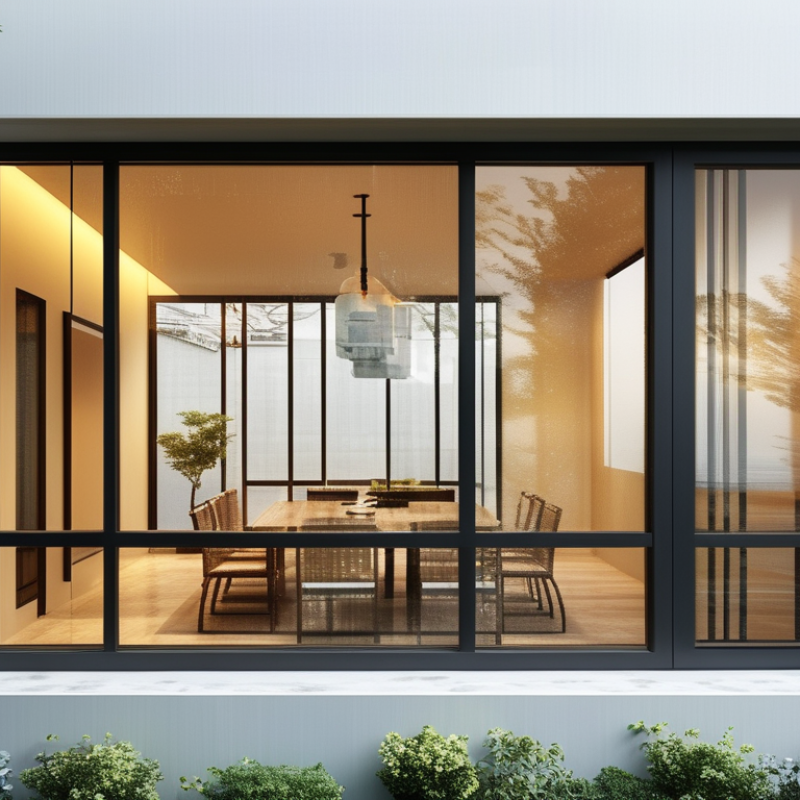
In Chinese homes, window style often follows climate, layout, and daily habits.
Sliding windows remain popular in apartments because they save space and open easily beside balconies.
Their clean frames suit modern interiors, although the opening area is limited.
Casement windows provide wider ventilation and a stronger seal against rain. I have found them especially useful in bedrooms and kitchens. Their outward movement, however, needs careful planning near narrow walkways.
Tilt-and-turn windows are increasingly chosen for flexible ventilation.
They can open inward fully or tilt slightly from the top. This design works well in high-rise homes where controlled airflow matters.
Bay windows add depth beside living rooms and create a bright reading corner. They also offer extra storage opportunities. Yet, large glass areas may bring heat in summer, so shading and suitable glazing deserve attention.
Picture windows offer broad outdoor views and a calm visual effect.
They are often paired with smaller opening sections for fresh air. Louvered windows appear in bathrooms and utility spaces because their angled slats support privacy and ventilation.
Aluminum frames, double glazing, and effective drainage can improve comfort and durability. Still, appearance should not lead every decision.
I once preferred a slim frame, but its weaker ventilation made the room less practical. A stylish window must fit the room, local weather, and the family’s real routines.
Stylish windows can reshape a home’s character from the street inward. In residential design reviews, balanced proportions often matter more than decorative details. Slim frames create wider views and bring daylight deeper into living spaces. However, oversized glass can make a room feel exposed. Not every large window works.
Frame color should relate to walls, flooring, and nearby exterior materials. Soft gray or warm bronze can reduce visual harshness in contemporary interiors. Wood-look finishes may add warmth without overwhelming simple furniture. Clear glazing supports bright rooms, while lightly tinted glass can soften strong afternoon sunlight. Low-reflective surfaces also help preserve outdoor views.
Good window design includes practical details. Narrow sightlines can improve elegance, but strong hardware and secure locking systems remain essential. Opening styles should match each room’s use. A wide sliding panel suits a garden-facing lounge, while an inward-opening casement may support better ventilation in a bedroom. Deep reveals can create subtle shadows around the frame. They need careful installation, though. Uneven joints can spoil an otherwise refined façade. Exterior colors should also respond to rooflines, paving, and surrounding landscape. A beautiful window may still look misplaced when its proportions ignore the building’s structure. Reflection is necessary. Visual appeal should never replace comfort, maintenance, or reliable performance.
Window materials and frames shape a home’s appearance more than many homeowners expect. In Chinese urban homes, slim aluminum frames create clean sightlines and make compact rooms feel more open. Wood frames add warmth, especially beside stone floors and soft lighting. uPVC frames offer a practical option for insulation, though their broader profiles may look less refined.
Material changes the atmosphere.
Glass matters too. Clear glass brings daylight into darker interiors, while low-emissivity glass can reduce heat transfer without greatly changing the view. In humid coastal areas, durable finishes and sealed joints help the window keep its appearance. A well-fitted frame also prevents drafts, water marks, and uneven edges that quickly damage a carefully designed room.
Frame color deserves careful testing. Deep gray can support modern furniture, while white frames keep small spaces visually lighter. Yet a computer image may mislead. I have seen a beautiful sample appear too cold beside warm wall paint. Check samples near the actual floor, curtains, and daylight. Proportions matter as much as color; oversized frames can dominate a narrow wall, while tiny openings may make a bright room feel closed.
Good design is not only visual. It balances maintenance, ventilation, insulation, and local weather. Hardware should open smoothly and remain easy to clean. Some minimalist frames look elegant but offer limited drainage or difficult repairs. That compromise deserves honest attention before installation.
How China Top Stylish Windows Improve Home Aesthetics?
Ways Stylish Windows Improve Natural Light and Visual Space
Stylish windows can make a room feel wider without changing its floor area. In my experience, taller glazing draws daylight deeper into narrow interiors. A low sill also keeps the outside view at eye level. This creates a softer connection between the room and garden, street, or sky. Bright corners matter.
Window position affects light more than decoration alone. South-facing openings may provide strong winter sunlight, while east-facing windows offer gentle morning brightness. Large glass surfaces can increase glare and indoor heat, though. Sheer curtains, exterior shading, and appropriate glazing help control these problems. A reflective floor can spread daylight, but it may also feel too harsh.
Slim frames improve the visible glass area and reduce visual interruption. However, thin frames are not automatically better. They must suit local weather, wall structure, ventilation needs, and cleaning access. During a renovation, accurate measurements prevent uneven reveals and unwanted drafts. I once saw a beautiful window lose much of its effect because nearby furniture blocked the lower glass. Good planning includes the whole room. Not just the window.
Stylish windows can sharpen a home’s appearance, but selection in China should begin with local performance needs. Northern homes require strong insulation against winter cold, while southern homes face heat, humidity, and heavy rain. Coastal apartments also need corrosion-resistant hardware and reliable drainage channels.
The International Energy Agency reported that building operations used about 30% of global final energy and produced 26% of energy-related emissions in 2023. This makes thermal performance more than a design preference. Compare the window’s U-value, solar heat gain coefficient, air leakage, and water resistance. Lower U-values usually reduce heat transfer, but excessive solar control may darken a naturally bright room. Test the balance.
Glass size changes comfort. Large south-facing panes can create afternoon glare and overheated floors. Low-emissivity glazing, suitable shading, and insulated frames can help. In noisy urban districts, laminated glass and careful sealing may matter more than decorative frame colors. China’s GB/T 8478-2020 standard provides a useful reference for window performance and quality requirements.
Installation deserves equal attention. A high-grade window can fail through uneven gaps, weak anchors, or poorly sealed joints. I have seen attractive frames lose comfort because installers ignored wall movement. The perfect window is mostly a marketing phrase. Check factory test records, site measurements, drainage paths, hardware cycles, and maintenance access before approving the final design. Small details often decide whether style remains practical after several rainy seasons.
| Selection Dimension | Practical Specification or Typical Range | Aesthetic Contribution | Best Application | What to Verify Before Purchase |
|---|---|---|---|---|
| Frame Material | Thermally broken aluminum, uPVC, or wood-aluminum composite; aluminum is commonly selected for slim contemporary profiles. | Creates a clean façade, narrow sightlines, and a coordinated appearance with modern architecture. | Modern apartments, villas, office conversions, and minimalist interiors. | Check profile depth, thermal-break design, coating specification, and resistance to coastal corrosion. |
| Glazing Configuration | Double glazing generally uses two panes with an insulating cavity; triple glazing adds a third pane for colder or noisier locations. | Large, uninterrupted glass areas make rooms appear brighter and visually more spacious. | Double glazing for most residential projects; triple glazing where higher insulation or sound control is required. | Confirm pane thickness, cavity width, gas fill, spacer type, and edge-seal quality. |
| Thermal Performance | Lower whole-window U-value indicates less heat transfer; the target should match the local climate and applicable building requirements. | Reduces condensation and helps interior finishes, curtains, and furniture remain visually consistent. | Important in both cold northern regions and air-conditioned southern regions. | Request the whole-window U-value rather than glass-only performance; verify test conditions and calculations. |
| Solar Heat Control | Low-emissivity coatings and solar-control glass can reduce unwanted solar heat while maintaining daylight. | Helps prevent excessive glare and fading of floors, artwork, fabrics, and decorative surfaces. | South- and west-facing façades, high-rise homes, and warm or sunny climates. | Compare solar heat gain coefficient, visible light transmittance, and the orientation of each opening. |
| Visible Light Transmittance | Clear glass usually provides more daylight than heavily tinted or strongly reflective glass; the exact value depends on the glazing build-up. | Supports a bright, open interior and improves the visual connection with gardens, streets, or city views. | Living rooms, kitchens, studios, and spaces that rely on natural light. | Review the visible transmittance value and inspect a full-size sample in daylight. |
| Acoustic Insulation | Laminated acoustic glass, different pane thicknesses, and airtight installation can improve traffic-noise control. | A quieter room makes premium finishes and carefully designed interiors feel more comfortable and refined. | Homes near roads, railways, airports, schools, or dense commercial areas. | Ask for the tested sound-reduction rating of the complete window, not only the glass. |
| Opening Style | Casement, tilt-and-turn, sliding, folding, fixed, and awning windows each provide different ventilation and space requirements. | The hardware layout and sightline pattern can reinforce traditional, industrial, or minimalist design themes. | Casement for airtightness, sliding for limited space, and fixed units for uninterrupted views. | Check opening clearance, emergency access, ventilation needs, drainage, and child-safety requirements. |
| Colour and Surface Finish | Common choices include matte, textured, anodized, and powder-coated finishes; light and dark colours have different heat-absorption characteristics. | Coordinates window frames with façades, wall colours, flooring, furniture, and exterior materials. | All home styles, provided the finish is selected with the surrounding materials. | Compare physical samples, confirm colour consistency, and verify exterior weathering performance. |
| Airtightness and Water Control | Multiple seals, compression gaskets, drainage paths, and correctly installed flashing are essential for weather resistance. | Prevents staining, damp marks, mould growth, and deterioration around stylish interior finishes. | Especially important for exposed façades, high-rise buildings, and regions with heavy rainfall or typhoons. | Review air-leakage and water-penetration test results and inspect the installation details on site. |
| Safety and Security Glass | Tempered glass is designed to break into smaller fragments; laminated glass remains bonded to an interlayer after breakage. | Allows expansive glazing while supporting safer, cleaner-looking designs in occupied areas. | Bathrooms, doors, low-level glazing, balconies, and large panels. | Confirm safety-glazing requirements, impact risks, guardrail provisions, and hardware load limits. |
| Maintenance and Service Life | Durable finishes, replaceable gaskets, accessible drainage, and corrosion-resistant hardware simplify long-term care. | Well-maintained frames and clear glass preserve the original visual quality of the home. | Suitable for both new construction and renovation projects where long-term appearance matters. | Confirm cleaning access, spare-part availability, warranty coverage, maintenance instructions, and installation responsibility. |
Note: Performance depends on the complete window assembly, glass configuration, local climate, building orientation, and installation quality. Verify project-specific values through independent test reports and applicable local building requirements.
: Slim frames reveal more glass and reduce visual interruption. Taller windows can draw daylight deeper into narrow rooms. Bright corners matter.
Aluminum frames create clean sightlines in compact rooms. Wood frames add warmth beside stone floors and soft lighting. uPVC can support insulation, but wider profiles may look less refined.
Compare samples beside the actual floor, curtains, walls, and daylight. Deep gray suits modern furniture, while white keeps small rooms lighter. Samples can lie.
Large glass can increase daylight and outdoor views. It may also cause glare, indoor heat, or privacy concerns. Not every large window works.
Clear glass brightens darker interiors and preserves outdoor views. Lightly tinted or low-emissivity glass can soften sunlight and reduce heat transfer.
South-facing windows may receive strong winter sunlight. East-facing windows often provide gentler morning light. A low sill keeps views near eye level.
A wide sliding panel works well beside a garden-facing lounge. An inward-opening casement can support bedroom ventilation. Choose based on daily use.
Uneven joints, deep reveals, and poor measurements can spoil a refined façade. Sealed joints also help prevent drafts, water marks, and damaged finishes. Small errors show.
No. Strong hardware, secure locks, drainage, ventilation, insulation, and cleaning access remain important. A minimalist frame may look elegant but create difficult repairs. That compromise deserves reflection.
Stylish windows play an important role in shaping the appearance and atmosphere of Chinese homes. Common choices include large sliding windows, casement windows, bay windows, floor-to-ceiling designs, and traditional-inspired styles. Their proportions, opening direction, glass layout, colors, and frame details can create a clean modern look, a warm classic feeling, or a balanced connection between indoor and outdoor spaces. How To Improve Home Aesthetics With Stylish Windows depends on selecting designs that complement the building’s structure and interior decoration.
Window materials and frame finishes also influence visual quality, while slim profiles and expansive glass areas can make rooms feel brighter, more open, and visually spacious. In addition to appearance, homeowners should consider local climate, insulation, ventilation, privacy, safety, maintenance, and installation conditions. By combining attractive design with practical performance, stylish windows can enhance natural light, strengthen the relationship between interior and exterior areas, and create a more comfortable and harmonious home environment.
