When considering how to maintain doors and windows for a long lifespan, many homeowners overlook the vital role of proper care and maintenance. According to a report by the American Architectural Manufacturers Association, well-maintained windows and doors can last over 30 years. However, neglecting their upkeep can drastically reduce this lifespan. Regular inspections and informed care routines are essential for optimizing function and durability.
Factors such as climate, materials, and installation significantly influence the longevity of doors and windows. For instance, wooden doors require regular sealing and treatment to prevent water damage. In contrast, vinyl windows need minimal maintenance but can suffer from UV exposure. A targeted approach, rooted in professional guidelines, can mitigate common issues and enhance performance.
Yet, many still face challenges in upkeep. Lifestyle, budget constraints, or lack of knowledge can lead to overlooked maintenance tasks. This negligence may result in costly repairs or premature replacements. Balancing practical maintenance with everyday life is crucial for achieving the longevity you desire. By understanding and implementing effective strategies, homeowners can significantly extend the life of their doors and windows.
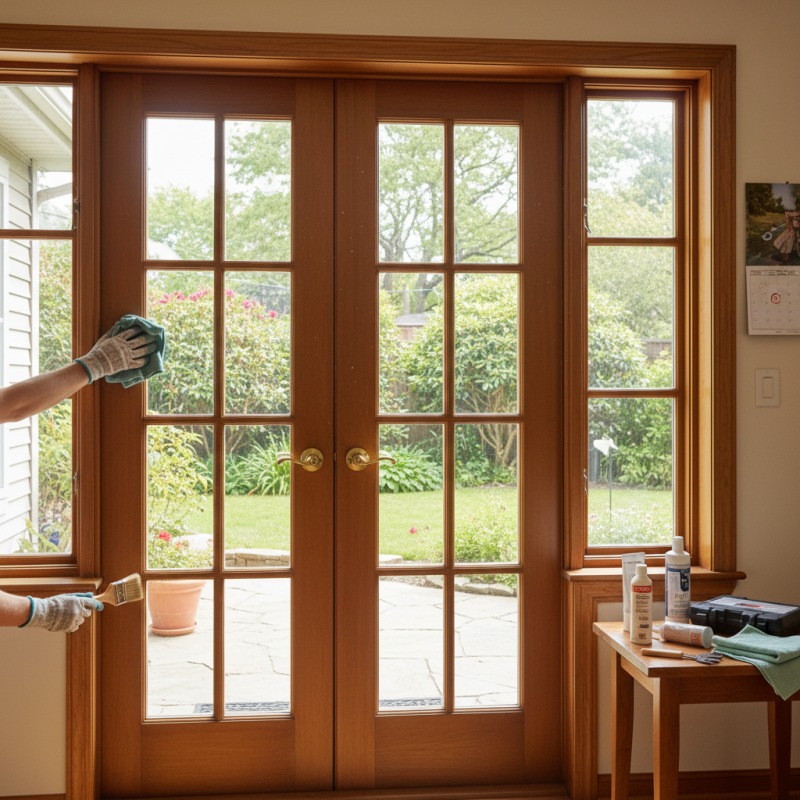
Choosing Durable Materials for Doors and Windows
When selecting materials for doors and windows, durability is crucial. Wood, PVC, and aluminum each have their strengths. Wood offers a classic look but may require regular maintenance to prevent rot. PVC is low-maintenance and resistant to moisture but can fade over time. Aluminum frames are strong and lightweight, yet they can conduct heat, which can be a drawback in extreme climates.
It's essential to consider environmental factors. In humid or coastal areas, choose rust-resistant materials. In regions with severe winters, insulating properties are vital. Sometimes, a combination of materials works best. For instance, wood-clad windows provide insulation while showcasing wooden aesthetics.
Beyond the type of materials, installation matters. Properly sealed doors and windows can prevent air leaks. Even the best materials won’t perform well if installed incorrectly. Take time to research your options. Seek input from professionals but stay informed. Mistakes in material choice or installation result from overlooking small details. Always double-check specifications and ask questions to ensure long-lasting performance.
Regular Maintenance and Inspection Practices
Regular maintenance and inspection are key to extending the lifespan of doors and windows. According to a report from the National Association of Home Builders, well-maintained windows can last over 20 years, while doors can last even longer with proper care. Regularly checking for signs of wear and tear can prevent costly repairs and replacements later on.
Pay attention to minor issues before they escalate. Check for cracks in frames, gaps, or peeling paint. Moisture damage can quickly compromise structural integrity. Use tools like a moisture meter to assess potential issues. Conduct inspections at least twice a year. This proactive approach helps identify problems early.
Tips: Clean door and window tracks to avoid buildup. Apply caulk to gaps as needed. Regular lubrication of hinges and locks can prevent rust and ensure smooth operation. Keeping your frames painted or stained protects against the elements. Remember, a small crack overlooked today may lead to bigger expenses tomorrow.
Proper Installation Techniques to Enhance Longevity
Installing doors and windows properly is crucial for enhancing their lifespan. Correct alignment during installation prevents gaps that can lead to moisture entry. Moisture can warp materials over time, causing serious damage. Use high-quality seals and caulking to protect against air and water leaks. Remember that even a small error can diminish overall durability.
Selecting the right materials is equally important. Wooden frames may need additional treatment for weather resistance. Metal frames can rust if not properly coated. Check local climate conditions to choose the best materials for your area. Some people overlook the importance of ventilation, which can prolong the life of both doors and windows. Proper airflow reduces humidity buildup.
Make sure you regularly inspect the installations. Look for signs of wear and functionality. Address issues immediately to prevent bigger problems. It is easy to overlook small cracks or peeling paint. However, these can lead to significant damage if ignored. Maintaining a consistent routine can help keep your doors and windows in top shape. Experience shows that small efforts pay off in the long run.
How To Ensure Long Lifespan For Doors And Windows? - Proper Installation Techniques to Enhance Longevity
| Installation Technique |
Impact on Longevity |
Recommended Tools |
Maintenance Tips |
| Proper Framing |
Ensures structural stability and reduces warping |
Level, Square, Fasteners |
Inspect framing for shifts over time |
| Weatherproofing |
Prevents moisture damage and draft |
Weatherstripping, Caulk |
Check seals annually; replace as needed |
| Correct Sizing |
Avoids gaps; minimizes air leakage |
Tape Measure, Saw |
Ensure proper fit during installation |
| Proper Sealing |
Protects against drafts and weather |
Sealant, Expanding Foam |
Reapply sealant every few years |
| Quality Hardware |
Ensures functionality and reduces wear |
Hinges, Locks |
Lubricate moving parts regularly |
| Regular Inspections |
Identifies problems early |
Inspection Checklist |
Conduct inspections twice a year |
Protective Measures Against Weather and Environmental Factors
Protecting doors and windows from harsh weather and environmental factors is crucial for longevity. Studies suggest that nearly 40% of door and window failures result from weather-related damage. This highlights the need for effective protective measures.
One common issue is moisture infiltration. Rain and humidity can lead to rot and corrosion. Homeowners should regularly inspect seals and caulking. These small areas often reveal larger problems. For example, wood doors can deteriorate quickly if not treated with weather-resistant finishes. Applying a high-quality sealant can extend their lifespan significantly.
UV exposure is another concern. Prolonged sunlight can fade colors and weaken materials. Installing UV-blocking films or using tinted glass can protect windows. Options exist for low-emissivity (Low-E) coatings, which reflect heat without compromising light. Such improvements can reduce energy costs, but they might require a budget rethink. Regular maintenance efforts, like cleaning the surfaces and checking hardware, also contribute to their durability. Ignoring these routines can lead to costly replacements over time.
Utilizing Quality Hardware and Accessories for Better Performance
When choosing hardware and accessories for doors and windows, quality truly matters. Good materials can significantly influence performance. For instance, solid brass hinges last longer than their cheaper counterparts. Also, consider the weather stripping. High-quality weather stripping prevents drafts, enhancing energy efficiency.
Pay attention to installation as well. Even the best hardware will fail if not fitted correctly. Misaligned doors may cause wear and tear. It’s important to follow manufacturer guidelines carefully. Using the wrong screws or placements can lead to unintended problems down the road.
Reflecting on experiences can be valuable. Have you ever had to replace hardware due to poor choices? It’s frustrating and costly. Investing in reliable accessories today can save headaches tomorrow. Quality isn’t just a luxury; it ensures functionality and longevity. Your doors and windows deserve the best, and so do you.
Durability Ratings of Different Types of Windows and Doors
Conclusion
To ensure the longevity of doors and windows, it's essential to follow several key practices. First, choosing durable materials is crucial; materials like high-quality wood, fiberglass, or vinyl can withstand wear and tear over time. Regular maintenance and inspection are needed to identify potential issues early. This includes checking for cracks, loose fittings, and signs of wear. Proper installation techniques are also vital, as they ensure that doors and windows function effectively and are less susceptible to damage.
Additionally, protective measures against weather and environmental factors, such as applying sealants and paint, can significantly extend lifespan. Utilizing quality hardware and accessories enhances performance, making it easier to maintain doors and windows over time. Overall, understanding "How To Maintain Doors And Windows For Long Lifespan" involves integrating these strategies, ensuring that your investments remain functional and aesthetically pleasing for years to come.
 Fortress Windows
