Fortress Windows Fortress Windows

Top 10 Ways to Enhance Natural Ventilation in Homes?

Time:2026-06-30 Author:Aria
0%

Natural ventilation is essential for healthy homes. It allows fresh air to flow inside while removing stale air. Properly ventilated spaces reduce humidity, improve air quality, and enhance comfort. Many homeowners wonder how to improve natural ventilation in homes effectively.

Enhancing airflow can be challenging, especially in tightly sealed houses. Simple adjustments can make a significant difference. For example, strategically placing windows and vents allows for better cross-ventilation. The orientation of the house can also influence airflow patterns. These factors may seem minor, but they play a crucial role in your home's overall ventilation.

However, each home is unique, and what works for one may not work for another. Experimenting with different approaches is key. Maintaining a balance between ventilation and energy efficiency is also vital. An effective ventilation strategy can lead to a fresher, healthier living environment. It’s worth considering both your home's design and your family's needs.
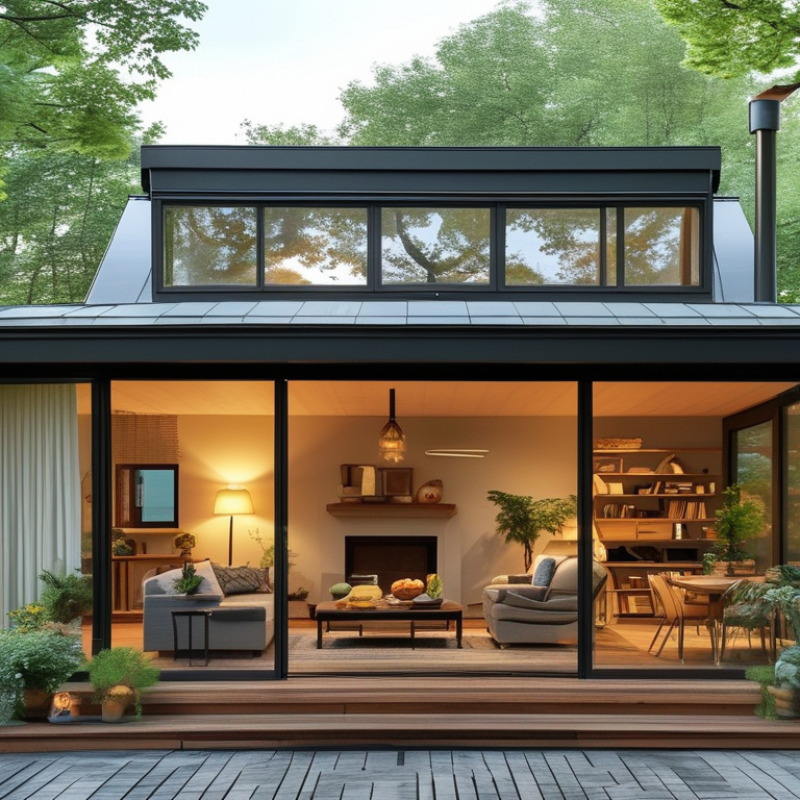
Top 10 Ways to Enhance Natural Ventilation in Homes?

Identify Key Areas for Natural Ventilation in Your Home

Natural ventilation can significantly improve indoor air quality and reduce energy consumption. One of the essential areas to focus on is window placement. Properly positioned windows create a cross-breeze that can cool your space. Research shows that homes with well-placed windows can reduce cooling costs by up to 30%. This makes it vital to identify optimal locations for these openings.

Another key area is the use of vents and skylights. Vents can allow warm air to escape, reducing heat buildup. Skylights not only provide natural light but also enhance airflow. A study by the American Society of Heating, Refrigerating and Air-Conditioning Engineers found that incorporating skylights can lower reliance on artificial lighting and HVAC systems. However, it's important to consider the type and size of vents and skylights to avoid potential air leakage issues, which can counteract the benefits of natural ventilation.

Creating a flow path for air is crucial. This involves arranging furniture to not obstruct airflow. Additionally, using shades or reflective materials can help manage heat while still allowing for ventilation. While these strategies can enhance airflow, they require careful planning and adjustment. Homeowners should regularly assess their spaces for any blocks and inefficiencies. The outdoor environment can also play a role; ensuring that plants and trees are not obstructing the flow is essential for effective natural ventilation.

Use Effective Window Designs to Maximize Airflow

Effective window designs are crucial for maximizing natural ventilation in homes. According to the American Society of Heating, Refrigerating and Air-Conditioning Engineers (ASHRAE), strategically placed windows can improve airflow by up to 30%. This is essential for maintaining indoor air quality and thermal comfort.

Awning and casement windows can be particularly beneficial. They allow for better cross-ventilation, as they can be opened wider than traditional sliding windows. Even small openings can create significant draft paths, enhancing air movement. A study by the International Journal of Ventilation highlights that well-designed window placements can reduce reliance on mechanical cooling systems by as much as 25%.

Additionally, window sizing plays an important role. Larger windows are not always better. Oversized windows can lead to heat gain in warmer climates. Proper shading can help balance natural light and heat. However, many homes overlook this basic principle, leading to uncomfortable indoor environments. Effective window design demands careful consideration of local climate and orientation.

Incorporate Adjustable Ventilation Features for Flexibility

Adjustable ventilation features are essential for enhancing natural airflow in homes. One effective way to achieve this is by installing operable windows. These windows allow homeowners to open them to different degrees based on weather conditions. They can be fully opened on warm days or cracked slightly in the rain for fresh air without wetting the interior. This flexibility helps maintain comfort while maximizing air exchange.

Another option includes adding adjustable vents or grilles. These can be installed in strategic locations, such as near the ceiling or floor, to control airflow. Homeowners can open or close these vents depending on their needs. It’s a simple yet effective solution for managing indoor air quality and temperature.

Consider incorporating features like adjustable louvers on sunshades or awnings. These can direct air into specific areas of the house. However, it’s important to regularly assess their effectiveness. Sometimes, a balance between direct sunlight and airflow may not be ideal. Flexibility in design choices can lead to better comfort and energy efficiency, but it requires ongoing evaluation.

Enhance Air Quality with Strategic Plant Placement

Enhancing indoor air quality can be achieved through strategic plant placement. According to a study by NASA, certain houseplants can remove up to 87% of indoor air toxins in just 24 hours. This demonstrates the powerful impact of greenery in our living spaces.

Choose plants that thrive in your home's light conditions. Spider plants, for instance, are resilient and effective at filtering formaldehyde. However, they require proper watering. Overwatering can lead to root rot, diminishing their air-purifying potential.

Tips: Group plants together to create a microenvironment. This can help boost humidity levels naturally. Additionally, regularly dust your plants to ensure they can photosynthesize effectively.

Consider placing plants in areas with high pollutant exposure, such as near cooking spaces. Ferns, like Boston ferns, excel in such spots but can be finicky with humidity. Monitor their environment closely to ensure they thrive.

Another important aspect is plant placement height. Tall plants can improve air circulation while enhancing aesthetic appeal. Remember, the ideal indoor garden combines both beauty and functionality. Be mindful, though; not all plants are pet-friendly. Always check their safety if you have animals in your home.

Top 10 Ways to Enhance Natural Ventilation in Homes

Method Description Effectiveness (%) Ideal Plant Type
Cross Ventilation Creating airflow by placing openings on opposite walls 85% Ficus
Window Placement Strategically positioning windows for optimal airflow 90% Spider Plant
Ceiling Fans Utilizing fans to circulate air and enhance cooling 75% Peace Lily
Natural Ventilation Systems Integrating designed systems to enhance airflow 80% Bamboo
Patio Doors Using wide openings to connect indoor and outdoor air 70% Areca Palm
Ventilation Louvers Installing adjustable louvers for directed airflow 65% Rubber Plant
Open Staircases Designing open stairs to facilitate air movement 75% Pothos
Transom Windows Installing windows above doors for added ventilation 70% Philodendron
Roof Vents Creating vents in the roof for hot air to escape 80% English Ivy
Seasonal Plant Rotations Changing plants according to seasons for optimal air quality 60% Seasonal Blooms

Utilize Architectural Elements to Promote Cross-Ventilation

Creating a home with effective cross-ventilation is essential for maintaining indoor air quality. Architectural features play a vital role in enhancing this natural airflow. According to a study by the American Society of Heating, Refrigerating and Air-Conditioning Engineers, proper ventilation can reduce indoor pollutants by up to 30%. Implementing strategic window placements can capitalize on prevailing winds.

Tips: Consider using large, operable windows that can open wide. This allows more air to flow through. Aim for windows directly across from each other. This creates a draft, facilitating airflow.

Incorporating architectural overhangs is another way to enhance cross-ventilation. They can shield windows from direct sun, cooling indoor spaces while still allowing air circulation. According to research from the Building Research Establishment, well-placed overhangs can reduce reliance on mechanical cooling by 15%.

Tips: Use bifold doors to open up entire walls. This expands passageways for air exchange. Choose high ceilings to encourage hot air to rise, promoting an upward airflow. Incorporate vents in strategic locations to facilitate movement and exchange of air.

Top 10 Ways to Enhance Natural Ventilation in Homes

FAQS

: What is natural ventilation?

: Natural ventilation improves indoor air quality and reduces energy consumption through airflow without mechanical systems.

How can window placement affect cooling costs?

Properly placed windows create a cross-breeze, potentially reducing cooling costs by up to 30%.

What role do vents and skylights play in natural ventilation?

Vents allow warm air to escape, while skylights enhance light and airflow, reducing reliance on artificial light.

How should furniture be arranged for optimal airflow?

Arrange furniture to avoid obstructing airflow. This ensures effective natural ventilation throughout the space.

Why is it important to consider the outdoor environment?

Outdoor plants and trees can block airflow. Ensuring they are positioned correctly is vital for effective ventilation.

What are adjustable ventilation features?

Adjustable features, like operable windows, allow control over airflow based on weather, improving indoor comfort.

How do adjustable vents or grilles work?

These can be opened or closed to control airflow. They're essential for managing indoor air quality and temperature.

What is the benefit of adjustable louvers on sunshades?

They can direct air into specific areas of the house, enhancing comfort while balancing sunlight and airflow.

How often should ventilation features be assessed?

Homeowners should regularly evaluate the effectiveness of ventilation features for optimum indoor air quality and comfort.

What challenges might arise with airflow strategies?

Sometimes, a balance between sunlight and airflow might not be ideal, requiring adjustments for improved efficiency.

Conclusion

To improve natural ventilation in homes, it is crucial to identify key areas where air can flow freely. This involves strategically locating windows and openings to maximize airflow. Effective window designs, such as those that can be opened wide or positioned for cross-ventilation, play a vital role in enhancing this process. Furthermore, incorporating adjustable ventilation features allows homeowners to control airflow based on changing weather conditions, adding flexibility to their ventilation strategy.

In addition to structural elements, enhancing air quality can be achieved through the strategic placement of plants, which not only contribute to aesthetics but also improve indoor air quality. Utilization of architectural elements, such as overhangs or vents, can further promote cross-ventilation, ensuring a continual exchange of fresh air. By considering these aspects, homeowners can significantly enhance natural ventilation, creating a more comfortable and healthier living environment.

Aria

Aria

Aria is a dedicated marketing professional with a deep passion for innovative strategies and a keen understanding of our company's product offerings. With a wealth of experience in the industry, Aria excels at crafting engaging content that highlights the unique features and benefits of our......