Fortress Windows Fortress Windows

How To Enhance Building Thermal Performance Effectively?

Time:2026-08-04 Author:Amelia
0%

Enhancing building thermal performance is essential for energy efficiency and occupant comfort. In an era of rising energy costs and climate change challenges, understanding how to improve thermal performance in buildings is critical. Proper insulation, window placement, and material selection play a key role in optimizing thermal management.

Building design must consider local climates and environmental influences. Many existing structures, however, fall short of meeting modern performance standards. This gap presents opportunities for property owners to reflect on areas needing improvement. Energy audits can pinpoint weaknesses in thermal integrity, revealing where investments can yield significant benefits.

Stakeholders, from architects to engineers, must collaborate effectively. Their expertise can guide sustainable solutions, ensuring that strategies are both practical and innovative. While perfect thermal performance may be an elusive goal, continuous efforts to refine approaches can lead to substantial progress in energy conservation and environmental impact.
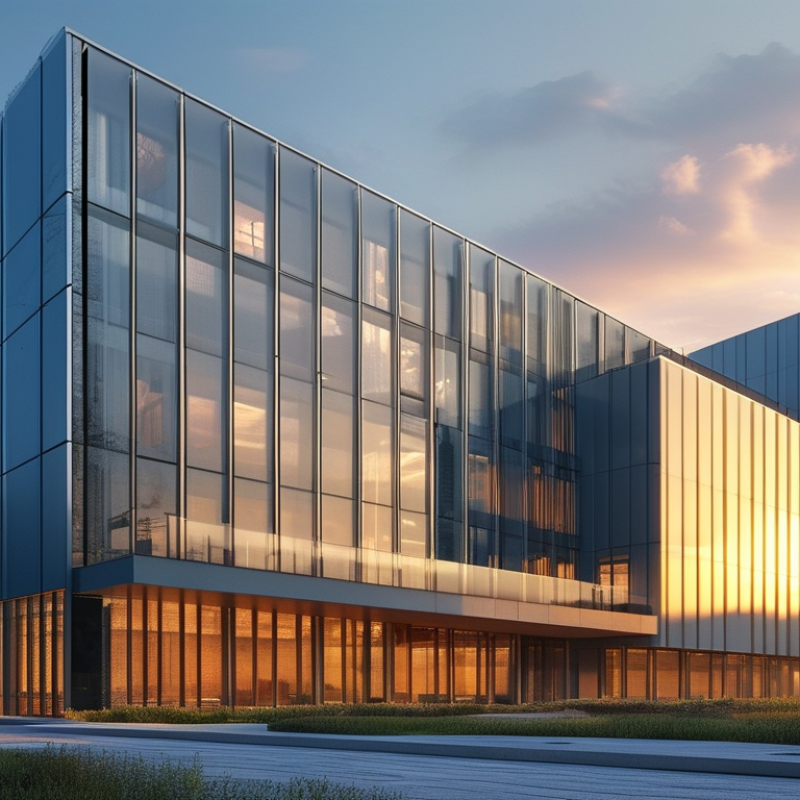
How To Enhance Building Thermal Performance Effectively?

Understanding Building Thermal Performance Principles

Understanding building thermal performance is essential for creating comfortable living spaces. Proper insulation plays a crucial role in regulating indoor temperatures. It minimizes heat loss during winter while keeping interiors cool in summer. Understanding how insulation works can improve energy efficiency.

Tips: Consider using a combination of materials for better results. For instance, combining fiberglass with cellulose can provide superior thermal resistance. Evaluate your current materials to ensure they meet modern standards.

The orientation of a building influences its thermal performance. South-facing windows can capture more sunlight, reducing heating needs. However, excessive sunlight can lead to overheating. Installing shades or using reflective films can help manage heat effectively.

Tips: Regularly inspect windows and doors for drafts. Sealing leaks can significantly improve thermal comfort. Small adjustments can lead to substantial energy savings over time. Reflection on these elements can drive better design choices in future projects.

Insulation Materials and Their Impact on Thermal Efficiency

Insulation materials play a crucial role in enhancing thermal efficiency in buildings. They reduce heat transfer, maintaining comfortable indoor temperatures. The choice of insulation, whether fiberglass, cellulose, or foam, can significantly impact energy consumption. Proper installation also matters. Gaps and compression can diminish their effectiveness. Many homeowners overlook this aspect, leading to wasted energy.

The R-value measures an insulation material's resistance to heat flow. A higher R-value indicates better insulation performance. However, not all high R-value materials are suitable for every climate. Local weather conditions should influence material selection. Inadequate insulation can lead to cold drafts or excessive heat in summer. This often results in higher energy bills and discomfort.

While aesthetic considerations are important, prioritizing thermal performance is crucial. Some materials may be more environmentally friendly but less effective thermally. This conundrum challenges builders and architects. Finding the right balance can lead to better sustainability and energy savings. Awareness of these trade-offs is essential for making informed decisions in insulation selection.

Ventilation Strategies for Optimizing Indoor Climate Control

Ventilation plays a crucial role in optimizing indoor climate control. Effective ventilation strategies can significantly enhance building thermal performance. One common method is natural ventilation, which uses wind pressure and temperature differences to circulate air. This technique can be cost-effective and energy-efficient, but it relies heavily on outdoor climate conditions.

Mechanical ventilation is another popular approach. It involves using fans and duct systems to manage indoor air quality. This method ensures consistent airflow, regardless of outdoor conditions. However, it can lead to increased energy consumption if not managed effectively. Balancing mechanical systems with energy recovery ventilators can help mitigate this issue.

Every building poses unique challenges. It’s essential to assess specific needs and limitations. Poorly designed ventilation can lead to discomfort and inefficiencies. Regular maintenance is vital for any system to ensure optimal performance. Engaging with experts can provide valuable insights tailored to individual building designs.

Integrating Renewable Energy Sources for Enhanced Building Thermal Performance

Integrating renewable energy sources can significantly enhance a building's thermal performance. Research shows that buildings account for nearly 40% of global energy consumption. By utilizing solar panels, wind turbines, or geothermal systems, it is possible to reduce reliance on non-renewable energy. In fact, solar energy can decrease heating costs by up to 50% in specific climates.

Moreover, the integration of renewable energy can improve indoor air quality. By using electric heating systems powered by renewables, buildings can reduce pollutants that traditional heating methods often emit. A report by the International Energy Agency notes that homes equipped with energy-efficient technologies can see energy savings of around 30%. This is a critical step toward sustainability.

However, challenges exist. Many building managers may lack expertise in renewable systems. This gap can hinder effective implementation. Additionally, local ordinances may restrict the installation of certain technologies. It’s essential to navigate these obstacles thoughtfully to ensure long-term benefits. Transitioning fully to renewable energy sources requires careful planning and commitment. Each project will have unique circumstances that need to be addressed.

How To Enhance Building Thermal Performance Effectively? - Integrating Renewable Energy Sources for Enhanced Building Thermal Performance

Dimension Description Performance Improvement (%)
Solar Panels Utilizing photovoltaic systems to generate electricity from solar energy. 25%
Green Roofs Installing vegetation on rooftops to enhance insulation and reduce heat absorption. 30%
Energy-efficient Windows Replacing traditional windows with double or triple-glazed insulated glass. 20%
Wind Turbines Harnessing wind energy to supplement building electricity usage. 15%
Insulation Improvements Enhancing wall and roof insulation to minimize thermal loss. 40%

Implementing Smart Building Technologies for Energy Efficiency

Implementing smart building technologies can significantly improve energy efficiency. These systems optimize heating, cooling, and lighting. They utilize sensors and automation to adapt to real-time conditions. For instance, smart thermostats learn occupancy patterns and adjust temperature accordingly. This reduces energy waste and enhances user comfort.

IoT devices also play a vital role. They monitor energy consumption and environmental quality. Data analytics helps identify inefficiencies. Building managers can make informed decisions based on actionable insights. However, integrating these technologies poses challenges. Not all buildings may accommodate such upgrades easily. Existing systems often lack compatibility with newer solutions.

Incorporating smart solutions requires careful planning. Training staff to use these technologies is essential. Upfront costs can be high, yet long-term savings are often worth it. Continuous assessment of system performance is crucial. Building occupants' feedback can reveal areas needing improvement. This iterative process can lead to optimal energy use and better building performance.

FAQS

: Why is understanding building thermal performance important?

: It creates comfortable living spaces and improves energy efficiency through proper insulation.

How does insulation affect indoor temperatures?

It minimizes heat loss in winter and keeps interiors cool in summer.

What materials can enhance thermal resistance?

A combination of fiberglass and cellulose provides superior insulation effects.

How does the orientation of a building impact thermal performance?

South-facing windows capture more sunlight, reducing heating needs but may cause overheating.

What can help manage excessive sunlight in buildings?

Installing shades or using reflective films mitigates heat effectively.

What is natural ventilation?

It uses wind pressure and temperature differences for air circulation, relying on outdoor conditions.

How does mechanical ventilation differ from natural ventilation?

It uses fans for consistent airflow but may increase energy consumption.

Why is regular maintenance crucial for ventilation systems?

It ensures optimal performance and helps avoid discomfort and inefficiencies.

What role does smart building technology play?

It optimizes heating, cooling, and lighting for improved energy efficiency.

What challenges arise when implementing smart building technologies?

Existing systems may not easily accommodate new technologies, requiring careful planning and integration.

Conclusion

To effectively address the issue of "How To Improve Thermal Performance In Buildings," it's essential to comprehend the fundamental principles of building thermal performance. Employing high-quality insulation materials significantly enhances thermal efficiency, reducing energy consumption and maintaining comfortable indoor conditions. Moreover, strategic ventilation methods play a critical role in optimizing indoor climate control, ensuring adequate air quality while minimizing heat loss.

Integrating renewable energy sources further contributes to improved thermal performance by reducing reliance on conventional energy systems. Additionally, the implementation of smart building technologies enables real-time monitoring and management of energy consumption, leading to substantial improvements in overall energy efficiency. By combining these strategies, building owners and developers can create high-performance environments that are both comfortable and sustainable.

Amelia

Amelia

Amelia is a seasoned marketing professional with a wealth of expertise in our company’s core offerings. With an unwavering passion for driving growth and innovation, she plays a pivotal role in shaping our marketing strategies and enhancing brand visibility. A key aspect of her responsibilities......