 Fortress Windows
Fortress Windows
Fortress Windows
When it comes to energy efficiency, selecting the right windows is crucial. Homeowners often ask, "How To Choose Windows For Energy Saving Homes?" In 2026, energy-saving windows have evolved significantly. New technologies and materials offer improved insulation and energy performance. Yet, choosing the right windows can feel overwhelming.
Several factors play into this decision. Consider the climate in your area. Different windows perform better in various conditions. The type of glass, frame materials, and design features matter a lot. Understanding these details can help save on energy bills and enhance comfort.
Remember, it’s not just about the cost. Poor choices can lead to drafts and increased energy use. Therefore, every decision must be thoughtful. Explore reliable sources and expert reviews to ensure your selections are sound. Making informed decisions today can lead to significant benefits tomorrow. Investing in the right windows really matters.
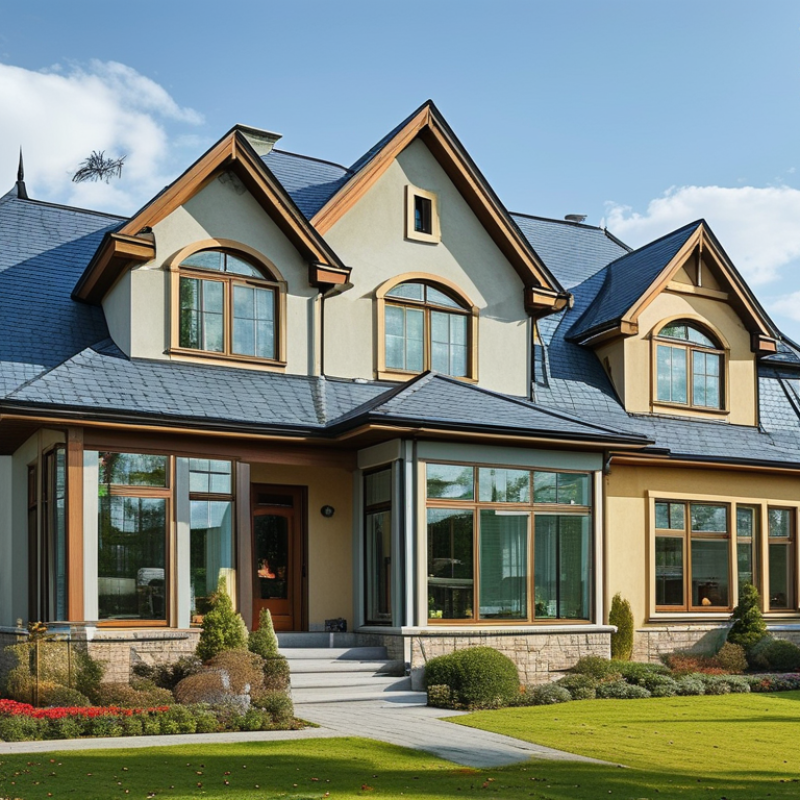
When considering energy-saving windows for your home in 2026, the benefits are numerous. These windows help reduce energy costs significantly. Homeowners can save 15 to 30% on heating and cooling bills. How? Energy-efficient windows provide better insulation. They keep the hot air out in summer and retain heat in winter. This comfort translates to fewer monthly expenses.
Beyond monetary savings, energy-saving windows enhance comfort. They minimize drafts and temperature fluctuations. Homeowners feel more stable indoor temperatures. Additionally, these windows can filter UV rays. This protects furniture and flooring from fading. Many people desire a brighter home, but not at the cost of their belongings.
There are challenges to consider. Not all energy-efficient options fit every home. Choosing the right style and installation method is crucial. Improper installation can lead to leaks and inefficiency. Therefore, expert consultation is valuable. Homeowners should weigh durability, aesthetics, and climate suitability. The ideal choice requires careful thought and planning.
| Benefit | Description | Expected Savings (% per year) | Additional Value (USD) |
|---|---|---|---|
| Energy Efficiency | Reduces heating and cooling costs through better insulation. | 20-30% | $200 - $500 |
| UV Protection | Blocks harmful UV rays to protect interiors, reducing fading. | N/A | $100 - $300 |
| Noise Reduction | Minimizes outside noise for a quieter home environment. | N/A | $150 - $400 |
| Increased Home Value | Improves resale value and buyer appeal. | N/A | Up to $5,000 |
| Condensation Reduction | Minimizes humidity issues, improving air quality. | N/A | $50 - $200 |
: Double or triple glazing improves insulation by trapping air between glass layers. This reduces heat loss and enhances comfort.
The frame material affects insulation and maintenance. Vinyl requires less upkeep, while wood is beautiful but needs care.
The U-factor shows how well a window insulates. A lower U-factor means better energy efficiency and lower heating bills.
A low SHGC reduces solar heat entering your home. This is beneficial in sunny climates, lowering cooling expenses.
Poor installation can undermine window efficiency. Hiring experienced professionals ensures optimal performance and energy savings.
Trusted energy ratings provide valuable insights. They help you make informed decisions about the best windows for your climate.
Many overlook the balance between U-factor and SHGC. This can lead to discomfort and higher energy costs later on.
Aesthetics matter, but functionality is crucial. Beauty alone won’t ensure energy efficiency or comfort in your home.
Research helps you understand your unique needs. Relying solely on neighbor's choices might lead to poor results in your situation.
Efficient windows maintain steady indoor temperatures. They prevent drafts and heat loss, creating a more pleasant living environment.
In 2026, homeowners are increasingly prioritizing energy efficiency, making it essential to understand how to choose windows for energy saving homes. Energy saving windows offer numerous benefits, including reduced energy bills and a smaller carbon footprint. Key features to consider include low U-Factor ratings, which indicate better insulation, and a low Solar Heat Gain Coefficient, ensuring less heat enters during summer months.
When weighing costs, it's important to compare traditional windows against their energy-efficient counterparts to recognize long-term savings. Additionally, understanding window ratings helps consumers make informed choices that will not only enhance comfort but also contribute positively to environmental sustainability. Selecting the right energy saving windows can significantly impact home energy bills, making it a worthwhile investment for a greener future.
