Fortress Windows
Old windows can be a significant issue in any home. They often come with a range of problems that homeowners face. According to James Miller, a renowned expert in window repair, "Understanding common issues can save you time and money." This insight highlights the importance of recognizing common problems with old windows and solutions to address them.
Many homeowners may overlook signs of wear and tear, thinking repairs will be costly or unnecessary. Yet, neglecting these issues can lead to bigger problems down the line. Drafts, moisture buildup, and difficulty in opening or closing windows are all prevalent complaints. Each of these issues can affect not only comfort but also energy efficiency.
Addressing the common problems with old windows might seem daunting, but solutions exist. Homeowners can benefit from understanding these issues early on. Knowledge empowers them to take action. Repairing or replacing windows may be an investment, yet the comfort and savings over time can be well worth it. Embracing this knowledge is essential for maintaining a safe and energy-efficient home.
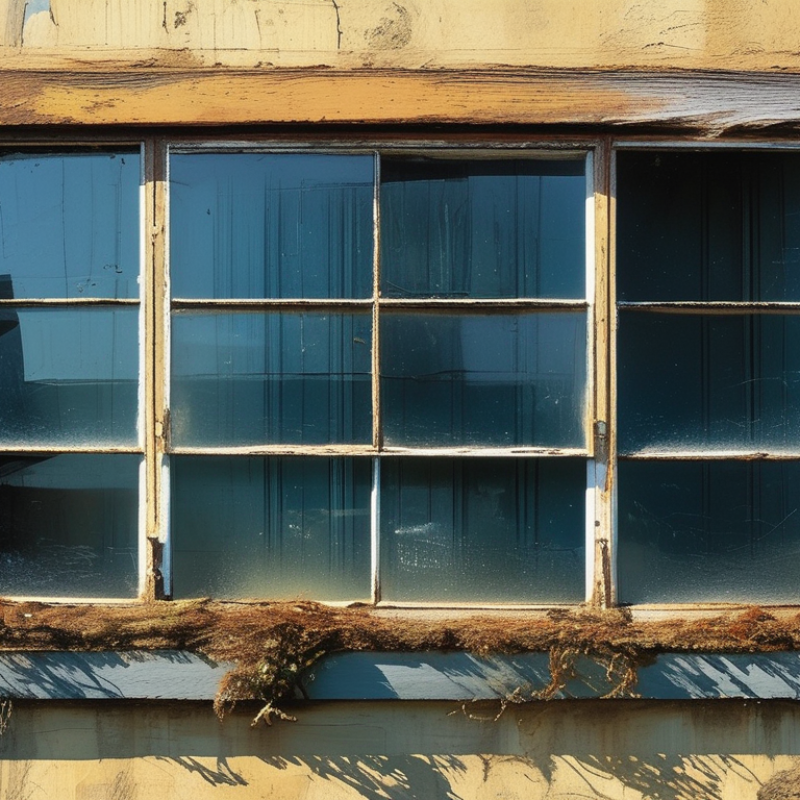
Old windows often suffer from several common issues that can affect their functionality and appearance. Many homeowners face drafts, difficulty in opening or closing, and condensation build-up. According to industry reports, around 30% of energy loss in homes occurs through poorly sealed windows. Addressing these problems not only improves comfort but also boosts energy efficiency.
One obvious sign of an aging window is drafts. If you feel a chill near your windows even when they are closed, it's time for a check-up. Gaps and cracks can develop over time, leading to energy inefficiency. Applying weather stripping around the frames can be a simple yet effective DIY solution.
Condensation can indicate that your windows are not properly insulated. If you notice moisture between double panes, it may be time to replace the window unit. Regular inspection helps identify these issues early. Consider cleaning your windows at least twice a year to maintain functionality and visibility. Checking for rot or damage in the frames should also be part of your routine maintenance. Small actions can lead to significant improvements in both comfort and energy costs.
Old windows can suffer from various issues over time. Understanding the causes of this deterioration is crucial for effective repairs. One common problem is rotting wood frames. This occurs due to prolonged exposure to moisture. Water seeps into the wood, causing it to weaken and decay. Regular maintenance can help, but once the wood has rotted, replacement may be necessary.
Another issue is draftiness. Old windows often fail to seal properly, allowing outdoor air to enter. This is particularly problematic in winter months. Poor insulation can lead to increased heating bills. Addressing this issue can involve adding weather stripping or caulking gaps. However, if windows are extensively worn, it may be wise to consider new installations.
Finally, condensation between the glass panes is a frequent concern. This indicates a breakdown of the insulating seal. The result is less energy efficiency and potential water damage. While cleaning the exterior can help, it's often a sign that the unit needs replacement. Recognizing these problems early can save homeowners money and discomfort in the long run.
| Problem | Causes | Solutions |
|---|---|---|
| Drafts and Air Leaks | Worn weather stripping or gaps in frames | Replace weather stripping; use caulking to seal gaps |
| Difficulty Opening/Closing Windows | Paint buildup or warped frames | Clean or strip paint; adjust or replace warped frames |
| Condensation Buildup | Poor insulation or damaged seals | Upgrade insulation; replace seals |
| Rattling Windows | Loose frames or hardware | Tighten screws and bolts; add shims |
| Cracked or Broken Glass | Impact or aging seals | Replace glass pane; repair frames |
Old windows often have seal and caulking issues that can lead to energy loss and discomfort. According to the U.S. Department of Energy, windows can account for about 25% to 30% of residential heating and cooling energy use. When seals degrade, air leaks can increase, making heating and cooling systems work overtime. This not only raises energy bills but also affects indoor comfort levels.
Repairing window seals involves a detailed approach. First, assess the condition of existing caulking. Look for cracks or damage around the edges. Using a utility knife, carefully remove old caulking. Clean the surface thoroughly with a suitable cleaner to eliminate dirt and debris. A clean, dry surface ensures better adhesion of the new caulk. Once prepared, apply a high-quality silicone caulk, known for its flexibility and longevity. This type can last up to 20 years with proper installation.
While many homeowners tackle these repairs themselves, it’s vital to recognize their limitations. Misapplication can result in poor seals that compromise efficiency. A study from the National Renewable Energy Laboratory indicates that improper sealing can lead to even greater energy loss than expected. Taking the time to follow a step-by-step guide is essential to ensure windows perform optimally.
Old windows can create a myriad of issues, from drafts to water leaks. When frames and sashes start to decay, it becomes essential to decide whether to replace or repair them. The wood can rot, causing structural problems. Look for soft spots or visible cracks. These signs often indicate deeper issues that can affect the window's functionality.
Repairing old window frames can breathe new life into them. Start by removing loose paint and sanding the surface. Apply wood filler to fill any gaps before painting. A good seal can prevent moisture from seeping in. Sometimes, you might notice that the glass panes are loose. In such cases, adding glazing compound can help secure them in place. It's a simpler solution than you might think.
Replacing might be necessary when the damage is severe. Measure the frame carefully to ensure a good fit. Using new materials can enhance insulation. However, remember, new does not always equate to better. In some cases, modern designs might not match the home's character. Weigh the options thoughtfully, considering aesthetics along with functionality. Balancing these aspects is essential for a successful outcome.
Upgrading hardware can significantly enhance the functionality and security of old Windows systems. Older machines often struggle with performance issues. This can lead to frustrating user experiences. Swapping out a hard drive for a solid-state drive (SSD) can yield noticeable speed improvements. SSDs access data faster, reducing loading times for applications and files. This upgrade alone can breathe new life into obsolete systems.
Another common upgrade is increasing the RAM. Many older computers come with insufficient memory, causing slowdowns during multitasking. Adding more RAM allows for smoother operation and helps run more applications simultaneously. However, not every system supports additional memory, so it's crucial to check compatibility first. A lack of adequate power supply can also hinder new hardware installations. Be sure to evaluate your environment before making changes.
Security is another vital aspect of upgrading. Old hardware may not support the latest security features. This exposes systems to potential vulnerabilities. Newer components often come with better encryption capabilities and improved performance. Regular assessments of both hardware and software are essential. They can highlight gaps that need attention. Embracing these upgrades can lead to a more secure and efficient computing experience.
: Old windows can rot due to moisture exposure. This weakens the wood and leads to decay.
Adding weather stripping or caulking gaps can help. New installations may be necessary for worn windows.
It usually indicates a breakdown in the insulating seal. This can lead to water damage and energy loss.
Upgrading to an SSD can enhance speed. It helps reduce loading times for applications and files significantly.
It can cause slow performance during multitasking. More RAM allows smoother operation and supports more applications.
Regular checks can reveal security and performance gaps. This helps to ensure systems remain efficient and secure.
Not every system can handle extra memory. Always check compatibility before attempting upgrades.
An inadequate power supply can hinder new installations. Evaluate your system’s power requirements before making changes.
Yes, they often incur rising heating bills from poor insulation. Replacement may save money in the long run.
Once wood is rotted, replacement is usually necessary. Regular maintenance can prevent this issue.
The article "Common Problems With Old Windows And How To Fix Them" addresses several prevalent issues that homeowners face with aging windows, along with effective solutions. It begins by identifying common problems such as draftiness, difficulty in opening or closing, and condensation between the panes. Understanding the causes of window deterioration is crucial, as this can stem from factors like weather conditions, poor maintenance, or outdated materials.
The article then provides a comprehensive step-by-step guide to repair window seals and caulking, emphasizing the importance of proper sealing to enhance energy efficiency. For those facing more severe issues, it discusses options for replacing or repairing old window frames and sashes to ensure structural integrity. Lastly, upgrading window hardware is highlighted as a way to improve both functionality and security, making old windows more effective and safer. Overall, this article serves as a valuable resource to address "Common Problems With Old Windows And Solutions," equipping homeowners with practical insights to maintain their windows effectively.
