Fortress Windows Fortress Windows

China Top Common Door and Window Installation Mistakes

Time:2026-11-14 Author:Ethan
0%

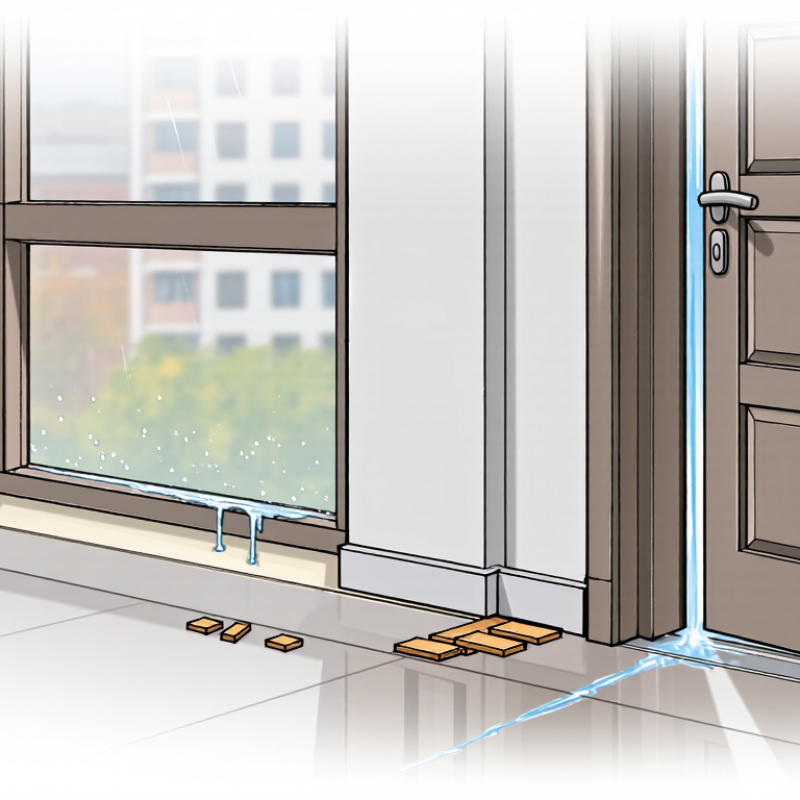
A door can look perfectly fitted and still leak air at its lower corner. A window may slide smoothly while rainwater enters behind its frame. In China, where buildings face varied climates, from humid coastal summers to cold northern winters, small installation details can have lasting effects. Common Door And Window Installation Mistakes often begin before the sealant is applied: an uneven opening, missing sill drainage, misplaced shims, or a frame that is not square.

The U.S. Department of Energy’s Energy Saver guidance estimates that reducing household air leaks can save 10% to 20% on heating and cooling bills. This is a broad U.S. estimate, not a China-specific forecast, and it does not isolate window installation errors. Still, it shows why airtightness deserves attention. A narrow gap around a frame can invite drafts, moisture, and higher energy use. Proper flashing, compatible sealants, and careful alignment help reduce these risks, but products and local building requirements vary.

Good installation is more than a neat bead of silicone. Check the opening, support the frame correctly, preserve drainage paths, and test locks and operation before finishing the interior. Small gaps matter. Yet even experienced installers can overlook details when schedules are tight. That deserves honest attention. This guide examines common mistakes found during door and window installation in China, explains what they can cause, and identifies practical checks homeowners and project teams can use. DOE guidance offers useful context, but a site inspection remains essential.
China Top Common Door and Window Installation Mistakes

Planning and Measurement Errors Before Door and Window Installation

China Top Common Door and Window Installation Mistakes

Planning and Measurement Errors Before Door and Window Installation

Planning errors often begin with measuring only one point. Check each opening at the top, middle, and bottom, then compare both diagonal measurements. Record width and height separately. A few millimeters can affect fitting, sealing, and operation. Measure the structural opening, not just the old frame. Also note uneven floors, bowed walls, and cladding thickness. Measure twice. Still, measurements alone cannot reveal every problem; a quick site sketch may miss a concealed obstruction.

Allow the clearance required by the installation instructions, and confirm the opening is suitable before ordering. ASTM E2112, the standard practice for installing exterior windows and doors, emphasizes installation details that help manage water and air movement. Plan flashing and drainage paths before the unit arrives. The U.S. Department of Energy estimates that heat gain and loss through windows accounts for 25% to 30% of residential heating and cooling energy use. That matters. A poorly planned fit can make effective sealing harder, even when the window itself performs well. Check dimensions again after removing an existing unit, because hidden framing damage or layers of finish can change the usable opening. Do not guess. A small mismatch can mean extra trimming, delays, or gaps that are difficult to seal neatly.

Opening Preparation and Alignment Problems in Chinese Buildings

China Top Common Door and Window Installation Mistakes
Opening Preparation and Alignment Problems in Chinese Buildings

In Chinese buildings, rough openings can vary because of concrete pours, masonry work, and later plastering. A frame that looks square may still have a sloping sill or a narrow corner. Small errors matter. Measure width and height at several points, and compare both diagonal dimensions before ordering or fitting a frame.

Remove loose mortar and dust, then check the opening for cracks, damp patches, and uneven surfaces. A laser level or spirit level helps reveal a leaning jamb that a quick visual check can miss. Leave the specified installation clearance; forcing a frame into a tight opening can twist it. The exact gap depends on the system and project details, so follow the approved drawings rather than guessing.

During fitting, use packers at fixing points and check plumb, level, and square before tightening anchors. Recheck the sash or door leaf after fastening; smooth operation is a useful practical test, but it does not prove the opening is weather-tight. Keep sill drainage paths clear and seal joints with materials suited to the substrate. On site, rushed measurements are easy to make. We sometimes trust one reading too much; a second person’s check can catch that.

Frame Fixing Mistakes That Affect Stability and Operation

Frame fixing errors often remain hidden until a door sticks or a window rattles. A frame can look square while its corners twist under uneven pressure. Check the opening’s width, height, and diagonals before installation. Small differences matter. The frame must be plumb, level, and square, not simply aligned with an uneven wall.

Loose or poorly spaced anchors can let a frame move as sash weight shifts or wind presses against the glazing. Fixings too close to corners may crack masonry or distort slender frame sections. Follow the specified anchor type, spacing, and embedment depth. If instructions are unclear, pause and consult a qualified site professional. Do not tighten every screw at once. Tighten gradually, checking the jamb with a level and testing the sash between adjustments. Dust and poor light make a bowed jamb easy to miss.

Foam cannot replace mechanical fixings. Too much foam can push a jamb inward, making locks drag and seals compress unevenly. Place packers beside fixing points, then check operation before covering the joint. Open and close the unit several times. Inspect latch engagement and the gaps around the sash. This step is easy to rush, even on a careful job. Rechecking takes minutes; correcting a twisted frame later may mean removing trim and disturbing the finish.

Sealing, Insulation, and Drainage Failures After Installation

After installation, a window can look aligned yet still leak at the sill. Gaps between the frame and rough opening let drafts bypass the insulation. A thin, uneven sealant bead may split as materials move. Water can then reach the wall cavity, staining interior trim or softening wood. Small details matter.

The U.S. Department of Energy’s Energy Saver guidance estimates that air leaks can account for 5–30% of a home’s energy use. That range reflects different homes, not a guaranteed saving from repairs. Insulation must fill the frame gap without bowing the jamb; too much expanding foam can make a sash stick. Drainage matters just as much. A sill pan should direct water outward, and weep openings must stay clear. Seal the exterior carelessly, and trapped water may have nowhere to go. A tidy finish is not proof of a sound installation.

Tips: Check for daylight around the frame and drafts on a windy day. Pour a little water into the sill track; it should drain outside. Keep weep holes open. Recheck sealant after seasonal temperature changes. I would not trust appearance alone.

The values are an illustrative prioritization, not measured survey results. Actual defect rates vary by installation, product, and inspection method. Check perimeter seals, insulation continuity, and drainage paths during post-installation inspection.

Hardware, Glazing, and On-Site Quality Check Issues

China Top Common Door and Window Installation Mistakes

Hardware, Glazing, and On-Site Quality Check Issues

Small installation errors can create drafts, water leaks, or difficult operation. Hinges need firm support, and screws must match the frame material. If a sash drops slightly, the lock may feel stiff even when the hardware is undamaged. Check handle movement before sealing the frame. It is an easy step to miss.

Tips: Open and close each unit several times. Check that locking points engage smoothly, glass sits evenly in its setting blocks, and drainage slots remain clear. A thin, continuous seal is better than a thick bead that hides gaps.

On site, inspect frame plumb and level, then measure diagonal corners for squareness. Look for chipped glass edges, uneven gasket pressure, and loose fasteners. After installation, spray water gently around the exterior joints and check inside for moisture. Keep notes and photos; memory gets unreliable when several openings look alike. One detail may still escape notice, so leave time for a second inspection before handover.

FAQS

Why should an opening be measured at several points?

Concrete, masonry, and plaster can leave uneven edges. Measure width and height in several places, then compare both diagonals. One reading may mislead.

What should be checked before fitting a frame?

Remove loose mortar and dust. Look for cracks, damp patches, sloping sills, and uneven surfaces. A level can reveal a leaning jamb.

Why is installation clearance important?

A frame forced into a tight opening can twist. Follow the project drawings for the specified gap instead of guessing.

How can installers keep a frame stable?

Place packers beside fixing points and use the specified anchors. Tighten gradually while checking that the frame remains plumb, level, and square.

Can expanding foam replace mechanical fixings?

No. Foam does not secure the frame by itself, and excess foam can push a jamb inward. Locks may then drag.

How can you check operation before covering the joints?

Open and close the door or window several times. Check the latch and the gaps around the sash. This step is easy to rush.

What helps prevent water from entering around the sill?

Keep drainage paths and weep openings clear. A sill pan should direct water outside; careless sealing can trap it.

How can you spot a draft or drainage problem after installation?

Check for daylight around the frame and feel for drafts on a windy day. Pour a little water into the sill track; it should drain outside. I would not trust appearance alone.

Conclusion

Common Door And Window Installation Mistakes often begin before any tools are used. Inaccurate measurements, poor planning, and overlooking the way a building opening is constructed can lead to gaps, uneven frames, and costly adjustments. During preparation, openings should be checked for level, plumb, and square, with any irregularities addressed before installation. Rushing this stage can affect both the appearance and performance of doors and windows in Chinese buildings.

Secure frame fixing is essential for stability and smooth operation, but fasteners placed incorrectly or frames forced into position may cause sticking, distortion, or premature wear. Careful sealing, suitable insulation, and clear drainage paths help limit drafts, water entry, and moisture buildup. Installation should also include checks of glazing, hardware, opening and closing action, and finished joints. A thorough on-site inspection helps identify problems early and ensures each component fits and functions as intended.

Ethan

Ethan

Ethan is a seasoned marketing professional with a deep expertise in our company's innovative product line. With a passion for sharing knowledge and insights, he takes the lead in regularly updating our corporate blog, where he explores industry trends, product features, and effective marketing......