 Fortress Windows
Fortress Windows
Fortress Windows
Home insulation plays a crucial role in energy efficiency. High-quality windows enhance insulation significantly. According to the U.S. Department of Energy, up to 30% of heating and cooling energy can be lost through windows. This staggering statistic underscores the importance of choosing the right windows.
Renowned insulation expert Dr. James McMillan states, "Quality windows can dramatically improve a home's energy efficiency." His research highlights that double or triple-pane windows reduce heat loss effectively. Understanding how to improve home insulation with quality windows is vital for homeowners aiming to reduce energy costs and enhance comfort.
Upgrading windows is not just about aesthetics. It's about making a long-term investment. Many homeowners overlook this. They may hesitate to replace old windows due to cost. Yet, the energy savings and increased comfort often outweigh these initial expenses. High-performance windows can transform an ordinary home into a more energy-efficient haven. This shift not only benefits homeowners but also has a positive impact on the environment.
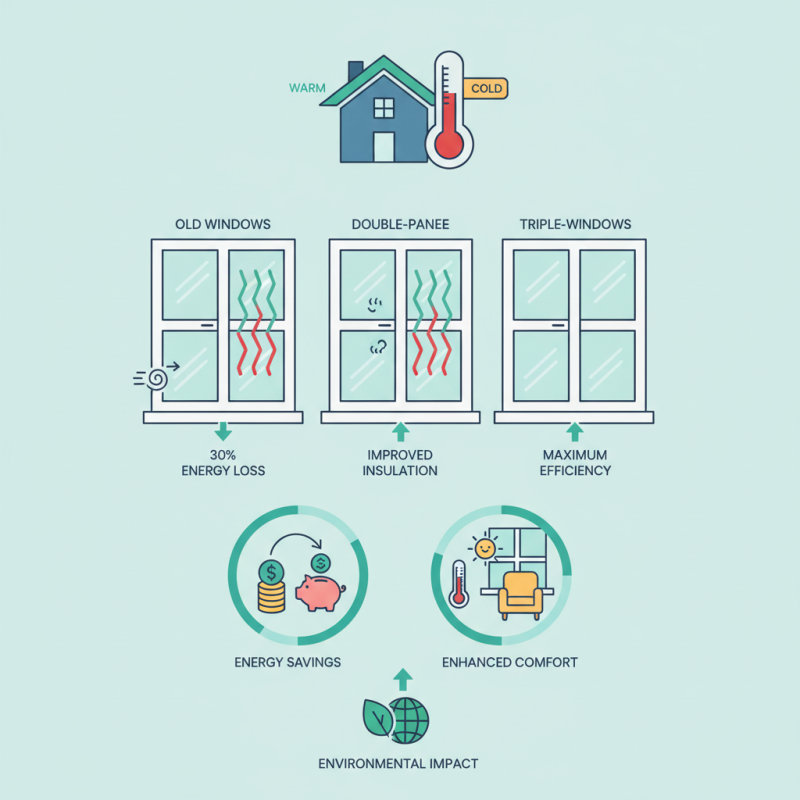
Home insulation plays a critical role in maintaining energy efficiency in any residence. According to the U.S. Department of Energy, nearly 30% of home energy loss occurs through windows. This highlights the significance of choosing quality windows that not only reduce energy costs but also enhance comfort. Insulation helps keep homes warm in winter and cool in summer. The right windows can dramatically improve this insulation.
Quality windows, especially those with multiple panes and low-emissivity (Low-E) coatings, can significantly cut heating and cooling costs. Studies show that homes with energy-efficient windows can save up to 12% on energy bills. However, many homeowners overlook window quality and may opt for lower-cost options. This can lead to drafts and increased energy consumption, contradicting the goal of effective insulation.
While investing in quality windows is essential, it’s also necessary to ensure they are installed correctly. Poor installation can undermine their benefits. A 2021 report from the National Renewable Energy Laboratory revealed that improper sealing can lead to up to a 20% reduction in energy efficiency. Homeowners should prioritize working with experienced professionals for installation, ensuring both insulation strength and aesthetic appeal.
: Double-glazed windows have two glass panes with an air space in between. This setup traps air and reduces heat loss.
Low-E glass windows have a metallic coating that reflects heat. They keep warm air inside during winter and block UV rays in summer.
Vinyl frames provide good insulation and durability, while wood frames offer excellent thermal insulation. Both have pros and cons.
According to studies, energy-efficient windows can save homeowners 10% to 25% on energy bills per year. They reduce heating and cooling costs.
Triple glazing consists of three glass panes with gas fills in between. It can improve energy efficiency by up to 50% compared to single-pane windows.
Regularly inspect for drafts or cracks. Clean seals and check caulking annually. Small issues can lead to major heat loss.
Thermal curtains add insulation by blocking cold air during winter nights. They are often overlooked but are essential for maintaining comfort.
Air leakage refers to unwanted drafts coming through gaps in window seals. It can diminish window effectiveness and comfort levels.
Installing energy-efficient windows, like Low-E glass, may require adjustments. Be prepared for potential changes to your existing framing.
Small issues, like a tear or weak seal, can greatly reduce insulation efficiency. Regular checks lead to long-term benefits in comfort and energy savings.
In today's energy-conscious world, understanding "How to Improve Home Insulation With Quality Windows" is crucial for homeowners looking to enhance their living environment. Quality windows not only contribute significantly to the overall insulation of a home but also play a vital role in energy efficiency. Various types of windows, such as double or triple-glazed options, can effectively reduce heat transfer, while key features like low-emissivity coatings and insulated frames further boost energy performance.
To maximize the insulation benefits of windows, proper installation is essential; this includes ensuring airtight sealing and appropriate sizing for optimal fit. Additionally, routine maintenance of windows, such as checking for drafts and replacing worn weatherstripping, can maintain their effectiveness over time. By focusing on these aspects, homeowners can improve their home's insulation, reduce energy costs, and create a more comfortable living space.
