Fortress Windows
Choosing doors and windows for a modern home involves more than matching colors. In China, design choices can reflect local climate, available space, privacy needs, and the character of a neighborhood. A slim aluminum-framed window may suit a compact urban apartment, while a wide sliding door can connect a living room with a balcony. Details matter. Glass type, frame quality, weather seals, and hardware all affect comfort and upkeep.
This guide explores ten popular design directions, from minimalist black frames to warm wood finishes and generous glass panels. It is not a universal ranking: the right option depends on the building, budget, and daily routines. For example, a large south-facing window can bring in welcome daylight, but may also increase glare and summer heat. That trade-off deserves attention. Local climate and professional installation matter just as much as appearance.
The Best Door And Window Designs For Modern Houses balance visual appeal with practical performance. Look for clear product specifications, appropriate glazing, and reliable installation support. Check how doors operate in the available space, and consider cleaning access before choosing complex configurations. Some designs look excellent in a showroom but feel inconvenient at home. That is worth remembering. The sections ahead compare their styles, benefits, and limitations, helping homeowners ask better questions before making a decision.
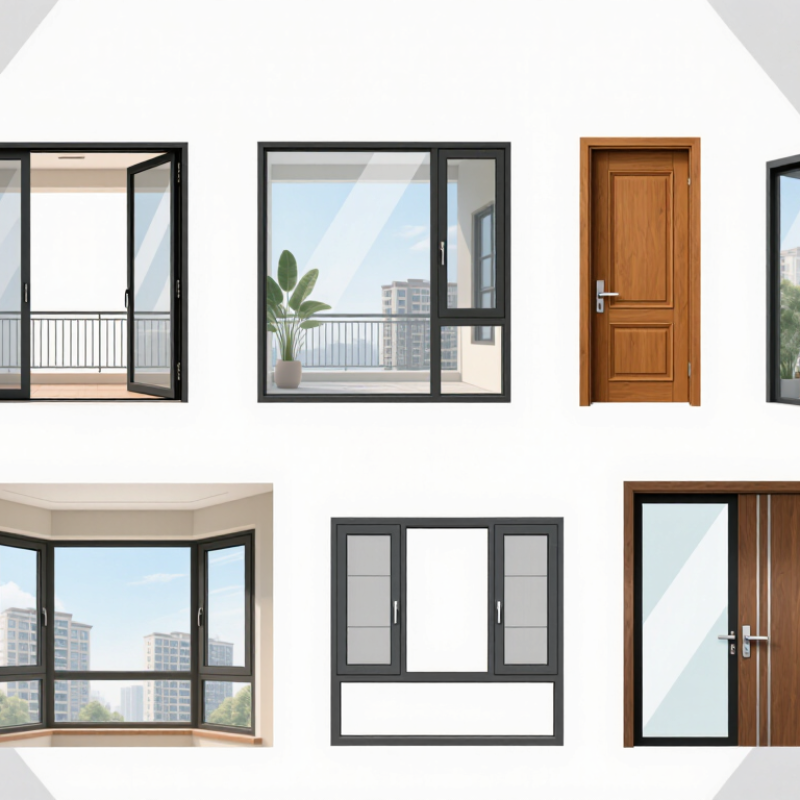
In China, modern door and window designs should be judged by performance, not appearance alone. A slim frame may look elegant, but its seals, hardware, and installation determine how it works day to day. Reviewers can compare air leakage, water resistance, sound reduction, and heat transfer using consistent test conditions. Details matter. Results should also be read in context, since a home in humid coastal Fujian faces different demands from one in cold northern Heilongjiang.
Safety and usability deserve equal attention. Check whether locks feel secure, handles operate smoothly, and glass is appropriate for the opening and its location. For apartment projects, noise from traffic or shared corridors can make acoustic performance especially relevant. A quiet showroom proves little. Installation quality matters too: uneven gaps around a frame can undermine otherwise strong product performance. Ask how measurements, sealing, drainage, and after-installation checks are handled.
A useful evaluation also considers maintenance and documented evidence. Clear test reports and product specifications are more reliable than broad claims, though one test cannot represent every home. I would avoid treating a single score as decisive; real performance depends on the building, climate, and workmanship. Some comparisons still overlook long-term repair needs, which deserves more scrutiny.
Contemporary homes need doors and windows that balance daylight, privacy, ventilation, and energy performance. Ten useful designs include slim-frame casement windows and tilt-turn windows for controlled airflow. Horizontal sliders suit tight rooms, while lift-slide doors open broad patio connections. Fixed picture windows frame views; clerestory windows bring light above eye level. Bay windows add a small seating nook. French hinged doors create a traditional opening, folding doors connect indoor and outdoor areas, and pivot doors make a bold entry. Small details matter: a deep sill can catch morning light, but it may also collect dust.
Performance deserves equal attention. The U.S. Department of Energy’s Energy Saver guidance estimates that heat gain and loss through windows account for about 25–30% of residential heating and cooling energy use. Compare window U-factor and solar heat gain coefficient ratings, then match them to the local climate and each room’s exposure. A sun-facing glass wall may need shading; a shaded room may benefit from larger glazing. Not every room agrees. I would avoid choosing a design from appearance alone: opening clearance, frame material, weather seals, and installation quality can change how it performs. The perfect-looking option may not be the most practical one.
A modern door or window works best when its materials suit the room and local climate. Timber brings warmth and can be repaired, but it needs regular maintenance in wet or sunny locations. Aluminum allows slim frames and broad glass panels. Thermal breaks help limit heat transfer through the metal. uPVC can offer practical insulation, though frame proportions and finish options may be more limited.
Glass affects comfort, daylight, and privacy. Double glazing is a common choice for reducing heat loss and outside noise. Low-emissivity coatings can improve thermal performance, but the right specification depends on orientation and climate. Tempered glass is designed to break into smaller pieces; laminated glass holds fragments together. Ask a qualified installer which type suits each opening. Details matter.
Opening systems shape everyday use. Casement windows catch breezes well, while sliding designs save space beside furniture. Tilt-and-turn units offer flexible ventilation, but their hardware needs careful adjustment. For patio doors, sliding panels create clear access without a wide swing, while hinged doors provide a familiar feel. Measure the actual opening, not just the wall. A beautiful frame can still feel awkward if it blocks a walkway or is difficult to operate. Check drainage, seals, and hardware access before choosing. Small details are often overlooked.
Choose doors and windows by room use, orientation, and climate—not appearance alone. The U.S. Department of Energy reports that windows account for about 25–30% of residential heating and cooling energy use. In hot regions, lower solar heat gain can help limit afternoon overheating. In cold regions, a lower U-factor can reduce heat loss. Check the National Fenestration Rating Council label for both values.
Room function matters. Kitchens benefit from operable windows placed to release cooking heat, while bathrooms need privacy and moisture-resistant frames. Living rooms can use wider glazing, but exterior shading helps control glare. For rainy or humid climates, inspect sill drainage, seals, and the door threshold. Small details matter.
A large glass area is not always better; bright noon light can become glare, and winter comfort may suffer. There is no perfect window. Compare performance ratings with local exposure, then ask an experienced installer how the opening will be sealed. Even a strong product rating cannot compensate for careless installation. The DOE’s guidance is useful, but actual results also depend on shading, ventilation, and construction quality.
| No. | Door or Window Design | Best-Suited Rooms | Climate Suitability in China | Key Design Benefits | What to Consider When Choosing |
|---|---|---|---|---|---|
| 1 | Thermal-Break Casement Window | Bedrooms, living rooms, studies | Versatile; particularly useful in northern areas with cold winters and in hot regions where good air sealing helps reduce unwanted heat gain. | Side-hinged sash closes firmly against its seals and can provide effective ventilation when open. | Check frame and sash seals, drainage details, hardware quality, and glazing specification. Consider screens and safe opening limits for upper floors. |
| 2 | Tilt-and-Turn Window | Bedrooms, kitchens, apartments, upper-floor rooms | Suitable across many regions; useful where controlled ventilation is wanted during colder or rainy seasons. | Can tilt inward for limited ventilation or swing inward for fuller opening and easier cleaning. | Allow interior clearance for the open sash, curtains, and furniture. Confirm child-safety measures and that hardware supports the sash size and weight. |
| 3 | Sliding Window | Balconies, compact rooms, kitchens | Practical in warm regions and tight spaces; performance depends strongly on the quality of interlocking seals and drainage. | The sash does not project into the room, making it convenient where space is limited. | Sliding designs generally have more potential air-leakage paths than well-sealed hinged designs. Inspect track drainage and plan regular track cleaning. |
| 4 | Fixed Panoramic Window | Living rooms, stairwells, rooms with a view | Can suit varied climates when correctly specified; solar control is especially important for large, sun-exposed areas. | Provides broad daylight and an uninterrupted view, with no opening sash. | Pair with operable windows for ventilation. Consider orientation, external shading, glass safety requirements, and access for cleaning. |
| 5 | Lift-and-Slide Patio Door | Living rooms opening onto balconies, terraces, or gardens | Useful in temperate and warm areas; in cold or windy locations, prioritize tested air and water sealing and suitable insulated glazing. | Large glazed panels connect indoor and outdoor spaces while the operating panel slides parallel to the frame. | Check threshold height, drainage, panel weight, locking points, and accessibility. A low threshold needs carefully designed weather protection. |
| 6 | Folding Glass Door | Balconies, garden rooms, indoor-outdoor entertaining areas | Best considered in milder conditions or where sheltered; wind-driven rain and strong temperature differences require careful detailing. | Multiple panels fold to create a wide opening between spaces. | Review stacked-panel space, track support, weather seals, and maintenance needs. It may not provide the same airtightness as a well-sealed fixed or hinged unit. |
| 7 | French Casement Door | Balconies, courtyards, patios | Adaptable to many climates when matched with appropriate glazing, seals, and weather protection. | Two hinged leaves create a broad opening and a balanced, classic appearance. | Confirm the swing direction and clear floor area. Use secure multipoint locking where appropriate and provide a weather-shedding threshold. |
| 8 | Louvered Window | Bathrooms, utility rooms, shaded kitchens | Can support airflow in warm, humid regions; less suitable as the sole weather barrier in cold, windy, or typhoon-exposed locations. | Adjustable blades allow ventilation and help manage privacy and daylight. | Choose a design with suitable rain protection and easy-to-clean blades. Pair with a more weather-tight window where insulation or strong storm resistance is needed. |
| 9 | Clerestory or High-Level Window | Living rooms, stairwells, bathrooms, rooms with high ceilings | Useful across climates for daylighting; shading may be needed where high summer sun causes overheating. | Brings daylight in while preserving wall space and, depending on placement, privacy. | Plan safe access for operation and cleaning. Consider glare, solar exposure, and whether a fixed or operable unit better suits the room. |
| 10 | Triple-Glazed Insulating Window | Bedrooms, quiet rooms, and spaces exposed to cold or noise | Often worth considering in colder northern areas and other locations with demanding winter conditions; local climate and whole-window performance matter. | Three panes with sealed insulating cavities can reduce heat transfer and may improve sound insulation when the glazing is appropriately designed. | Compare certified whole-window thermal performance, not glass alone. Check frame compatibility, added weight, installation quality, and whether the extra cost suits the local climate. |
A modern door or window should fit the home as carefully as it fits the opening. Across popular designs in China, slim sliding doors, inward-opening casements, and large picture windows each need different installation planning. Measure the opening at several points; older walls are not always square. A small gap can cause drafts, water entry, or difficult operation.
Not a minor detail.
Ask the installer how the frame will be anchored and sealed, and check that drainage paths remain clear. Foam alone is not a complete weather seal.
Energy efficiency depends on the whole assembly, not just the glass. Look for clear performance information on glazing, frame, and seals, then match it to local climate and room orientation. A sunny west-facing room may need shading as well as insulated glass.
For safety, consider secure locks, suitable glass near doors, and opening limits where children may be present. Requirements vary, so confirm local building guidance before ordering.
Maintenance is easy to postpone. Wipe tracks, clear weep holes, inspect sealant, and test locks a few times each year. Keep the care instructions; harsh cleaners can damage finishes.
One honest trade-off: a wider glass area brings more daylight, but may also mean more cleaning and heat gain.
A horizontal slider does not swing into the room. It can sit beside a desk or sofa. Check that the track stays clean.
Compare the U-factor and solar heat gain coefficient. A west-facing room may need exterior shading, too. More glass is not always better.
It can frame a garden and bring in daylight, but it does not open for ventilation. Plan airflow elsewhere. Cleaning the glass can take time.
They offer different opening positions and controlled airflow. Their hardware needs careful adjustment. Small parts matter.
Aluminum allows slim frames, while uPVC can provide practical insulation. Timber feels warm and can be repaired, but often needs regular care. I would check the local climate first.
Sliding panels avoid a wide door swing. Measure the opening and nearby furniture. A broad door can still feel awkward.
Ask how the frame will be anchored and sealed. Drainage paths should remain clear. Foam alone is not enough.
Clear tracks and drainage holes, inspect sealant, and test locks several times a year. Keep the care instructions. I sometimes forget the tracks. Cleaning matters.
Choosing the Best Door And Window Designs For Modern Houses means balancing appearance, comfort, durability, and practical performance. This guide explains how contemporary designs can be assessed for frame strength, glass quality, ease of use, weather resistance, and visual harmony. It explores ten popular design approaches, from wide sliding openings that connect indoor and outdoor spaces to clean-lined windows that bring in natural light while preserving privacy.
The right choice also depends on the room, local climate, and how the home is used. Different materials, frame profiles, glazing options, and opening systems offer distinct advantages for insulation, ventilation, and everyday convenience. Careful installation helps reduce drafts and supports energy efficiency, while suitable locks and regular maintenance contribute to safety and long-term performance. By considering these factors together, homeowners can select doors and windows that complement their home and remain comfortable and dependable over time.
