Fortress Windows
Choosing an exterior door is not merely a style decision. It is a building-envelope decision that affects comfort, security, moisture control, and maintenance.
NOAA’s 2023 Billion-Dollar Weather and Climate Disasters report recorded 28 major U.S. weather and climate events. Wind-driven rain, heat, snow, and sudden temperature changes can expose weak door assemblies quickly. A door may look solid in a showroom, yet perform poorly after repeated storms. That gap deserves attention.
This guide explains How To Select Weather Resistant Doors using practical performance criteria. The advice follows principles used by the U.S. Department of Energy, the National Fenestration Rating Council, and FGIA industry standards. Check air leakage, water resistance, structural strength, hardware quality, frame design, and installation details. NFRC guidance shows why rated products provide more useful comparisons than attractive labels alone. FGIA/AAMA performance standards also evaluate air, water, and structural performance under controlled testing.
Material still matters. Fiberglass can resist moisture better than poorly sealed wood, while properly finished steel can provide strong durability. However, no material is maintenance-free. Small gaps around a threshold can invite drafts, insects, and rainwater. That detail is easy to miss.
The most reliable choice balances climate exposure, door orientation, local construction practice, and long-term repair needs. Price matters, but it should not lead the decision. A cheaper door can become expensive after swelling, corrosion, or repeated weatherstripping replacement. Some recommendations may need adjustment for coastal, high-altitude, or flood-prone locations. That uncertainty is real. Careful inspection remains essential.
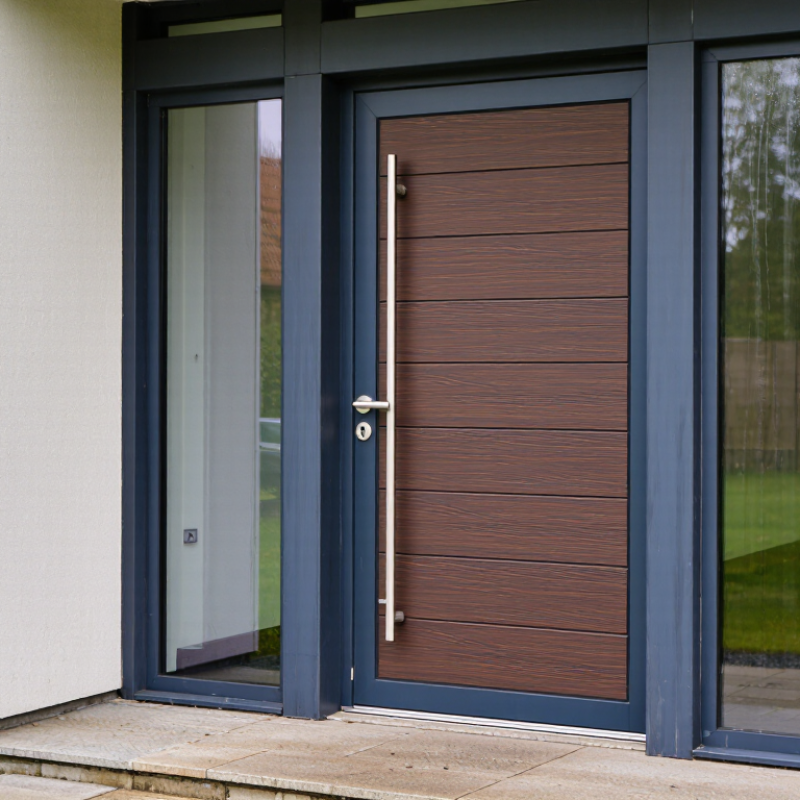
7 Best Tips How To Select Weather Resistant Doors
Define Your Local Weather and Exposure Conditions
A weather-resistant door begins with your local exposure, not a showroom label. Check NOAA’s 1991–2020 Climate Normals for average rainfall, temperature, snowfall, and wind patterns. Then inspect your property. A door under a porch faces different stress than one beside an open field.
ASCE 7-22 provides regional wind-speed maps for structural design. These values help determine whether the door assembly needs stronger anchoring, reinforced hinges, or impact-resistant glazing. Coastal locations also require attention to salt spray and airborne moisture. FEMA flood maps can identify areas where elevated thresholds and water-resistant materials deserve serious consideration.
Rain direction matters. Watch the doorway during a storm. Does water strike the slab, collect near the threshold, or enter from the hinge side? Small observations often reveal more than a product brochure. Choose compression seals, corrosion-resistant hardware, and a properly sloped sill for repeated wet exposure. In cold climates, examine thermal performance and condensation risk; the U.S. Department of Energy identifies air leakage as a major contributor to building energy loss.
Do not rely on “all-weather” wording alone. Ask for tested air, water, and structural performance data. I once underestimated wind-driven rain because the annual rainfall looked modest. That assumption was weak. Local exposure is usually more complicated than the climate average.
7 Best Tips How To Select Weather Resistant Doors
Choosing a weather resistant door starts with your local exposure. Fiberglass resists swelling, rot, and repeated rain better than many wood doors. Steel offers strong wind resistance, but its surface can heat quickly in direct sun. Wood provides natural insulation and repairability, yet it needs careful sealing. In humid regions, inspect the bottom edge closely. Water often collects there unnoticed.
Tip 1: Compare the complete door system, not just the slab. Look for corrosion-resistant hinges, tight weatherstripping, and a threshold that drains water outward. A well-fitted frame can prevent drafts during a storm. I once underestimated installation quality, and the expensive door still leaked around its frame. That mistake changed how I assess performance.
Tip 2: Test heat and wind resistance together. Dark surfaces may become hot, causing movement or seal failure. Ask for tested ratings, reinforced cores, and secure multi-point hardware where strong winds are common. Composite materials can balance moisture stability and insulation, but their quality varies. Check the warranty terms and maintenance instructions. Also, remember that no material is maintenance-free. Even fiberglass needs clean seals, while steel may require prompt attention after scratches appear.
Weather-resistant doors do more than resist rain. They protect indoor comfort, furniture, and energy use. Start by examining the seal around the entire frame. Look for continuous compression gaskets, tight corner joints, and flexible material that returns to shape after pressing. A small gap can admit wind-driven rain. It can also create a cold draft.
Insulation deserves equal attention. Check the door’s core, not only its surface finish. A solid insulated core usually limits heat transfer better than a thin, hollow panel. Ask for tested thermal performance and installation requirements. Poor fitting can cancel good insulation. Measure the threshold carefully, especially where tile, wood, or uneven concrete meets the frame. I have seen attractive doors perform poorly because the sill sat slightly above the exterior drainage path.
Water-blocking details should guide the final choice. Prefer a sloped sill, raised threshold, drainage channels, and layered flashing around the frame. These features direct water outward instead of trapping it behind trim. Inspect the bottom seal closely; it should touch the threshold without dragging. Test the latch after installation. The door should close firmly, but not require a shoulder push. Weather exposure changes materials over time, so inspect seals each season and replace cracked sections promptly. I would not trust a door based on appearance alone. Even careful inspections can miss hidden installation errors, so qualified installation and documented testing remain important.
7 Best Tips How To Select Weather Resistant Doors
Weather resistance starts with hardware, not appearance. Choose hinges, screws, handles, and locks made from corrosion-resistant metal. Stainless steel performs well in humid areas, while coated hardware needs clear maintenance instructions. Check the edges. Water often collects around hinge plates and lock openings. Small details matter.
For coastal homes, ask for evidence of salt-spray testing and independent quality reports. A reliable supplier should explain the test duration, coating type, and replacement terms. Avoid hardware that feels loose or develops surface spots during a showroom inspection. I once selected attractive hinges without checking their drainage design. Rust appeared within one wet season. That mistake changed how I assess doors.
The protective surface finish should suit the local climate. UV-resistant coatings help prevent fading, cracking, and chalky surfaces in strong sunlight. Moisture-resistant finishes reduce swelling around the frame and lower maintenance demands. Look for an even coating, sealed joints, and protected screw heads. Not all coatings last. Some finishes look impressive but fail near unsealed cut edges. Run your hand along the frame and inspect corners closely. A durable door still needs cleaning, prompt touch-ups, and correct installation. Ask for care instructions before buying, rather than trusting a general promise of weather resistance.
| Tip | Selection Factor | What to Check | Recommended Specification | Weather-Resistance Benefit |
|---|---|---|---|---|
| 1 | Choose a moisture-stable door material | Review the core, edge construction, and exposure level. Avoid untreated wood or absorbent composite cores in regularly wet locations. | Use fiberglass, well-sealed engineered wood, or corrosion-resistant metal with a sealed or capped edge. | Reduces swelling, warping, splitting, and loss of fit caused by rain, humidity, and repeated wet-dry cycles. |
| 2 | Select a protective surface finish | Confirm that all faces, edges, cutouts, and exposed end grain receive compatible protection. | Choose a UV-resistant exterior coating or properly applied exterior paint/stain system; follow the coating maker’s recoat interval. | Helps limit ultraviolet fading, moisture penetration, chalking, and surface degradation. |
| 3 | Verify weather seals and thresholds | Inspect the head jamb, side jambs, threshold, sweep, and compression seals for continuous contact without excessive friction. | Use replaceable exterior-rated weatherstripping, a water-shedding threshold, and an adjustable or replaceable door sweep. | Limits wind-driven rain, drafts, dust, and moisture intrusion around the door perimeter. |
| 4 | Use corrosion-resistant hardware | Check the latch, hinges, fasteners, strike plate, closer, and exterior accessories for their material and corrosion rating. | Prefer stainless steel or suitably corrosion-resistant coated hardware; use stainless fasteners in coastal or high-humidity areas. | Reduces rust, seizure, staining, fastener failure, and difficulty operating the door. |
| 5 | Match glazing to the exposure | Consider solar exposure, wind, temperature changes, impact risk, and the condition of glazing gaskets and sealants. | Use insulated safety glazing where appropriate, exterior-rated gaskets, and compatible perimeter sealants. | Improves resistance to thermal stress, condensation, ultraviolet exposure, and weather leakage. |
| 6 | Check installation and drainage details | Confirm that the frame is plumb and square, the sill is supported, and water can drain away from the opening. | Use a properly sloped sill or threshold, sill pan protection where required, backer rod, and exterior-grade sealant at specified joints. | Prevents trapped water, hidden frame damage, air leakage, and premature sealant failure. |
| 7 | Plan regular inspection and maintenance | Inspect at least twice a year and after severe storms for cracked coatings, open joints, worn seals, loose hardware, and blocked drainage paths. | Clean with mild soap and water, lubricate compatible moving parts, tighten fasteners, and repair damaged finishes promptly. | Extends service life and helps preserve sealing, operation, appearance, and protection against moisture. |
A weather-resistant door is only as reliable as its installation. During site inspections, I check the frame, threshold, hinges, and sealing joints. The frame must sit squarely, without visible twisting. Small gaps invite trouble. Ask whether installers used compatible flashing, exterior-grade fasteners, and a properly fitted sill pan. These details help block wind-driven rain and reduce drafts. A beautiful door can still fail when installed carelessly.
Installation tip: Request photos of concealed waterproofing before the trim is fitted. I once underestimated a minor threshold gap, and moisture later reached the subfloor. That mistake was avoidable. The surrounding wall also matters, especially on older homes with uneven openings. A qualified installer should explain the adjustment process instead of hiding irregularities behind thick sealant.
Maintenance needs deserve equal attention. Inspect weatherstripping each season, clear the drainage channels, and tighten loose hardware. Do not ignore swelling, sticking, or peeling sealant. These signs may appear before serious water damage. Warranty coverage should be read carefully, not merely accepted at purchase. Confirm whether it covers the slab, frame, glass, finish, labor, and installation defects. Some warranties exclude problems caused by poor maintenance or unauthorized alterations. Keep invoices, installation records, and dated photographs. They can make a future claim far less uncertain. Ask how quickly service requests are handled, because written coverage means little without practical support.
Recommended decision weight for evaluating durability, installation quality, maintenance needs, and warranty coverage.
Prioritize the door’s resistance to rain and wind, verify that the frame and flashing are installed correctly, and check whether the materials, seals, hardware, and finish can be maintained or replaced. Warranty terms should clearly identify covered components, duration, exclusions, and installation requirements.
Observe the doorway during heavy rain. Check wind direction, standing water, sunlight, snow, and nearby open spaces. A sheltered porch needs different protection than an exposed wall.
Fiberglass usually resists swelling, rot, and repeated rain well. Steel offers strength but can heat quickly in direct sunlight. Wood insulates naturally, yet it needs regular sealing.
No. Inspect the complete system, including the frame, hinges, seals, and threshold. A strong slab can still leak around a poorly fitted frame.
Choose tight compression seals and a sill that slopes water outward. Reinforced hinges and stronger anchoring may help in high-wind areas. Small gaps matter.
Look for corrosion-resistant hinges, screws, handles, and locks. Inspect hinge plates and lock openings closely. Water often hides there.
Ask for salt-spray testing details, coating information, and replacement terms. Surface spots or loose handles deserve attention. Attractive hardware is not automatically durable.
Dark surfaces can become very hot. Heat may cause movement, fading, or seal failure. UV-resistant finishes and stable materials can reduce these problems.
Look for even coverage, sealed joints, protected screw heads, and finished cut edges. Run your hand along the frame. Rough corners may expose weak areas.
No. Clean the seals, repair scratches quickly, and follow the care instructions. I once trusted a general promise and ignored installation quality. The expensive door still leaked.
Choosing the right exterior door begins with understanding your local climate and the conditions surrounding your home. To learn How To Select Weather Resistant Doors, consider exposure to rain, humidity, strong sunlight, temperature changes, snow, and high winds. Compare materials based on their ability to resist moisture, heat, warping, corrosion, and impact. A suitable door should also include reliable weatherstripping, insulated cores, sturdy thresholds, and water-blocking features that help prevent drafts and leaks.
Durability also depends on the door’s hardware and protective finish. Select hinges, locks, handles, and fasteners that can withstand frequent use and local weather conditions, while choosing a surface coating that resists fading, peeling, and rust. Professional installation is essential because even a high-quality door can perform poorly if it is misaligned or improperly sealed. Finally, review cleaning and maintenance requirements, expected service life, and warranty coverage before making a decision. A careful evaluation will help you choose a secure, energy-efficient, and long-lasting door.
