Fortress Windows
A busy home can feel safe while familiar hazards sit in plain sight. A child may climb onto a bedroom chair, reach an unlocked window, or slip through an open front door in seconds. Door And Window Safety Tips For Families start with noticing how each room is actually used, not just how it looks during a quick inspection. Check locks, latches, hinges, door closers, and screens. A screen can keep insects out, but it is not a reliable barrier against a fall. Small details matter.
This guide explores practical ways to reduce everyday risks in 2026, including safer window opening limits, secure door hardware, clear exit paths, and simple household routines. Choose products suited to the window or door, and follow the manufacturer’s installation and maintenance instructions. For complex installations or damaged frames, ask a qualified professional rather than relying on a guess. Keep emergency exits usable; added security should never prevent a safe escape. That balance can be harder than it sounds.
Children’s abilities change quickly, and a setup that worked last month may need another look. Walk through the home at a child’s eye level, test accessible locks, and discuss who answers the door. No checklist replaces supervision or guarantees safety. Still, small, repeated checks can catch problems early. We sometimes miss the obvious—especially when a room feels familiar. A calm review can help families make safer choices without turning home into a fortress.
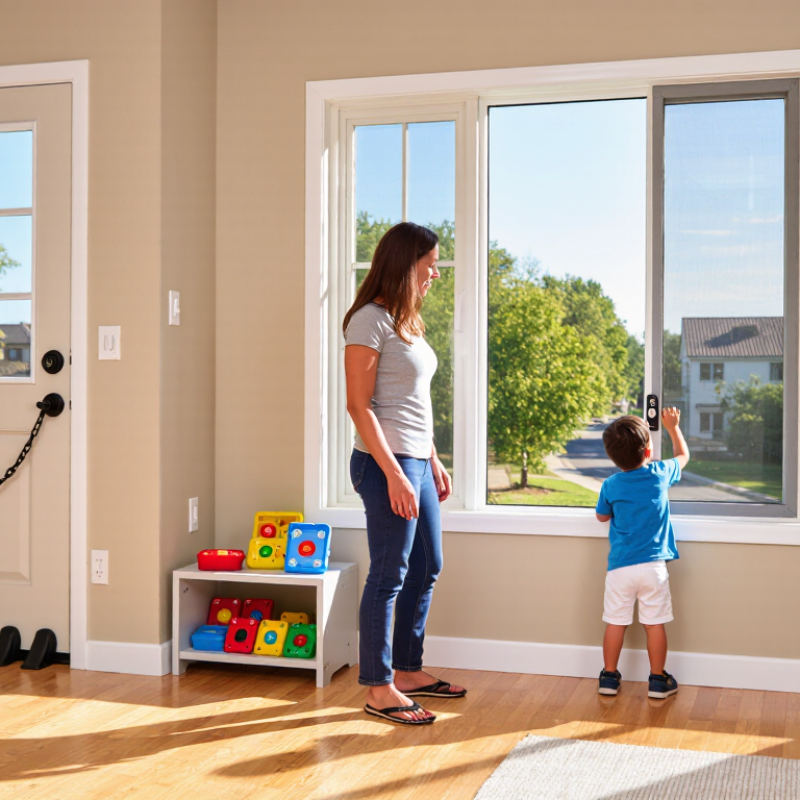
In family homes, door and window hazards often come from ordinary routines. A child may climb a chair beside a window, reach a low handle, or push against a screen that cannot support their weight. Screens keep insects out; they are not fall barriers. Move beds, toy boxes, and lightweight furniture away from windows, especially in children’s rooms. Keep window openings limited with suitable safety devices, while ensuring adults can open them quickly during an emergency.
Doors create different risks. Small fingers can get caught near hinges, and heavy doors may swing shut in a draft. Soft door stops and hinge guards can reduce these hazards, but check that they remain firmly attached and do not obstruct movement. Glass doors are easy to overlook, particularly when sunlight or reflections hide the pane. Visible markings at a child’s eye level can make the glass easier to notice. Look for cracked panes, loose handles, and doors that fail to latch.
A useful check is to walk through the home at a child’s height. What can they reach? What might they climb? Adults can also inspect locks and window controls regularly, since wear and small changes in furniture placement matter. Avoid securing a window so tightly that it becomes difficult to use in an emergency. It is easy to focus on obvious damage and miss a chair moved beside the sill. That happens. Recheck after rearranging a room.
Choosing Child-Safe Locks, Guards, and Window Limiters
A curious child can reach a low latch faster than expected. Choose window locks or limiters that adults can operate quickly but children cannot easily release. A 2011 Pediatrics analysis of U.S. emergency-department data estimated about 5,200 window-fall injuries among children aged 0–17 each year. Screens are not guards. For added protection, use properly installed window guards or opening-control devices, and keep beds, chairs, and toy boxes away from windows.
Tips: Check that locks engage fully, and test them after installation. Set limiters to restrict openings to about four inches where suitable, following the device instructions. Make sure adults can release them quickly for emergency escape. On sliding doors, add a child-resistant lock or a high-mounted secondary latch, while preserving a clear exit. Small details matter.
Walk through each room at a child’s eye level; handles that seem out of reach may be reachable from a sofa. Recheck hardware as children grow, and after repairs or seasonal changes. It is easy to assume one lock solves the problem. It may not: supervision and clear spaces around windows still matter.
2026 Top Door and Window Safety Tips for Families
Creating Safe Habits Around Doors and Windows
Safety grows from small routines, repeated even on busy mornings. Show children how to close doors gently and keep fingers clear of hinges. Before opening a window, check who is nearby and whether the opening is limited. Screens can keep insects out, but they are not strong enough to prevent falls. Small habits matter.
Tips: Keep windows locked when they are not in use, and place climbable furniture away from them. Use window stops where appropriate, while keeping emergency exits usable. Store keys consistently, but out of young children’s reach. At exterior doors, pause before opening to check who is outside. Practice these steps together; a calm rehearsal is easier to remember than a rushed warning.
Walk through your home at a child’s eye level. A low chair beside a window may look harmless until a curious toddler climbs it. Check locks and door latches regularly, especially after repairs or seasonal changes. We sometimes forget a window was left open for fresh air; a quick evening check helps catch it. As children grow, explain the reasons behind each rule and adjust supervision to match their abilities.
2026 Top Door and Window Safety Tips for Families
A dependable safety check starts with the parts people touch every day. Test each door lock, handle, hinge, and window latch by hand. Look for loose screws, cracked frames, peeling weather seals, or gaps that let a closed door move. Open windows slowly and check that they stay in position. A sash that slips down can surprise a child. Small details matter. Check screens, too, but remember that a screen is not a fall-prevention barrier.
Tips: Keep keys and small tools out of children’s reach. Clear toys and furniture away from windows. Replace damaged latch screws with suitable hardware, and avoid forcing stiff locks. Do not force it.
Repeat the inspection every few months and after severe weather or home repairs. A quick check is useful, but it can miss hidden wear; that is worth remembering. Notice rust, unusual scraping, or a lock that needs repeated attempts. Take a close look at the frame around the latch, where looseness may be less obvious. If a door or window still will not secure properly, stop using it as an access point and ask a qualified repair professional to assess it. Keep a simple note of the date and any parts needing attention.
Suggested annual maintenance checks for common household door and window safety features.
Check locks, latches, and window opening limiters monthly; inspect hinges, tracks, and screens quarterly; and review weatherstripping twice a year. These are practical household reminders, not a regulated standard. Follow the instructions for each product and address damaged or poorly working devices promptly.
A family escape plan should work at night, not just on a sunny afternoon. Walk each bedroom’s route to an outside door or window, and check that furniture, curtains, and stored boxes do not block it. Make sure everyone can open the chosen exit from inside without searching for a key. A window that sticks, or a latch a child cannot reach, is not a dependable backup.
Keep home security in the plan. Test locks and window latches regularly, and choose arrangements that secure the home while still allowing a quick exit from inside. If you use window bars or a security device, confirm that adults and older children know how it releases; practice safely, without leaving it disengaged afterward. A small flashlight near the bed can help when the hall is dark. So can a simple floor plan. Try the route with each family member, including younger children, and notice where they hesitate. I once assumed a clear hallway was enough; it wasn’t, because a bedroom door opened into the path. Plans need real-world checks.
| Area | Family Safety Action | Security Consideration | Practical Check |
|---|---|---|---|
| Bedroom windows | Make sure occupants know which windows can serve as emergency exits and how to open them. | Use compatible locks that secure the window while still allowing occupants to open it from inside without a key. | Test operation regularly and keep the route to each designated exit clear. |
| Window opening size | Check whether bedrooms and other required spaces meet the emergency escape and rescue opening rules that apply in your area. | Do not assume that every window qualifies as an emergency exit; requirements can depend on local codes and the building. | Ask your local building department or a qualified professional about applicable requirements. |
| Window bars and grilles | If bars or grilles are installed, ensure any required emergency-release mechanism can be operated from inside. | Never block an exit window with a fixed barrier that occupants cannot release quickly from indoors. | Show every household member how the release works and keep it accessible. |
| Exterior doors | Keep at least one usable exit route from sleeping areas to an exterior door where the home layout allows. | Choose door hardware that supports secure locking while allowing people to leave from inside without a key. | Check that doors open fully and are not blocked by furniture, stored items, or damaged hardware. |
| Keys and access devices | Make sure adults and older children know how to unlock exit doors and operate any safety devices. | Keep keys and access devices in a consistent, reachable place; do not make emergency egress depend on searching for a key. | Include the location and use of locks in family emergency practice. |
| Outdoor exit paths | Plan a clear route from each designated exit to a safe meeting place outside. | Keep paths free of obstacles without leaving exterior doors or windows unsecured when the home is occupied. | Check the route for gates, clutter, snow, or other hazards that could slow an exit. |
| Children and visitors | Explain which exits to use and where everyone should meet outside. Adapt the plan for young children or anyone needing assistance. | Teach safe exit procedures without encouraging children to open doors to unknown visitors. | Practice the plan with household members and review it when the home’s layout or occupants change. |
| Alarms and escape planning | Use working smoke alarms and include them in a home fire escape plan. | Security systems should not prevent occupants from leaving during an emergency; learn how to operate any relevant controls. | Follow alarm manufacturers’ instructions and local fire-safety guidance for testing and maintenance. |
| Regular maintenance | Repair windows and doors that stick, have broken hardware, or are difficult to open. | Maintain locks and latches so they work as intended without adding makeshift barriers to exits. | Recheck operation after repairs, seasonal changes, or installation of new security devices. |
No. Screens keep insects out but cannot support a child’s weight. Keep furniture away from windows.
Install suitable window guards or opening limiters according to their instructions. Keep beds, chairs, and toy boxes away from sills.
Some guidance suggests about four inches where suitable. Follow the device instructions and check that adults can release it quickly.
Make sure it engages fully, then test it. Recheck after repairs, seasonal changes, or a child’s growth. Small details matter.
Hinge guards and soft door stops can help. Check that they stay attached and do not block movement.
Add visible markings around a child’s eye level. Reflections can hide the glass. That detail is easy to miss.
Look for cracked panes, loose handles, faulty latches, and worn locks. Check them regularly.
Walk through each room at child height. Notice reachable handles and climbable chairs. I might miss a chair moved beside the sill, so recheck after rearranging.
Door And Window Safety Tips For Families begin with understanding the risks in everyday spaces. Unsecured doors, accessible windows, damaged locks, and climbable furniture can create hazards, especially for young children. Choose child-safe locks, sturdy guards, and window limiters that suit each opening, while ensuring adults can operate them when needed. Keep cords and furniture away from windows, and teach children not to play with doorways, handles, or window coverings.
Make safety a regular habit by closing and securing doors and windows, supervising children near openings, and checking that safety devices remain firmly installed and work properly. Inspect frames, hinges, locks, screens, and limiters for wear or damage, and repair problems promptly. Families should also plan clear emergency exits: everyone should know how to leave safely, and exit routes should remain accessible without weakening everyday home security. Revisit the plan as children grow and household needs change.
